In a move that many analysts interpret as strategic damage control, Mustafa Suleyman, the head of Microsoft AI, has significantly walked back recent comments regarding the future of work. During an interview on The Verge’s “Decoder” podcast, Suleyman attempted to redefine his stance, arguing that AI is not intended to replace white-collar workers but rather to help them complete their tasks more efficiently.
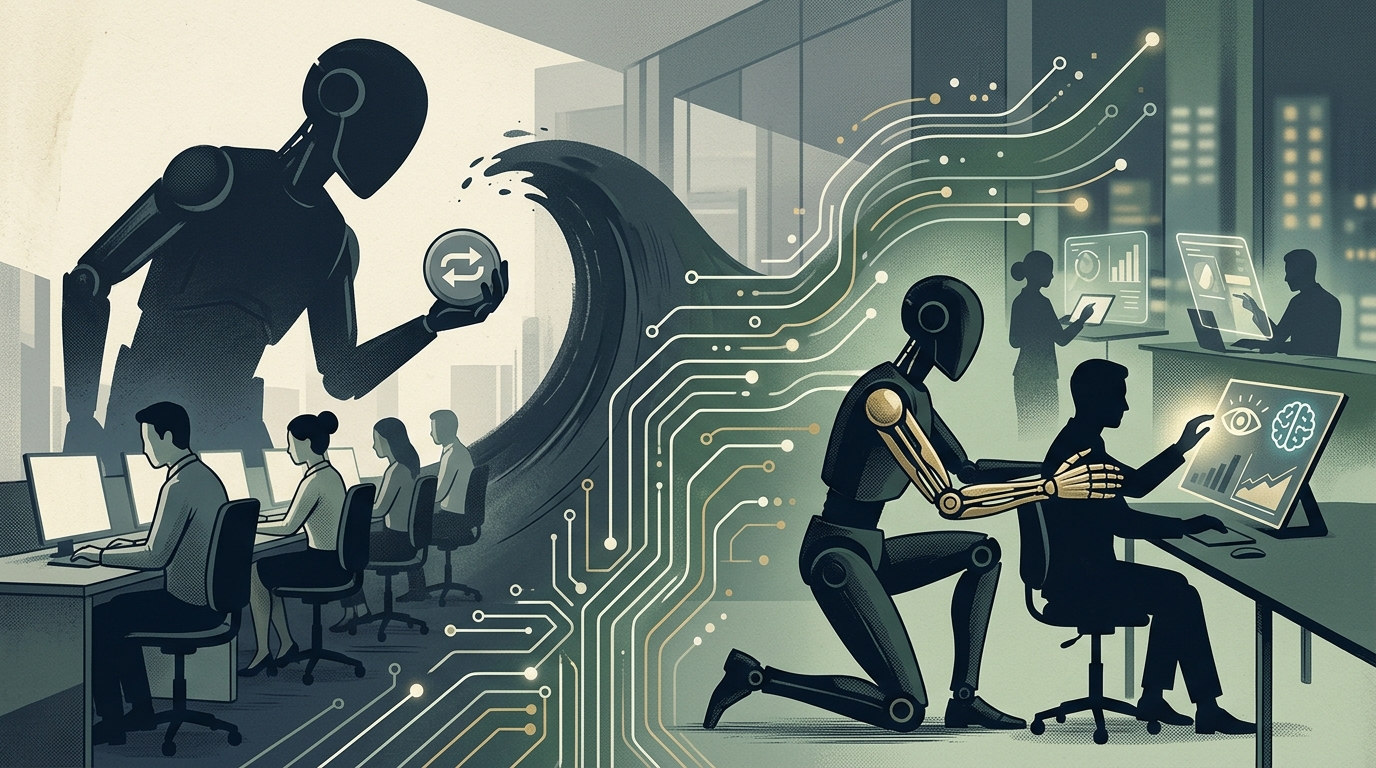
Suleyman’s original remarks had sent shockwaves through sectors such as law, accounting, and project management. He had previously suggested that the ability of Large Language Models (LLMs) to process vast amounts of data and generate complex documents could make many traditional roles redundant. However, his new rhetoric focuses on the concept of the “Copilot”—a digital assistant that handles the “drudgery” of work, leaving strategic control in human hands.
The Fine Line Between Automation and Augmentation
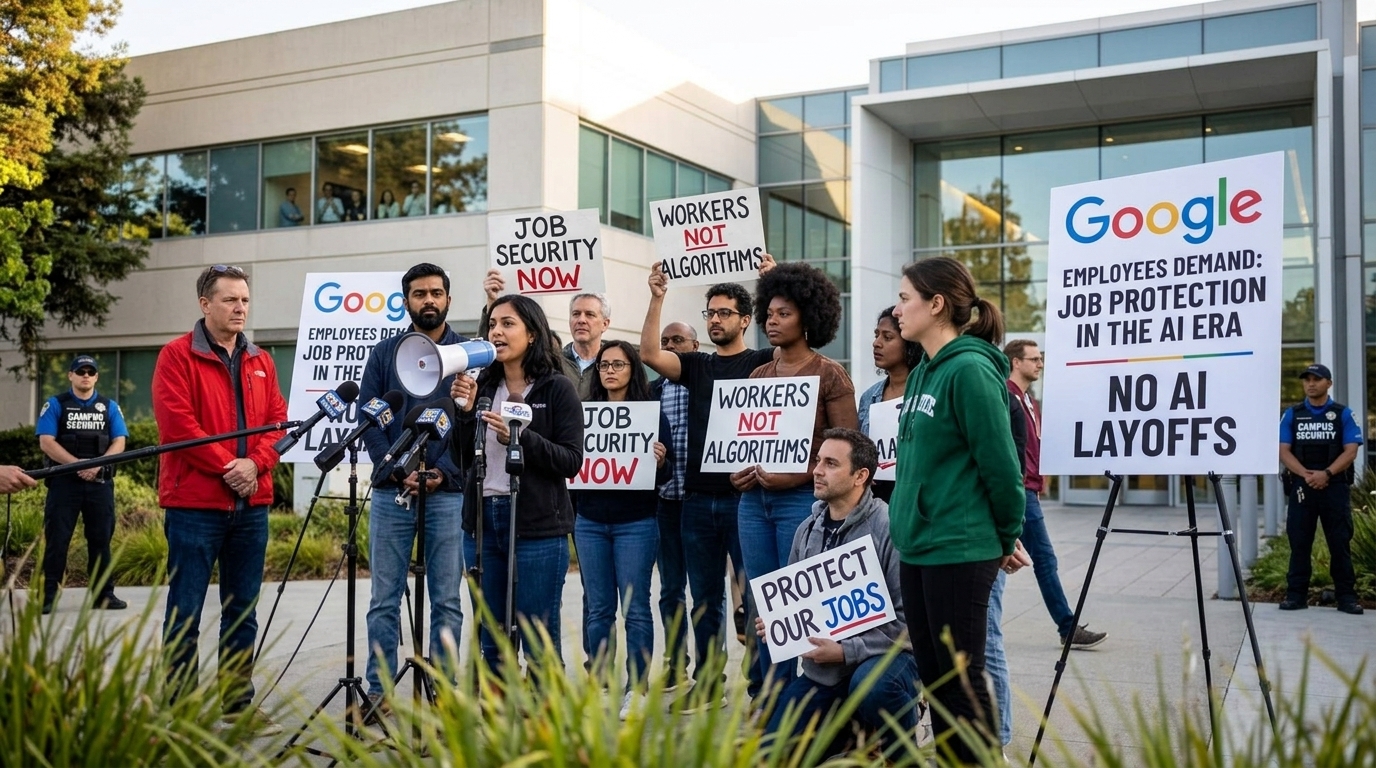
Suleyman’s pivot is no coincidence. As Microsoft invests billions into integrating AI across its product suite—from Office and Azure to Windows—the company faces a paradox: it must convince enterprises that AI is a revolutionary productivity booster without terrifying the very workforce expected to use these tools. If employees perceive AI as an existential threat to their livelihoods, adoption will face fierce internal resistance and potential labor unrest.
Suleyman now argues that AI will act as a “force multiplier.” For a lawyer, this means AI can review 1,000 contracts in seconds, but the final judgment and ethical responsibility remain with the human professional. “It’s not about replacing the accountant; it’s about freeing them from data entry so they can focus on high-level advisory,” he noted. Nevertheless, the history of technology teaches us that when productivity increases exponentially, the demand for the same number of workers often diminishes, leading to structural shifts in the labor market.
Political and Social Pressure on Tech Giants
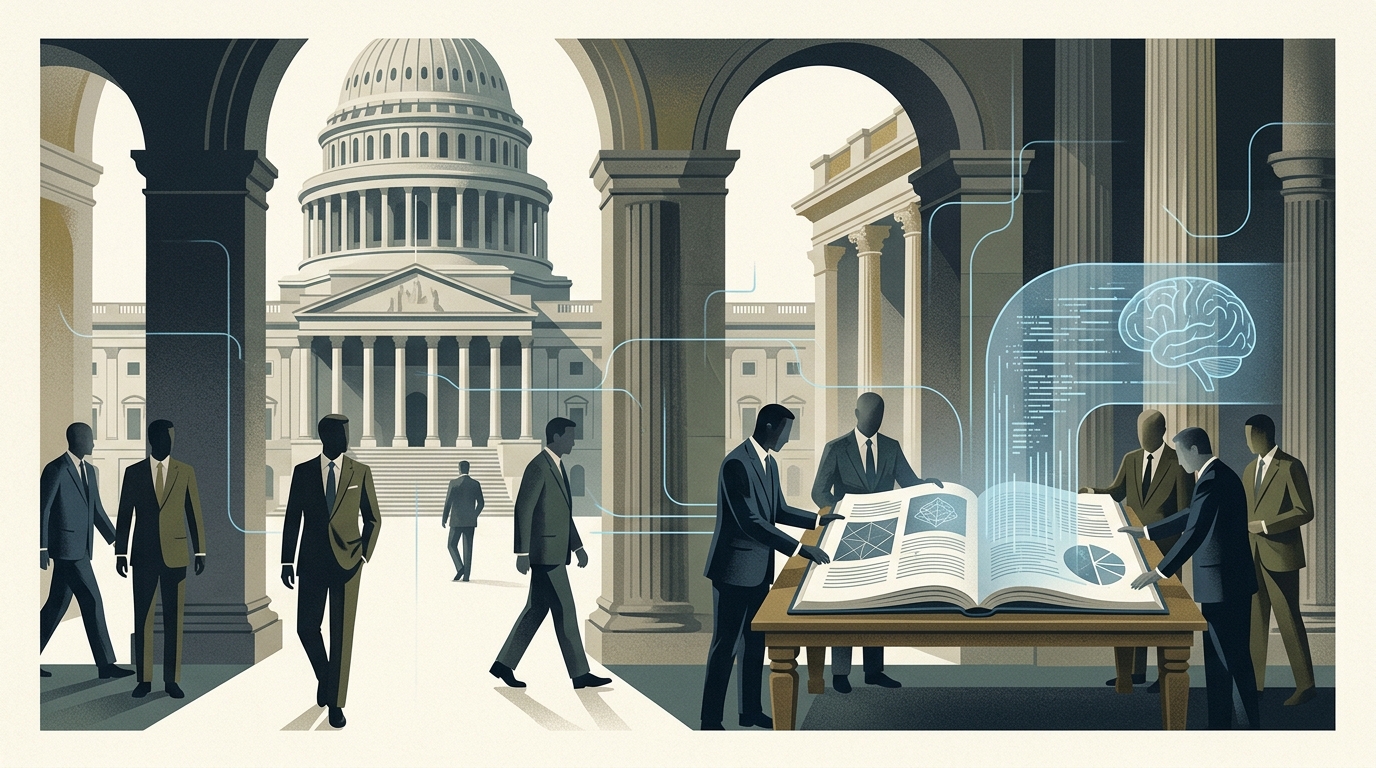
This retreat comes at a time when regulators in the US and the EU are closely scrutinizing the impact of AI on the labor market. Microsoft, as a frontrunner in the space, is wary of becoming the face of “technological unemployment,” which could invite stricter regulations or even “robot taxes.” The narrative of “augmentation” rather than “replacement” has become the official dogma of Silicon Valley, designed to soothe both the public and policymakers.
However, critics point out that this distinction is often artificial. In a market economy, if a task that once required ten people can now be performed by two people assisted by AI, the remaining eight face immediate displacement. Suleyman, while technically brilliant, appears to be downplaying the secondary economic consequences that his own technology is accelerating. The challenge for society is not just the technological leap itself, but the equitable distribution of the gains resulting from this surge in productivity.
The Future of Work and Leadership Responsibility
The lingering question is whether Microsoft and other AI titans can guarantee a smooth transition for the global workforce. Suleyman emphasized the need for retraining and upskilling, but the pace of AI evolution is far outstripping the speed at which educational systems can adapt. Mid-career professionals in administrative and analytical roles find themselves in the eye of the storm, facing a reality where their specialized skills are being commoditized by algorithms.
In conclusion, Suleyman’s clarification suggests that the AI industry is beginning to grasp the weight of its social responsibility—or at least the scale of the risk from public backlash. AI will change the nature of white-collar work irrevocably. Whether this change represents a liberation from routine or a mass displacement from the workforce will depend less on the algorithms themselves and more on the political and corporate decisions made in the coming years.