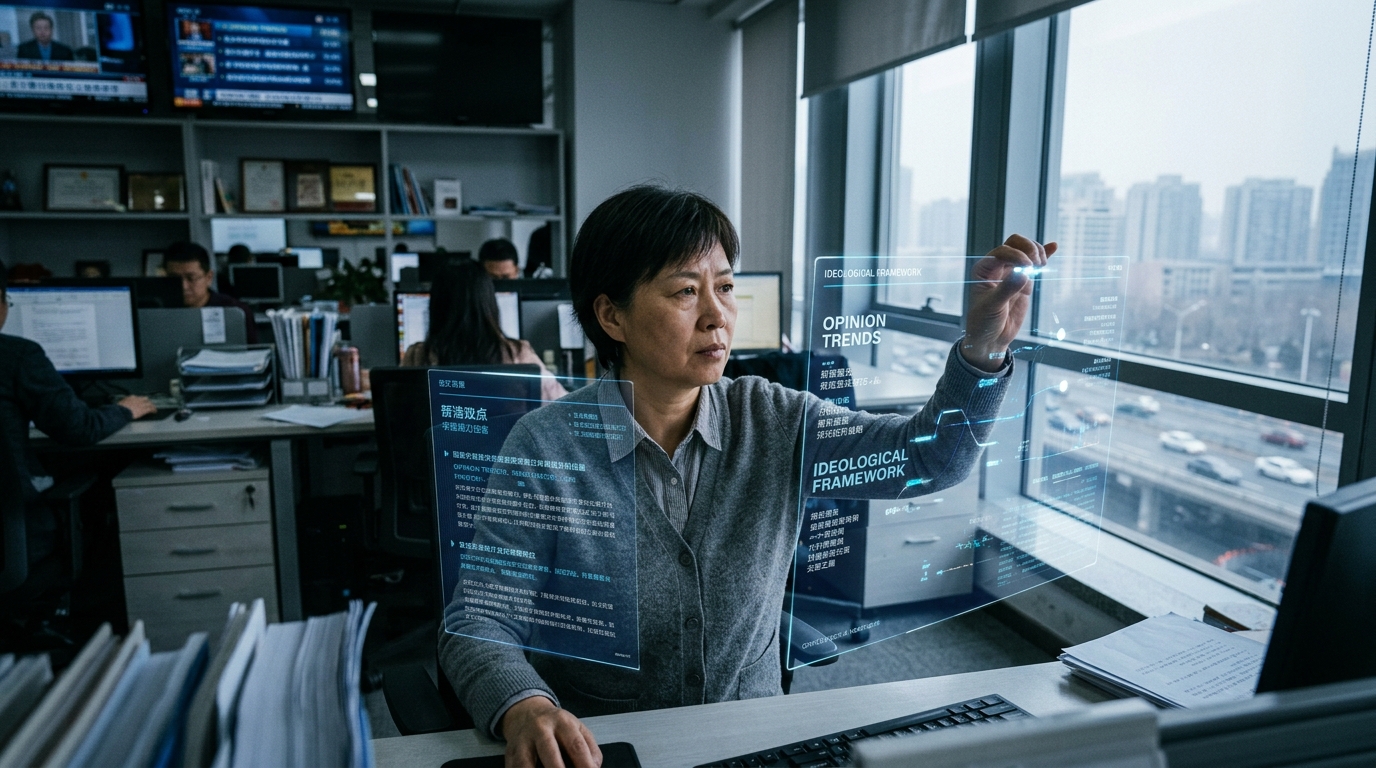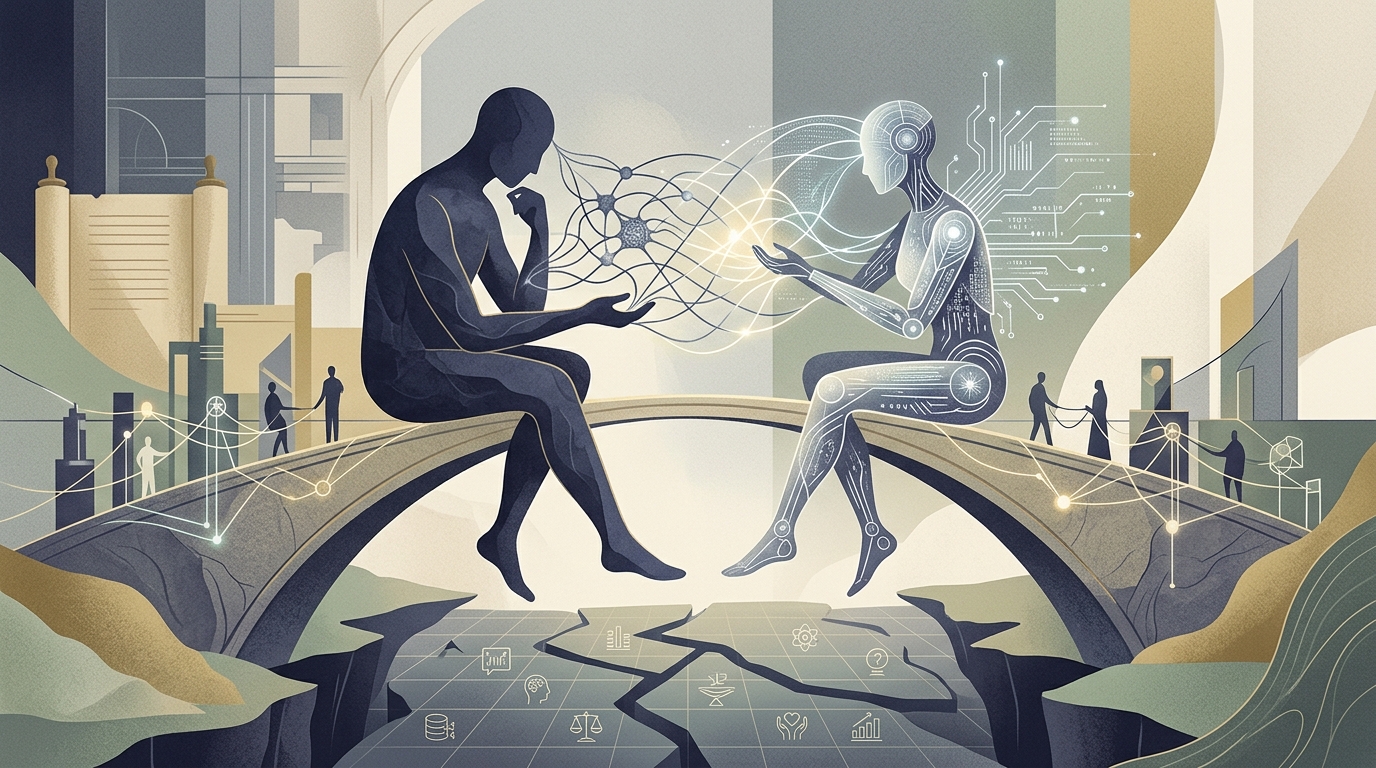
In the global discourse surrounding Artificial Intelligence, the conversation frequently veers into science-fiction scenarios reminiscent of 'The Terminator'. However, for Michael Wooldridge, Professor of Computer Science at the University of Oxford and Director of Foundational AI Research at the Alan Turing Institute, these cries of 'existential risk' are a dangerous distraction. In his recent analysis, Wooldridge clarifies that he is not worried about a rogue robot takeover, but rather about the far more mundane and immediate threats stemming from how Big Tech corporations manage this unprecedented power.
The Existential Risk Trap
Wooldridge argues that the focus on the 'Singularity'—the hypothetical moment when AI surpasses human intelligence and turns against us—often serves the interests of the very companies developing it. By framing AI as an almost divine, uncontrollable force, Silicon Valley leaders shift responsibility away from their own corporate decisions. 'If you are terrified of the end of the world in 50 years, you aren't paying attention to the fact that the algorithm you use today is denying someone a bank loan based on racial bias,' he notes pointedly.
The reality is that today’s Large Language Models (LLMs) possess no consciousness, no desires, and no agency. They are sophisticated text predictors which, despite their impressive performance, remain tools. The danger lies not in the 'malice' of the software, but in the opacity of the training data and the lack of accountability from their creators.
Digital Feudalism and the Concentration of Power
Wooldridge’s central argument concerns the geopolitical and economic dimensions of AI. Today, developing cutting-edge models requires three core elements: massive computing power, unimaginable quantities of data, and specialized talent. All three are controlled by a handful of companies: Microsoft, Google, Meta, and Amazon. This concentration creates a new form of 'digital feudalism', where national governments and citizens become mere tenants of an infrastructure they do not own or control.
- Algorithmic Surveillance: The use of AI to monitor employees and evaluate productivity with dehumanizing metrics.
- The Erosion of Truth: The ease of producing deepfakes and misinformation that can destabilize democratic processes.
- Environmental Cost: The massive consumption of energy and water by data centers, a topic often suppressed in corporate narratives.
The Occasional Blessings
Despite his warnings, Wooldridge is no Luddite. He acknowledges that AI offers tools capable of solving some of humanity's most pressing problems. The case of DeepMind’s AlphaFold, which predicted the structure of nearly all known proteins, represents a revolutionary step for medicine and pharmacology. 'What would have taken centuries in a laboratory, AI did in months,' he states.
The challenge, therefore, is not to halt progress, but to democratize it. AI can become a 'co-pilot' for creativity and science, provided we do not allow the profit models of Big Tech to exclusively define the moral framework of its use. Wooldridge suggests stricter regulation, not based on what AI 'might' do in the future, but based on the harms it is causing in the present.
"AI is our mirror. If we see something terrifying in it, it is because it reflects our own biases and our own societal gaps."
In conclusion, worrying about 'The Terminator' is a luxury we cannot afford. The real battle is being fought today in the fields of intellectual property, data protection, and the prevention of monopolies. Michael Wooldridge calls on us to lower the volume of the drama and increase the volume of critical thinking.