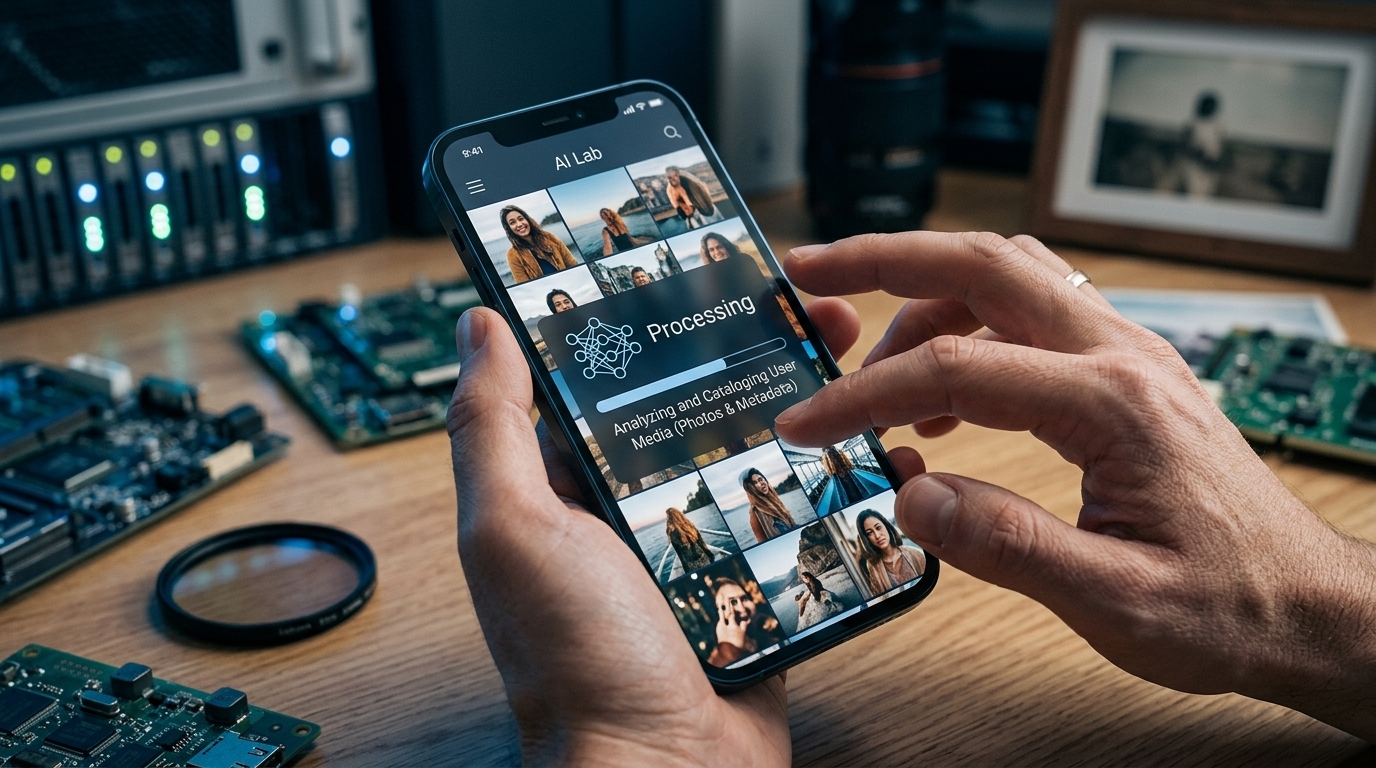
The era when social networks functioned as simple digital scrapbooks is coming to an end, as Meta—the parent company of Facebook and Instagram—shifts its focus toward aggressive AI development. With the rollout of its new image generation model, "Muse," the company announced it would use content from public accounts to train its algorithms. The catch? The process doesn't rely on explicit user consent (opt-in) but requires users to manually find and disable the setting (opt-out).
The Opt-Out Trap and Digital Consent
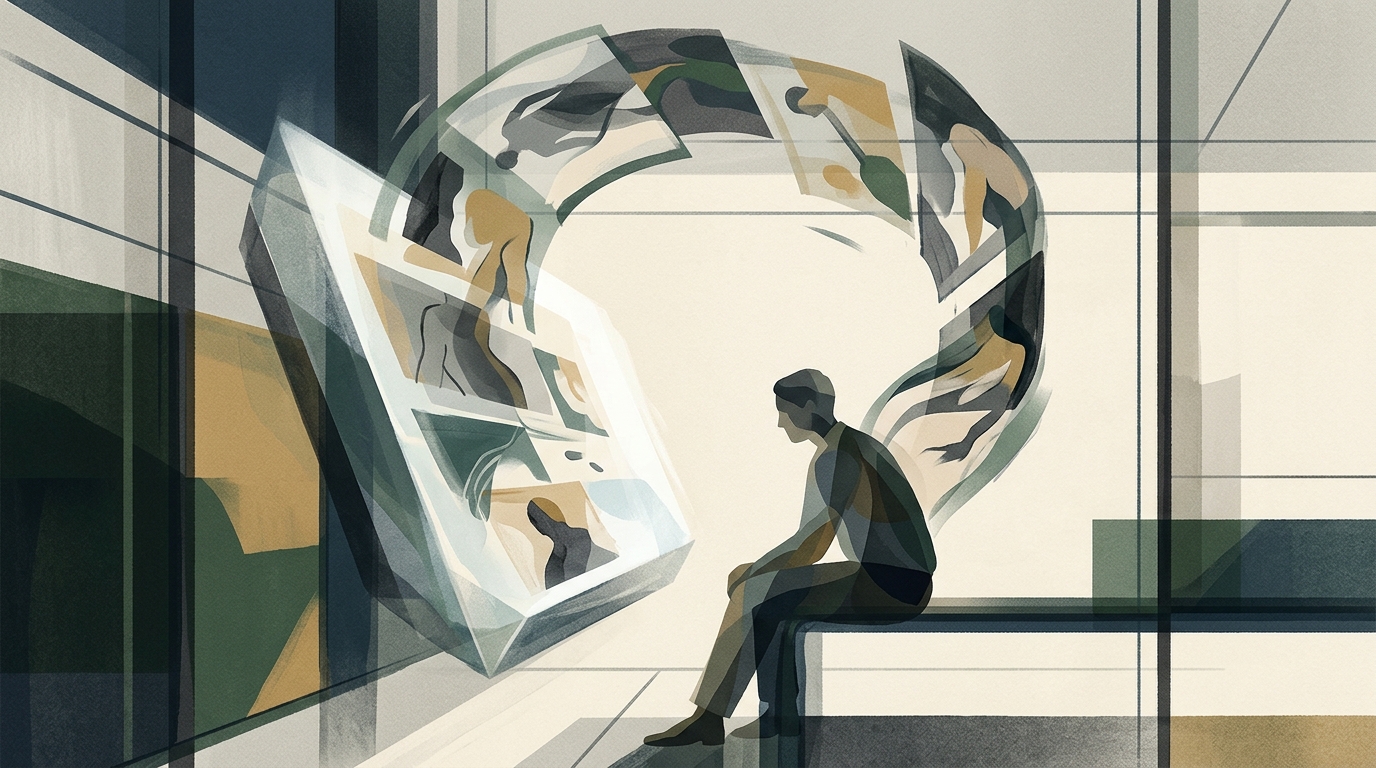
Meta's strategy is not unprecedented in the tech world, but its scale is staggering. Billions of photos, ranging from landscapes and meals to intimate personal moments and artistic creations, are now the "dataset" for Muse. According to the company, this is necessary to remain competitive against giants like OpenAI and Midjourney. However, the choice to make data usage the default setting raises serious ethical questions.
- Users are often inadequately informed about changes to terms of service.
- The opt-out process is frequently hidden within labyrinthine settings menus.
- The "public" nature of an account does not necessarily imply a user's desire for their face to become part of a commercial AI generator.
This approach undermines the concept of digital sovereignty. Instead of the user having control over their data, Meta is appropriating the intellectual and personal property of billions, turning their daily lives into a commodified product.
Muse: The New Weapon on the AI Chessboard
The Muse model promises to revolutionize the way we create content, allowing users to generate high-quality images through simple text descriptions. The irony is palpable: the tool that will allow someone to create an image of "a sunset in Santorini" will likely have been trained on your own photos from last summer's vacation. Meta argues that using public data is legal and necessary to improve the accuracy and diversity of the results.
"We don't train our models on private messages or content from private accounts," the company states in an attempt to alleviate concerns.
However, the distinction between "public" and "available for exploitation" is blurred. For many artists and photographers who use Instagram as a professional portfolio, this move represents a direct threat to their livelihood, as AI will soon be able to mimic their style using their own works.
The Regulatory Divide: EU vs. US
Once again, geography determines digital rights. Thanks to the General Data Protection Regulation (GDPR), users in the European Union enjoy—theoretically—greater protection. Meta has already faced hurdles from European regulators, who demand clearer consent procedures. In the United States and other regions, however, the landscape remains a "Wild West," with companies free to experiment with user data until legal intervention occurs.
The End of Social Networking as We Knew It?
This evolution may lead to a mass exodus toward privacy. If the price of participating in Instagram is surrendering one's visual identity to an impersonal AI, many users may lock their profiles or abandon the platform altogether. Meta is betting that the convenience of AI will outweigh the fear of privacy loss. But in a world where deepfakes and misinformation are rampant, using real photos to train AI models feels like opening Pandora's box. The responsibility now lies with the user: either learn to navigate the dark menus of settings or accept the role of an anonymous pixel in a giant digital mural that they do not own.