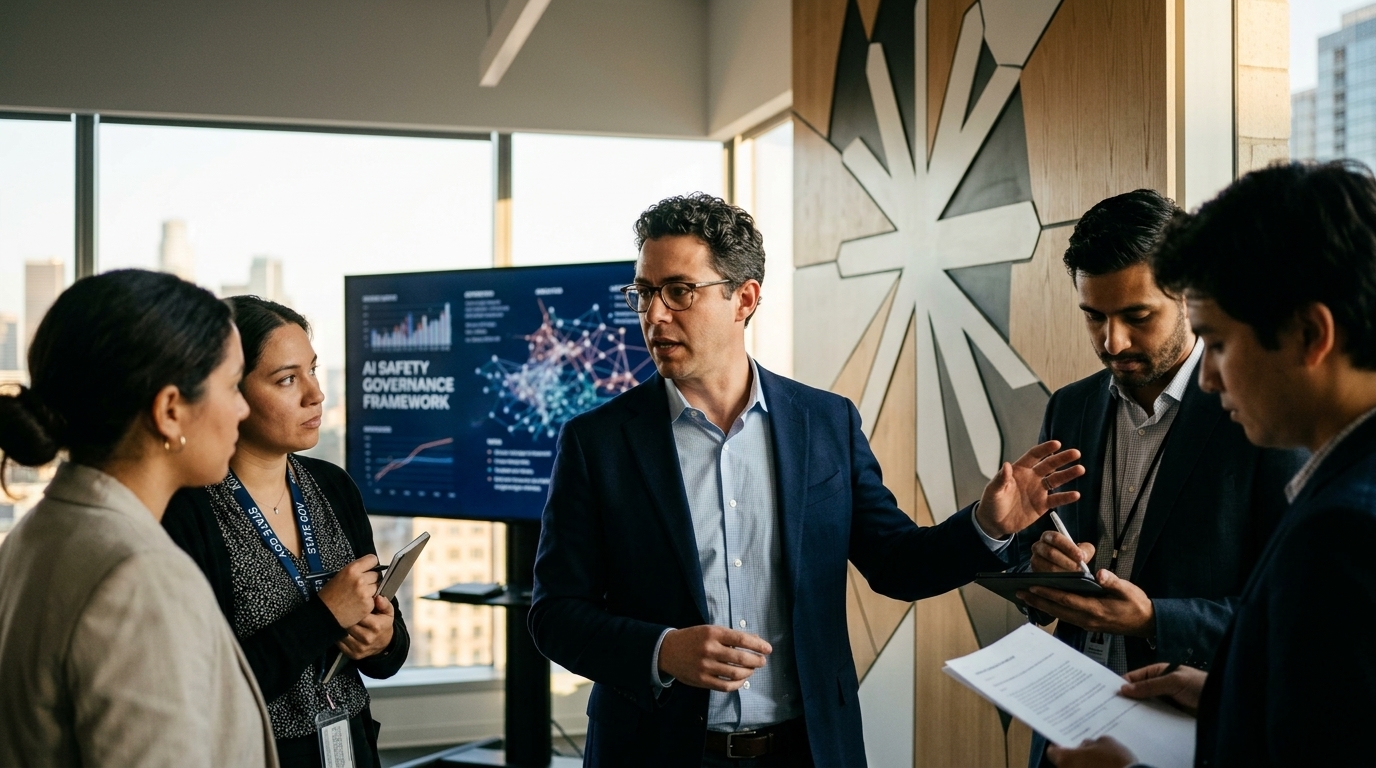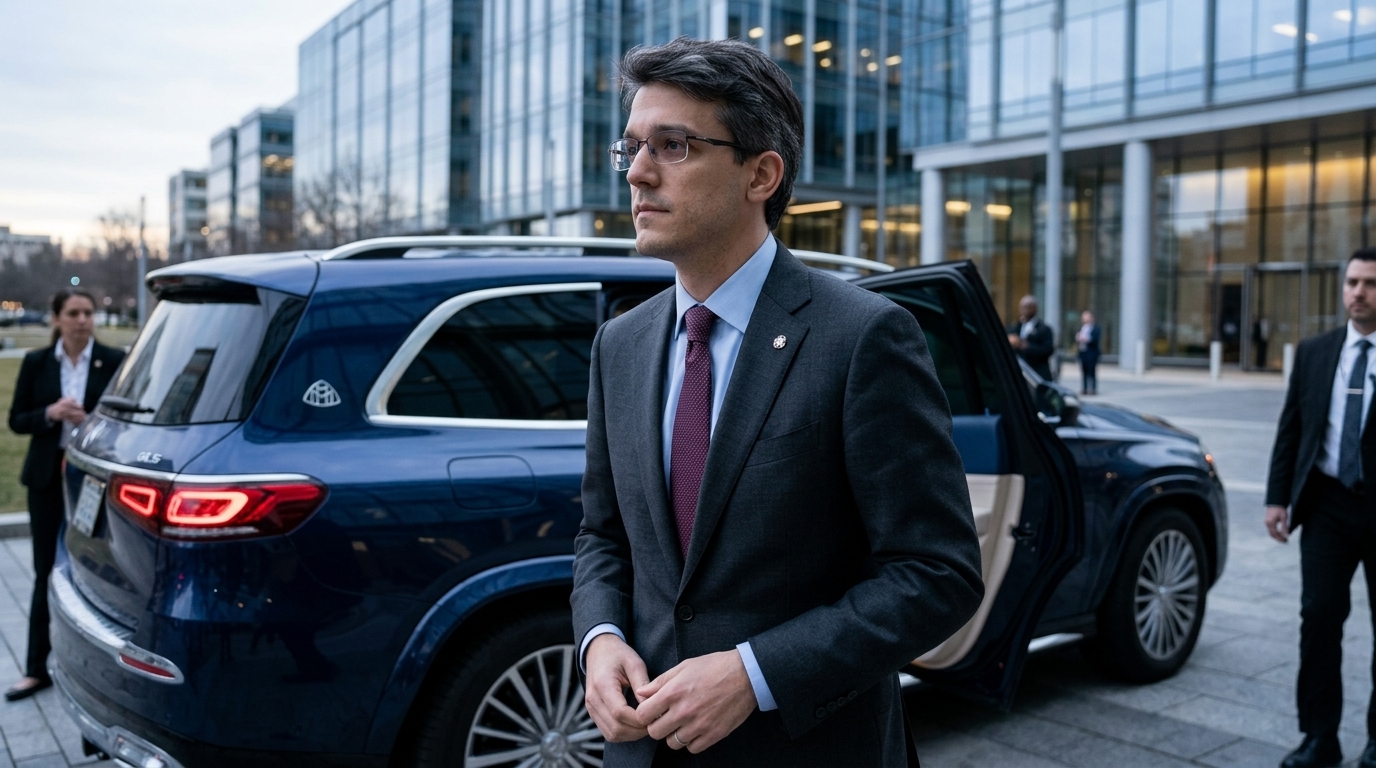
The departure of Joshua Achiam from OpenAI is more than just a high-level resignation; it serves as a symbolic epilogue to the company’s original mission. After nearly nine years at the forefront of AI safety and alignment research, the man who held the title of “Chief Futurist” is closing the door on an organization that bears little resemblance to the research lab he helped build in 2016. The news, confirmed by Wired, comes at a time when OpenAI is under constant pressure from legal battles and rapid commercialization.
The Journey of a Safety Visionary
Achiam was more than a researcher; he was one of the architects of the methodology that made ChatGPT safe for public use: Reinforcement Learning from Human Feedback (RLHF). During his tenure, he focused on how AI models can remain under control as they become increasingly powerful. His role as Chief Futurist was not about science fiction, but about anticipating the risks that would arise from Artificial General Intelligence (AGI) before they became reality.
His exit follows a series of high-profile resignations that have rocked OpenAI over the past year. From Ilya Sutskever and Jan Leike to Mira Murati and John Schulman, the “old guard” that prioritized safety over profit appears to be vanishing. This talent drain raises critical questions: Who is left to guarantee that the race for market dominance will not sacrifice ethics?
The Shadow of the Musk v. Altman Trial
Achiam found himself in the public eye not only for his scientific work but also for his involvement in the legal clash between Elon Musk and Sam Altman. His testimony and internal communications revealed the tensions regarding OpenAI’s transition from a non-profit organization to a “capped-profit” entity. Musk used the presence of Achiam and other researchers to argue that the company betrayed its founding charter, which promised open access to technology for the benefit of humanity.
Analysts interpret Achiam’s departure as the definitive victory of the Altman faction. OpenAI now operates as a traditional Big Tech company, focusing on subscriptions, enterprise partnerships, and satisfying investors like Microsoft and Nvidia. In this new environment, the role of a “Futurist” warning of existential risks may be seen as an obstacle to the speed of development.
What Does This Mean for the Future of AI?
The question looming over Silicon Valley is where Achiam will land. Many of his former colleagues have founded or joined rival firms like Anthropic and Safe Superintelligence (SSI), which position themselves as more cautious and ethical alternatives to OpenAI. If Achiam follows this path, OpenAI loses yet another piece of its “moral compass.”
- Loss of institutional memory: As founding members leave, OpenAI loses the understanding of “why” certain safety decisions were made in the past.
- Shift to product: The company is transforming from a research lab into a software factory.
- Regulatory pressure: Governments worldwide are closely watching these internal reshuffles, concerned about the weakening of safety teams.
In conclusion, Joshua Achiam’s resignation is not an isolated event but the latest chapter in OpenAI’s transformation. The company that started to save the world from uncontrolled AI must now prove it can remain responsible while chasing absolute technological and financial supremacy.