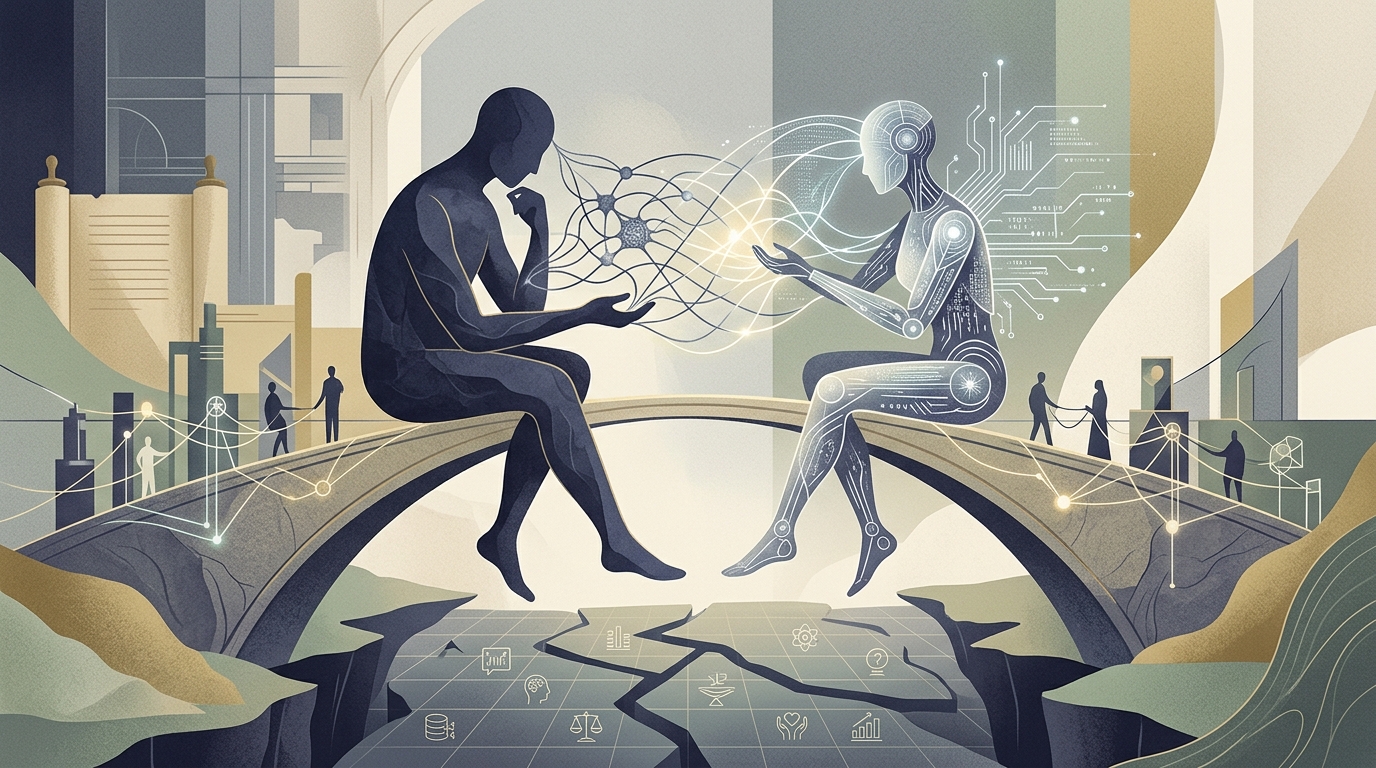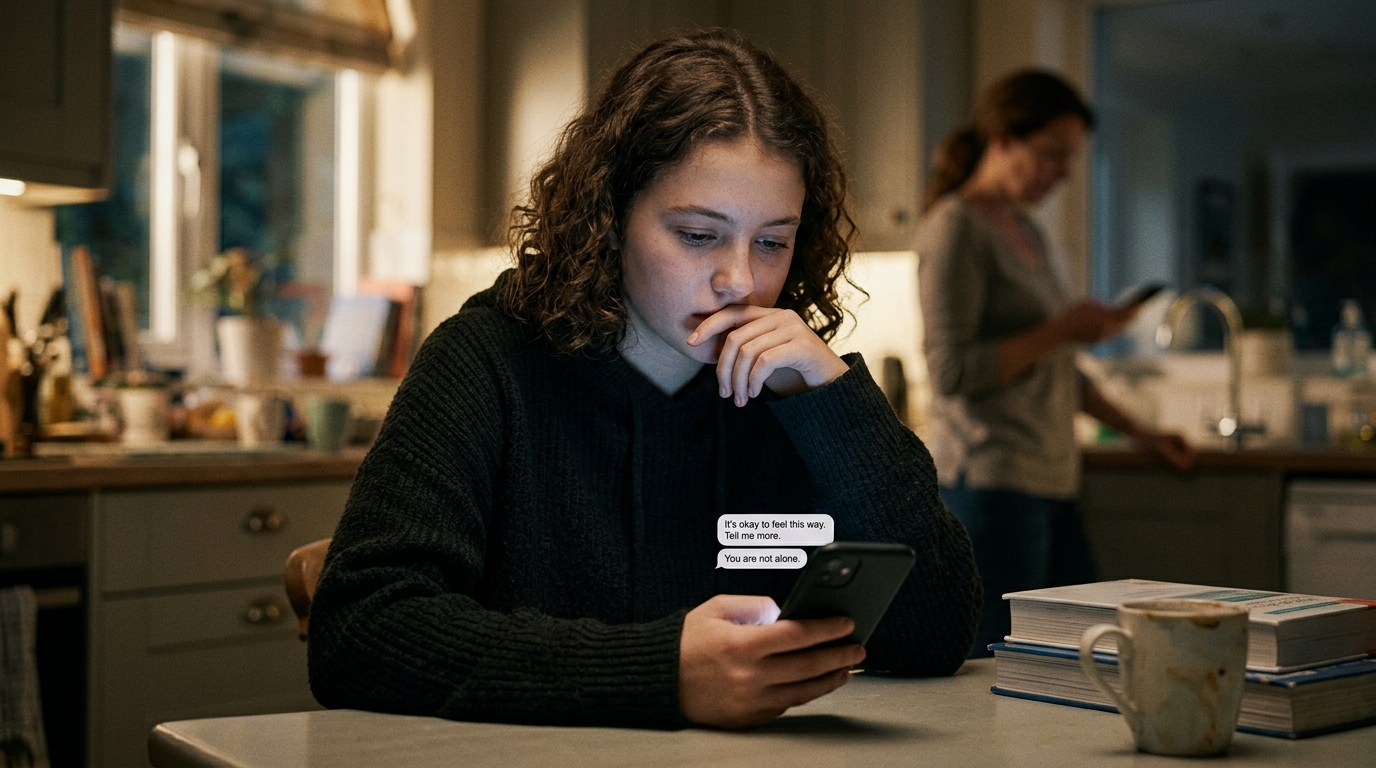
In a world grappling with an escalating mental health crisis, a new and unexpected trend is surfacing on the screens of teenagers worldwide. As May marks Mental Health Awareness Month, experts are sounding the alarm on a phenomenon that is fundamentally reshaping the landscape of psychological support: the mass migration of youth toward Artificial Intelligence (AI) tools to manage anxiety, depression, and loneliness.
The Digital Confessor: The Allure of Anonymity
Why would a teenager choose to speak to an algorithm instead of a trained professional or a parent? The answer lies in accessibility and the perceived absence of judgment. Platforms like Character.ai, ChatGPT, and specialized bots like Woebot offer an illusion of safety. For a generation raised with a smartphone in hand, interacting via text is often less intimidating than the raw vulnerability of eye contact with a human.
- 24/7 Availability: A panic attack doesn't follow a therapist's 9-to-5 schedule.
- Zero Cost: In a healthcare system where therapy is often a luxury, AI is free.
- No Stigma: A chatbot won't judge, won't be shocked, and won't (theoretically) tell your parents.
However, this convenience comes with a steep price. Experts emphasize that AI does not possess "empathy," but rather "simulated sympathy." These are mathematical models predicting the next likely word, not entities capable of truly understanding human suffering.
Ethical Minefields and the Illusion of Connection
The core issue lies in the safety and accuracy of the advice provided. Despite corporate disclaimers, teenagers often develop parasocial relationships with these models. The tragic case of a user in Belgium who took his own life after being encouraged by a chatbot remains a grim reminder of the technology's current limitations.
"Artificial Intelligence can be an excellent mirror to reflect your thoughts, but it cannot be the hand that pulls you out of the darkness," says Dr. Sarah Jenkins, an adolescent psychologist.
Furthermore, the issue of data privacy remains critical. A teenager’s most intimate thoughts become training data for Large Language Models (LLMs). Who guarantees that this information won't be used for targeted advertising in the future, or that it won't be leaked in a cyberattack? Traditional therapy is built on the foundation of confidentiality; using free AI tools turns the user's pain into a product.
The Structural Gap: When the System Fails
The pivot to AI is not merely a technological choice; it is a symptom of a failing healthcare infrastructure. With waiting lists for public mental health services stretching for months and private sessions costing a fortune, youth are turning to the only solution that answers them immediately. Governments and educational institutions must recognize that technology is filling a void they left wide open.
The solution is not prohibition, but regulation and education. We need "hybrid models" where AI serves as a triage tool or support between sessions, always under human supervision. Mental health is a human right, not an algorithmic optimization problem.