In one of the most significant pivots in modern cinematic history, Martin Scorsese—the man who has long personified the sanctity of celluloid and stood as the fiercest critic of the “theme park” industrialization of film—is embracing Artificial Intelligence. As reported by The New York Times, this isn't merely a technical update to his workflow; it is a profound philosophical evolution from a director widely regarded as the guardian of cinema's soul.
From 'The Irishman' to the AI Frontier
Scorsese’s dalliance with cutting-edge tech began in earnest with *The Irishman* (2019). The film’s extensive use of de-aging technology allowed Robert De Niro and Al Pacino to portray their characters across several decades. At the time, Scorsese expressed a cautious skepticism, emphasizing that technology must remain a servant to the performance, never its replacement. By June 2026, that caution has transformed into a sophisticated partnership. Scorsese no longer views AI as a threat to the actor's craft, but as a medium that can unlock unprecedented narrative depth.
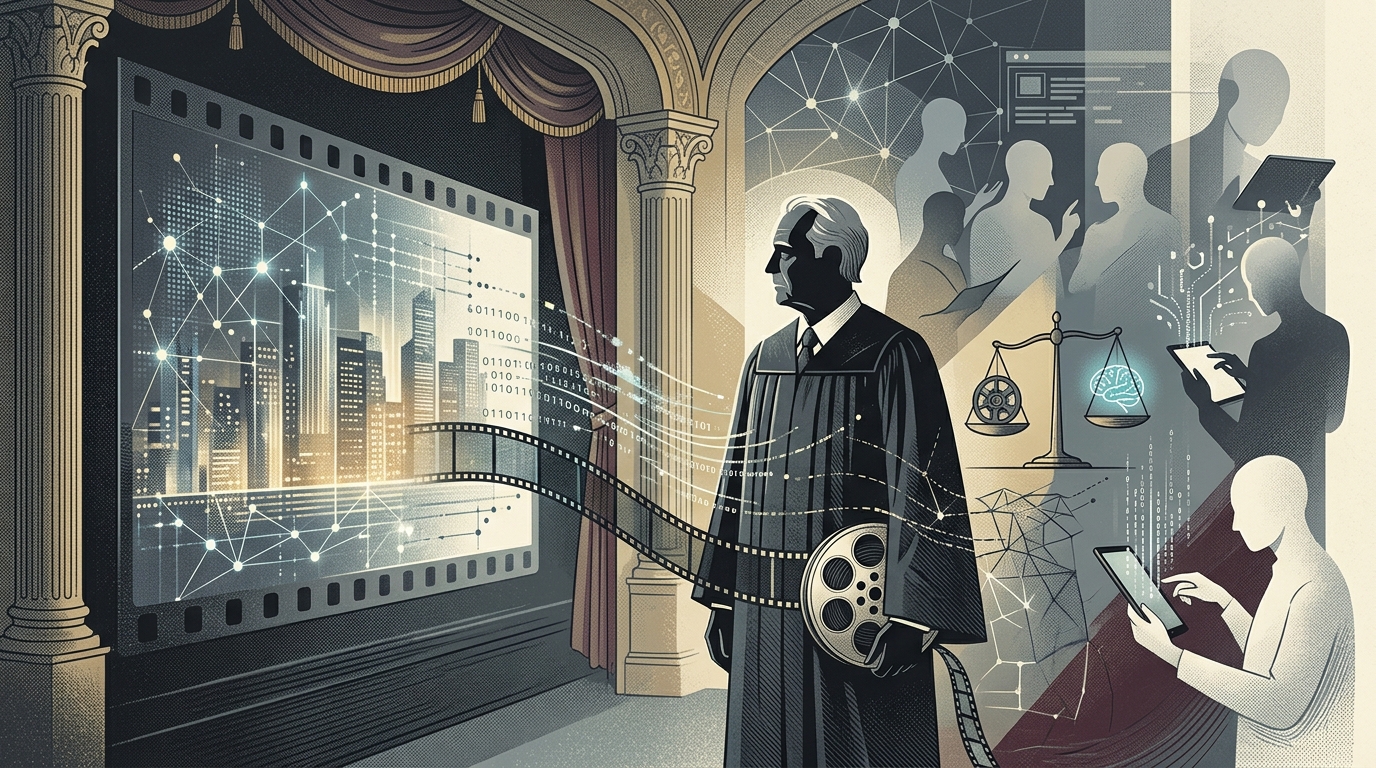
Reports suggest Scorsese is now integrating generative AI tools into his pre-visualization and restoration processes. His collaboration with major tech firms focuses on creating a "digital neural archive" capable of reconstructing lost or damaged frames from classic films with a level of historical accuracy previously deemed impossible. This ethical application of AI—using the future to save the past—is the cornerstone of his new manifesto.
The Ethics of the 'Augmented' Image
The core of the Scorsese debate is ethical. How does a filmmaker obsessed with authenticity reconcile with algorithms that generate imagery from data points? Scorsese’s answer lies in the concept of authorship. To him, AI is an "intelligent brush." Just as the transition from silent film to talkies, or black-and-white to color, was met with existential dread, he views AI as the next inevitable evolutionary step—provided it remains under the director's thumb.
- Protecting the digital likeness and legacy of actors from unauthorized replication.
- Maintaining the "human imperfection" that gives a scene its emotional resonance.
- Preventing the homogenization of cinema by algorithms designed solely for engagement metrics.
Scorsese warns that if AI is left to the "accountants" of the studio system, it will signal the death of cinema. However, if wielded by the artists themselves, it could spark a new Renaissance. He advocates for a "transparent aesthetic," where the audience is not deceived but rather invited into a world where the boundaries of reality are artistically expanded.
Preserving the Collective Memory
Beyond new productions, Scorsese’s most impactful use of AI is through The Film Foundation. The organization is now utilizing neural networks to meticulously clean noise, scratches, and chemical decay from 35mm prints. These AI models are trained on the specific visual styles of legendary cinematographers, ensuring that the restoration doesn't just look "new," but looks exactly as the original creator intended.
“Technology is not the enemy. The lack of vision is the enemy,” Scorsese remarked at a recent symposium at Lincoln Center.
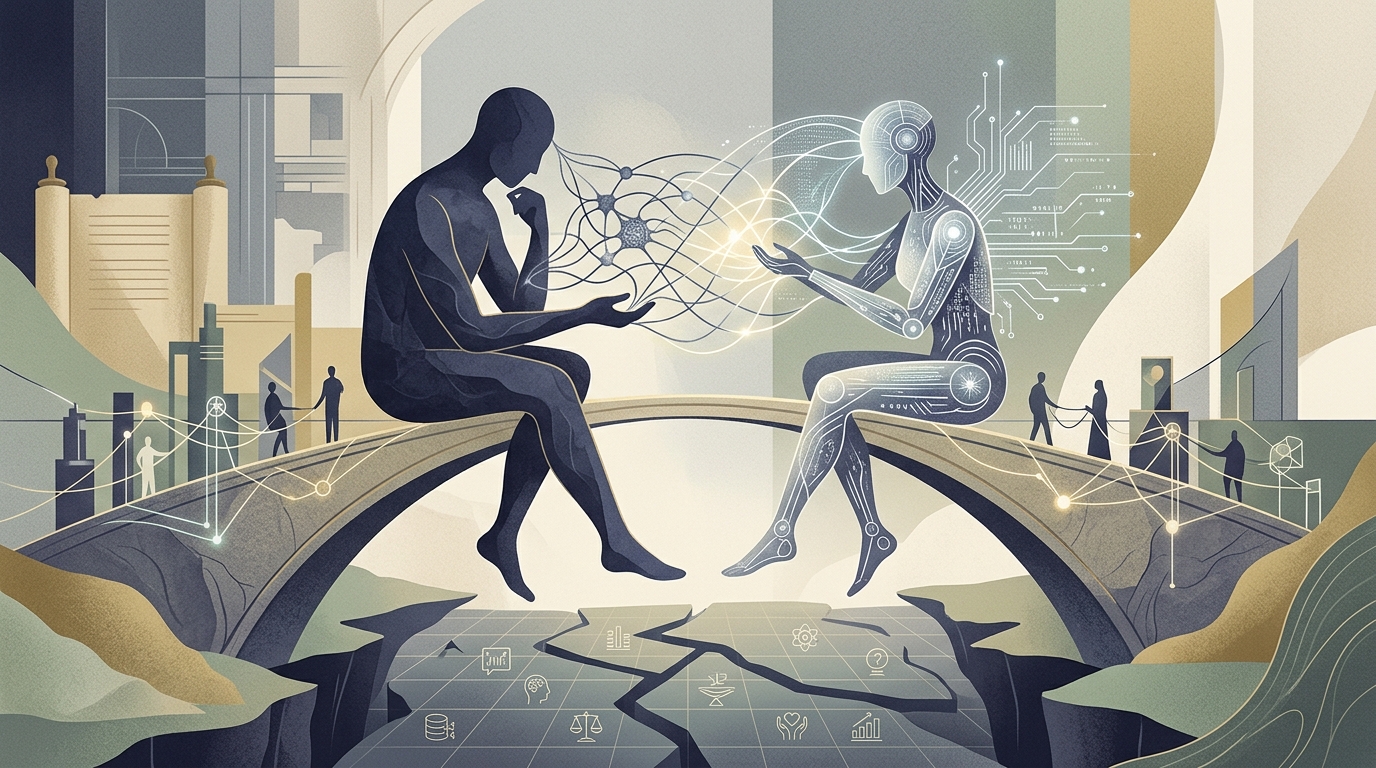
This sentiment reflects his belief that cinema is a living organism. By embracing AI, a figure of Scorsese's stature provides a framework for other directors to experiment without the stigma of "selling out." He is bridging the gap between the traditionalists and the technologists, insisting that the algorithm must be taught to value art as much as it values efficiency.
Conclusion: A New Cinematic Canon?
Martin Scorsese’s embrace of AI is a watershed moment. It is not a surrender to the machines, but a strategic alliance. In an era where content is often mass-produced and devoid of spirit, Scorsese is attempting to infuse the digital frontier with the humanity and historical weight that defines his work. The stakes are immense: can AI facilitate the birth of a new *Citizen Kane*, or will it merely serve to slash production budgets at the expense of artistic integrity? For Scorsese, the answer remains where it has always been—in the hands of the storyteller.