In an era where Artificial Intelligence (AI) is reshaping the global economic landscape with a velocity reminiscent of the Industrial Revolution, Jensen Huang, the visionary leader of NVIDIA, has issued a statement that is set to resonate deeply within corporate boardrooms and employee breakrooms alike. According to Huang, the fear that AI will cause mass unemployment is partially misplaced. The real threat, he argues, is not the technology itself, but the lack of skills required to utilize it.
The Paradigm Shift: From Knowledge to Application
Huang, who leads the company at the epicenter of the AI boom through its specialized GPUs, suggests we are witnessing a new social contract of labor. "AI won't take your job," he famously noted, "but someone who knows how to use AI will." This perspective shifts the burden of responsibility from technological progress to individual and collective adaptability.
Historically, every major technological wave—from the steam engine to the personal computer—has triggered fears of widespread job loss. Yet, in practice, these technologies created entirely new categories of employment that were previously unimaginable. The difference today is the speed of transition. While previous revolutions allowed for generational adaptation, AI demands changes within years, if not months.
The Digital Divide and Corporate Responsibility
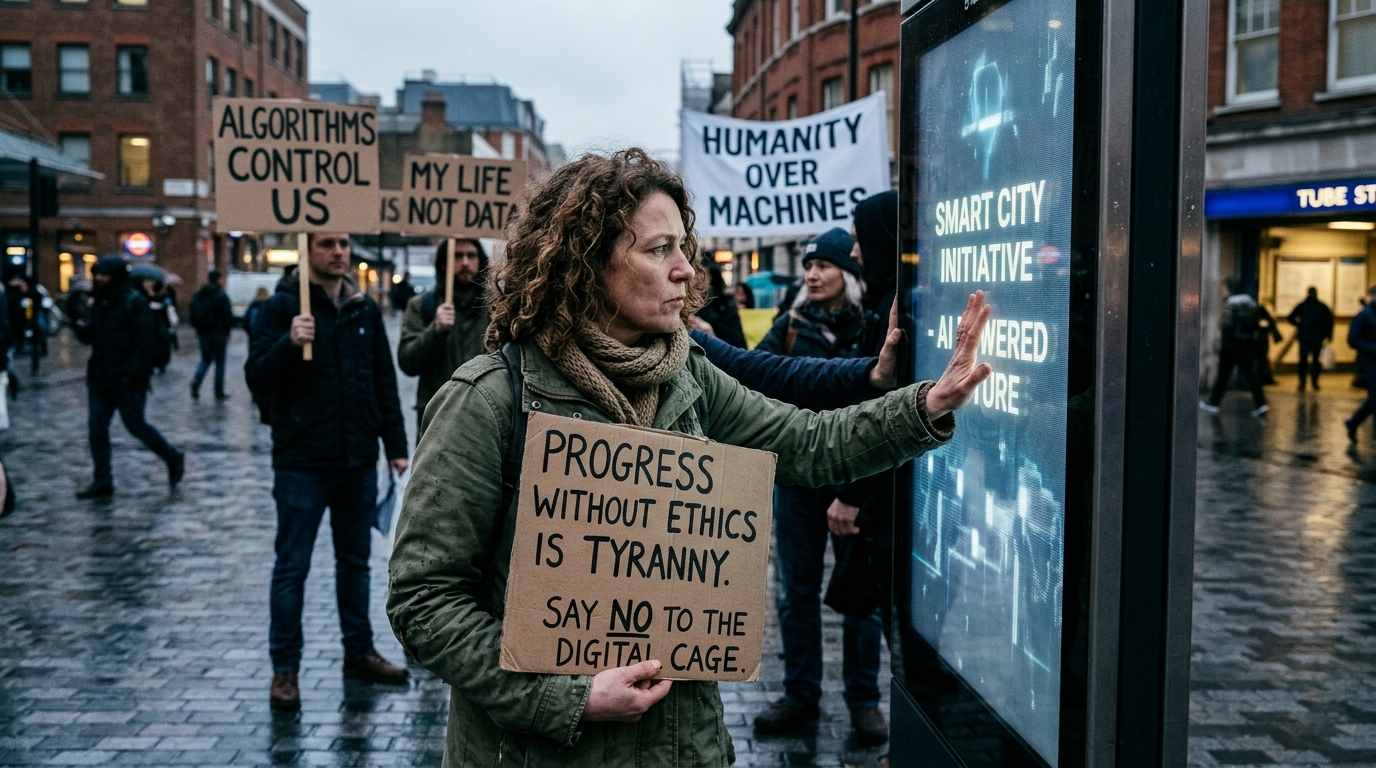
Huang’s assertion brings the issue of "digital literacy" to the forefront. If survival in the labor market depends on AI proficiency, then access to education becomes a paramount political and social issue. Critics point out that not all workers have the resources or the time to retrain, especially those in traditional sectors or aging demographics.
- Reskilling: Corporations must invest in training programs for their existing workforces to prevent obsolescence.
- Educational Reform: Schools and universities must integrate "algorithmic thinking" across all disciplines, not just STEM.
- Accessibility: AI tools must become more intuitive, ensuring they don't require a computer science degree for basic operation.
"AI is a partner, a 'copilot' that enhances human creativity and productivity. Those who refuse to fly with it will inevitably be left on the ground."
NVIDIA’s Strategy and the Future of Work
For NVIDIA, this rhetoric also serves a strategic business purpose. As more individuals and enterprises adopt AI, the demand for the infrastructure the company provides continues to skyrocket. However, Huang’s analysis touches upon a profound truth regarding the nature of 21st-century labor. Work is no longer defined by the execution of repetitive tasks, but by the ability to manage and orchestrate intelligent systems.
The global workforce is currently split between those who view AI as a threat and those who view it as an opportunity. Huang’s message is clear: the latter group will define the future. This requires a shift in mindset from being a "specialist in a task" to being a "manager of a process," where AI handles the heavy lifting of data processing and routine logic.
In conclusion, Jensen Huang’s message is a clarion call for proactive adaptation. AI is not a hurricane destined to sweep us away, but a wind that can fill our sails—provided we know how to steer. The era of "wait and see" is over. The era of "learn and lead" has just begun. The question is no longer whether AI will change your job, but how you will change to master AI.