In the collective imagination, artificial intelligence (AI) is often identified with the ruthless competition of tech giants, the automation of labor, and the pursuit of maximum profit. However, far from the glitzy offices of Silicon Valley, a different, more human revolution is underway. Nonprofits worldwide, and particularly in the United States—as highlighted by a recent report in the Pittsburgh Post-Gazette—are beginning to leverage the power of large language models and predictive analytics to solve some of humanity's most pressing problems.
This transition is not merely a matter of adopting new tools; it is a fundamental shift in how we approach social welfare. In a sector where resources are traditionally limited and needs often outweigh capabilities, AI acts as a "force multiplier," allowing small teams to have an impact that would previously have required armies of volunteers.
From Predicting Hunger to Mental Health Support
One of the most striking examples of this trend is the use of AI in food bank supply chains. Organizations like Feeding America use algorithms to predict where food surpluses will occur and where demand will spike due to economic crises or natural disasters. The ability to analyze data in real-time allows resources to be moved where they are needed most, reducing waste and ensuring that no meal goes to waste.
In the field of mental health, The Trevor Project, which provides crisis intervention services for LGBTQ+ youth, uses AI to train its counselors. Through an AI-powered simulator, volunteers can practice difficult conversation scenarios before coming into contact with real people in danger. Furthermore, natural language processing algorithms help prioritize incoming messages, identifying cases with the highest degree of risk so they receive immediate attention.
Bridging the "Digital Capacity Gap"
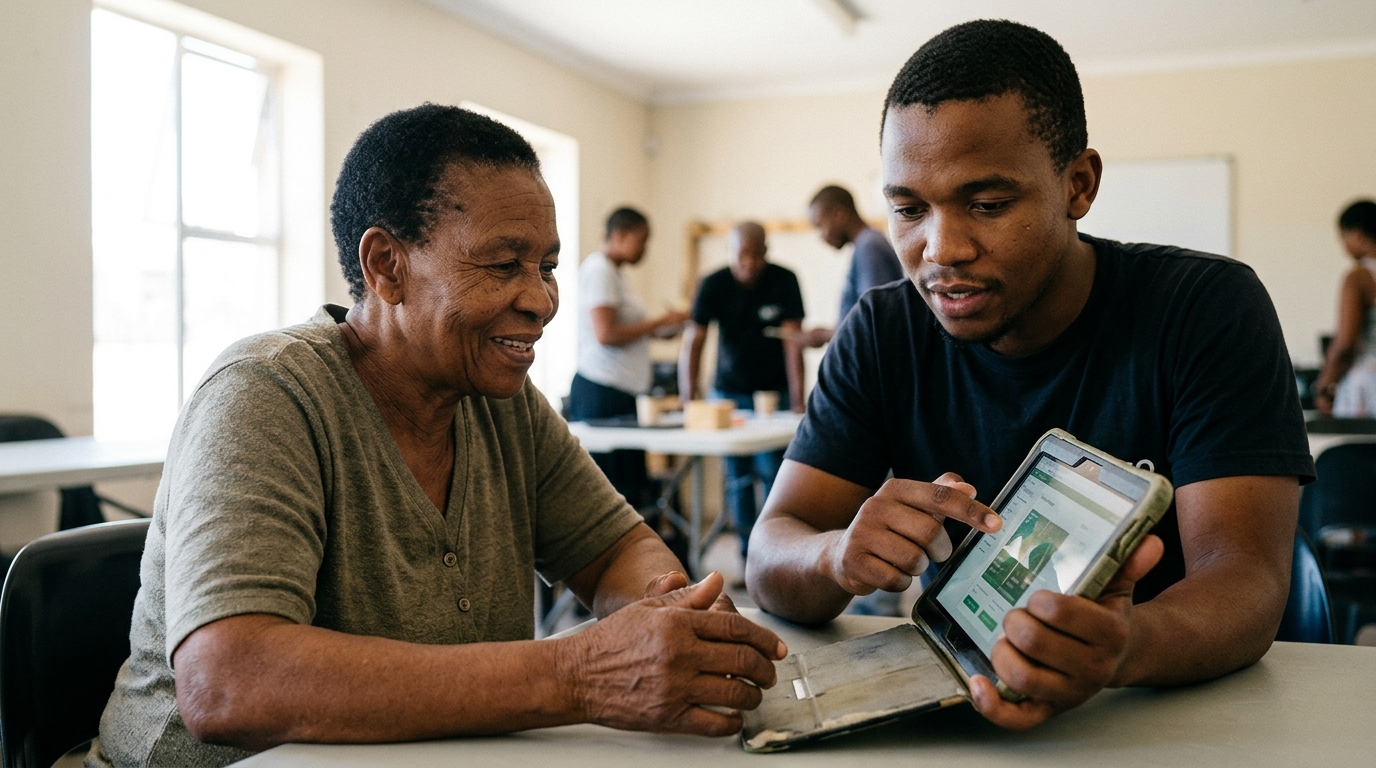
Despite the successes, the adoption of AI by nonprofits is not without challenges. The biggest obstacle remains the so-called "digital divide." While large nonprofits have the resources to hire data scientists, smaller local organizations often struggle with outdated equipment and a lack of technical expertise. This is where the role of partnership between the private sector and civil society comes in. Initiatives like Microsoft's "AI for Good" or computing power donations from Google are attempting to democratize access to these technologies.
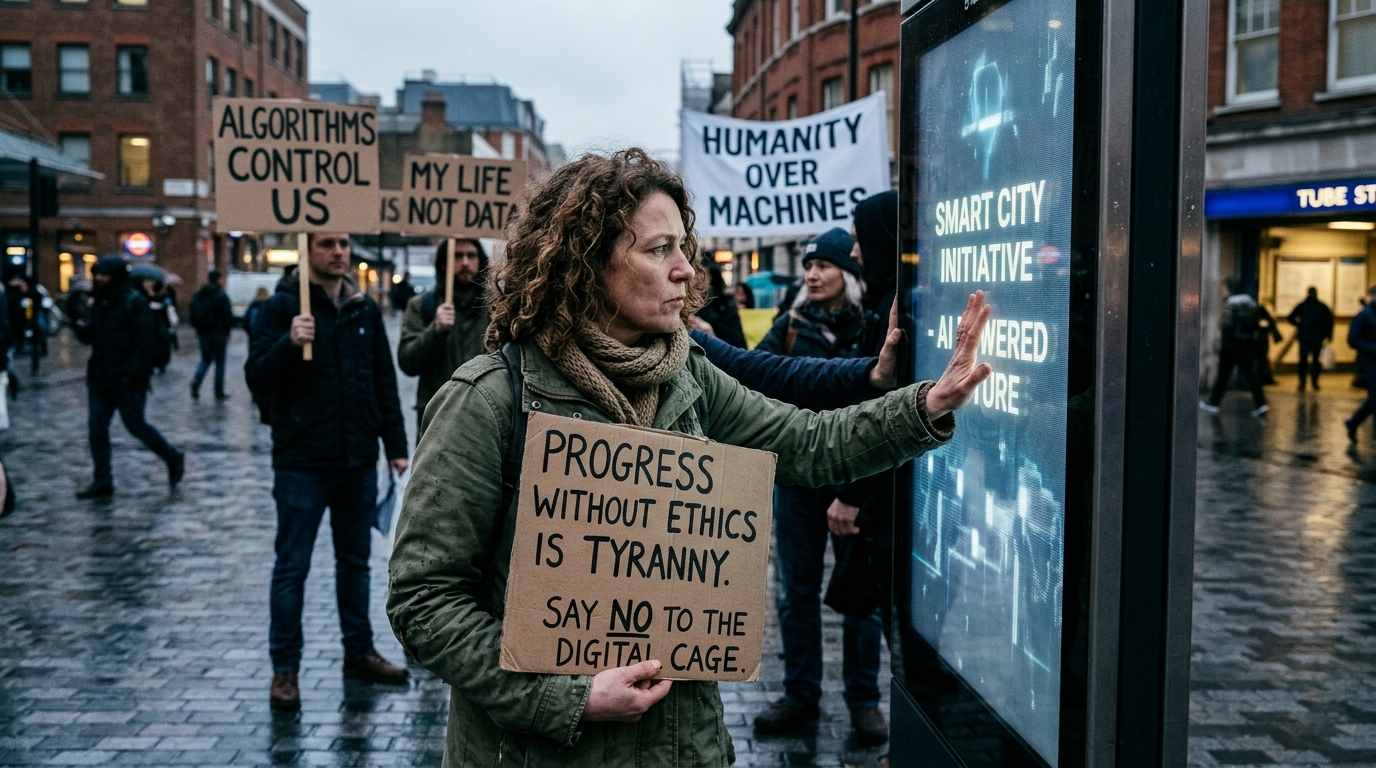
However, reliance on Big Tech's technology raises ethical questions. How secure is the data of vulnerable populations when processed by commercial algorithms? Nonprofits are called upon to balance efficiency with privacy protection, ensuring that AI does not become a tool for surveillance or exclusion.
The Ethics of Automated Compassion
The use of AI in social impact brings the question of "automated compassion" to the fore. Can an algorithm understand human suffering? The answer is clearly no, which is why experts emphasize that AI must remain a supportive tool and not a replacement for human contact. Its real value lies in relieving social workers of bureaucratic burdens, allowing them to devote more time to direct, face-to-face support of their fellow human beings.
In Pittsburgh, for example, local universities are collaborating with social services to develop tools that help identify homeless individuals in need of urgent medical attention. The key to success here is transparency: the people affected by AI decisions must know how the system works and have the ability to challenge its results.
"Technology is not the solution, it is the accelerator. If we direct it toward empathy, the results will be miraculous," say sector executives.
In conclusion, the integration of AI into the nonprofit sector is one of the most promising chapters of technological evolution. If we manage to keep the human at the center and ensure the ethical use of data, AI can become our most powerful weapon in the quest for a more just and inclusive world.