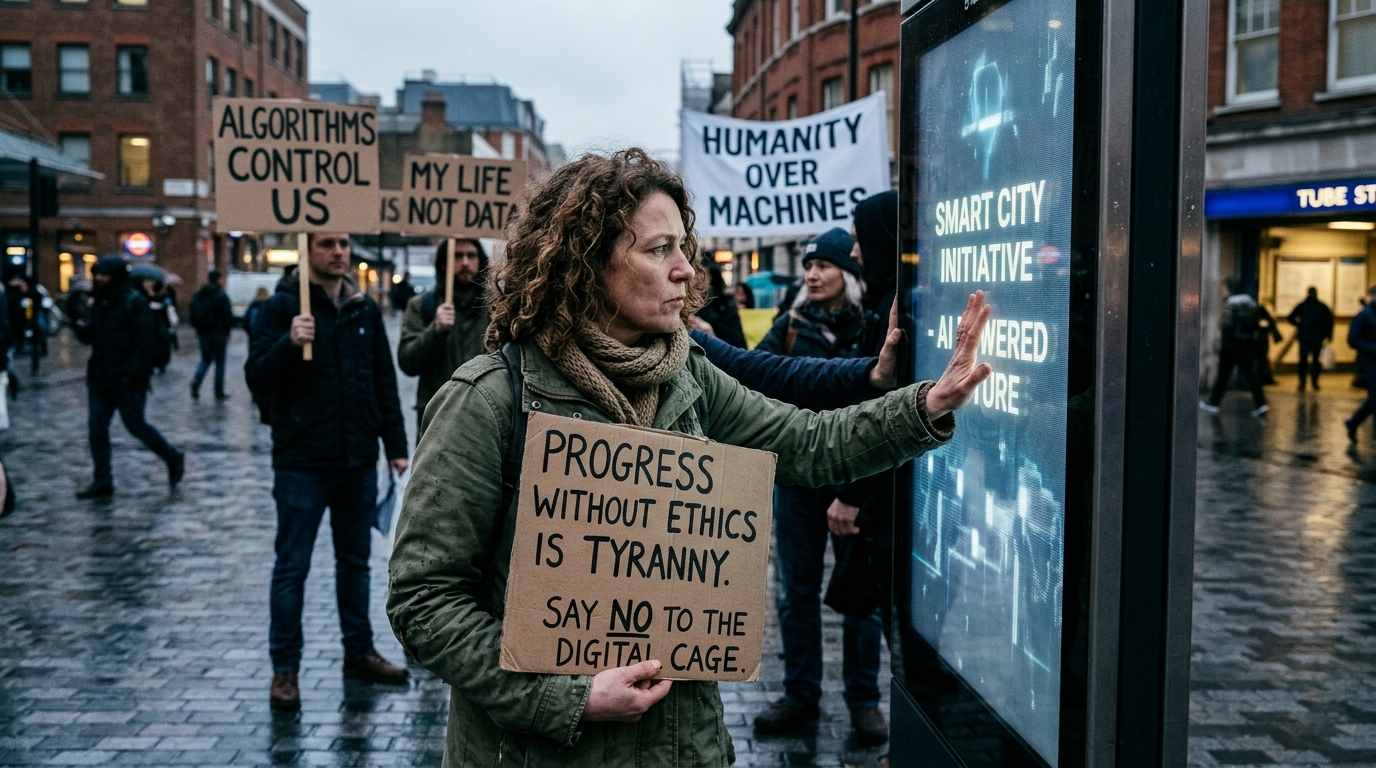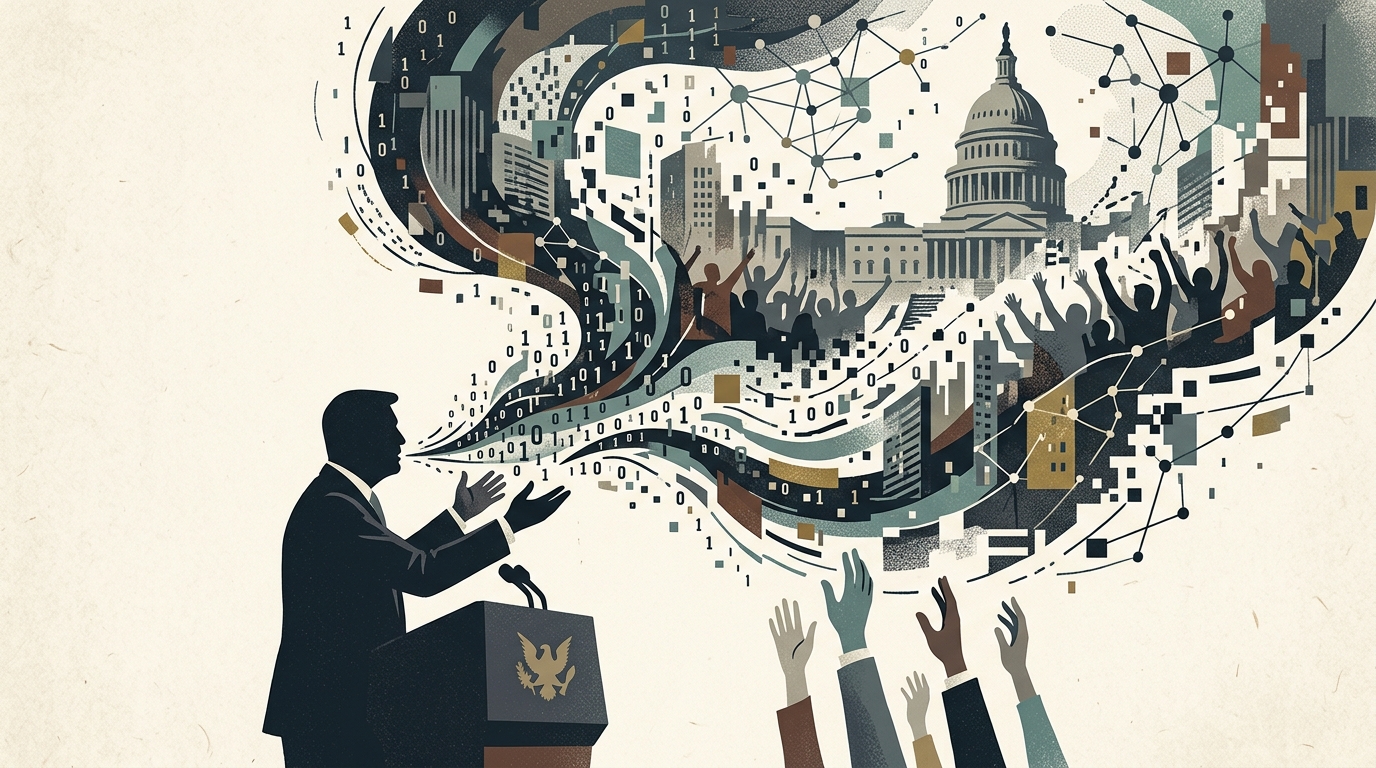
The announcement of the Hasselblad Masters results has always been a milestone for the global photography community. However, the 2026 edition will go down in history not for the aesthetic brilliance of its winners, but for a decision that shook the foundations of the institution: the disqualification of a leading finalist due to the use of generative artificial intelligence (Generative AI) tools. The news, which surfaced via PTTL.gr, highlights the increasing difficulty of judging panels to distinguish visual reality from synthetic illusion.
The Chronicle of a Foretold Collision
The Hasselblad Masters competition is renowned for its exceptionally rigorous criteria. Participants are required to demonstrate not only creative vision but also technical mastery at the highest level, using medium format equipment that captures details beyond the reach of the human eye. In the case of the disqualified photographer, the image that had reached the final stage of the "Landscape" category initially appeared to be a masterpiece of light and composition. However, metadata analysis and the use of specialized forensic AI detection tools revealed that portions of the horizon and ground texture were not captured by a lens but were generated by an algorithm.
Hasselblad, in an official statement, emphasized that the competition celebrates the "art of capturing light" and that the use of AI violates the very essence of photography as a witness to a moment in time. This disqualification is not merely an administrative decision but a statement of principles in an era where the image is losing its ontological connection to reality.
The Ethics of 'Photographic Truth'
The debate that erupted following the incident touches the deepest layers of artistic ethics. For many traditional photographers, using AI in a photography competition is equivalent to "doping" in sports. They argue that the value of a photograph lies in the effort, the waiting for the right light, and the artist's ability to interpret the world through their lens. Conversely, generative AI "borrows" from millions of existing images to synthesize something that looks real but lacks an experiential basis.
- Photography as historical record: AI undermines public trust in the image as evidence of facts.
- The value of craftsmanship: The ease of producing images via AI threatens to devalue the decades of practice required to master light.
- The need for transparency: Competitions must establish clear boundaries between "digital art" and "photography."
On the other hand, some argue that photography has always involved processing, from the darkroom to Photoshop. However, the difference between enhancing a shot and creating content from scratch is qualitative, not quantitative. The disqualification at the Hasselblad Masters 2026 sets a red line that seems necessary for maintaining the integrity of the medium.
Technological Arms Race: Detection vs. Generation
The incident also highlights an undeclared war between AI generation tools and detection systems. As diffusion models become increasingly sophisticated, the traces they leave—such as anomalies in noise patterns or inconsistencies in shadows—become nearly invisible. For the first time in 2026, Hasselblad Masters utilized a verification protocol based on the C2PA (Coalition for Content Provenance and Authenticity) standard, which allows for tracking an image's origin from the moment of capture.
"We do not reject artificial intelligence as a creative tool, but we reject it as a substitute for the photographic act in an institution that honors the lens," stated a member of the judging panel.
The challenge for the future is immense. If one of the most prestigious competitions in the world struggles to ensure the authenticity of works, what does this mean for our daily consumption of images? The need for "digital literacy" is more urgent than ever, as the line between what we saw and what a machine imagined continues to blur.
The Future of Photography Competitions
This disqualification is expected to lead to a tightening of rules globally. Organizations like World Press Photo and the Sony World Photography Awards are already re-evaluating their criteria. Perhaps the solution is not the total exclusion of AI from art, but the clear separation of categories. "Synthetic Imagery" could become a new, distinct field, leaving traditional photography to remain what it has always been: a dialogue between the human, the machine, and reality.
In conclusion, the lesson from Hasselblad Masters 2026 is that technology, however impressive, cannot replace the ethical weight of intention. Photography will survive, but only if we manage to protect the truth hidden behind the shutter.