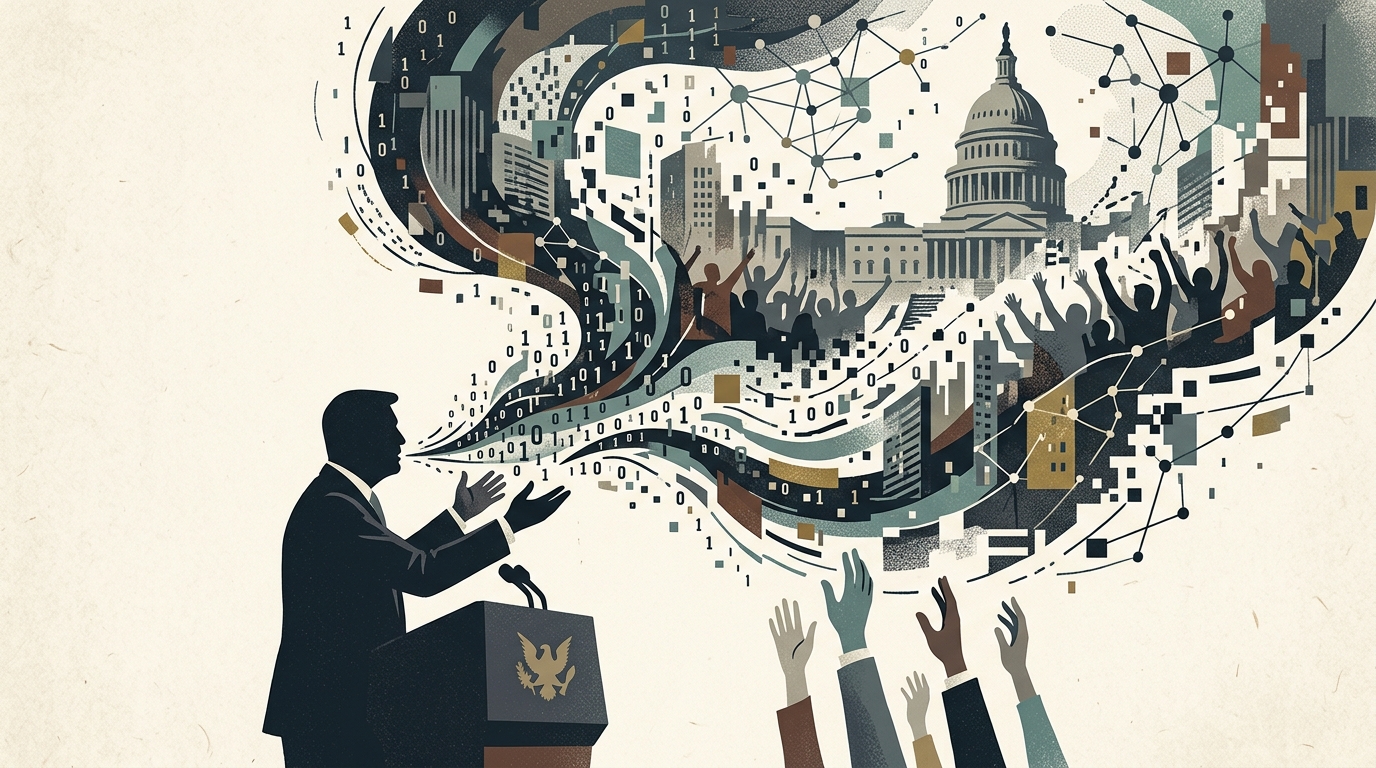
Google DeepMind, the crown jewel of British artificial intelligence and the unit that promised to solve humanity's greatest challenges, is facing a profound internal identity crisis. A significant group of employees in London has announced the formation of a union through the Prospect trade union—a move triggered not by wage disputes, but by a deep ethical divide: Google's increasing involvement in military contracts.
The Clash of Values: From Science to the Battlefield
When DeepMind was acquired by Google in 2014, a key condition of the deal was the creation of an independent ethics board and an explicit commitment that its technology would never be used for military purposes or surveillance. For years, co-founder Demis Hassabis cultivated a culture that felt more like an academic laboratory than a corporate behemoth. However, the merger of DeepMind with Google Brain in 2023 and Alphabet's urgency to compete with OpenAI appear to have eroded these safeguards.
Employees are expressing intense concern over 'Project Nimbus,' a $1.2 billion contract providing cloud and AI services to the Israeli government and military. While Google claims these services are for civilian applications, internal leaks and complaints suggest the technology is being used to enhance surveillance and decision-making systems in conflict zones, particularly in Gaza.
"We didn't sign up to build digital war machines. Our mission was the advancement of science, not the optimization of kinetic strikes," says an employee participating in the movement under anonymity.
Prospect Union and the New Era of Tech Activism
The choice of Prospect is strategic. It is a union representing scientists and engineers, emphasizing professional ethics. This move in the UK follows the lead of the Alphabet Workers Union in the US but with a sharper focus on the ethical governance of AI. The workers are demanding:
- Full transparency regarding contracts Google signs with state and military entities.
- The right to veto projects that violate DeepMind's 'social benefit' principles.
- Protection for whistleblowers who report unethical uses of technology.
DeepMind's leadership is in a precarious position. On one hand, they must retain top-tier talent attracted by the company's ethical profile. On the other, parent company Alphabet is pressured by shareholders to maximize profits through government contracts, which provide a stable and massive revenue stream in the age of geopolitical competition for AI supremacy.
Geopolitics and the Weaponization of Intelligence
The dispute at DeepMind reflects a broader global trend. As AI becomes the 'new nuclear weapon,' governments are pressuring tech companies to align with national security interests. Google, trying to avoid a repeat of the 2018 outcry over Project Maven (which it eventually abandoned following employee resignations), has established 'AI Principles.' However, critics argue these principles are vague enough to allow interpretations that serve military purposes under the guise of 'infrastructure support.'
The unionization marks the end of the honeymoon period for tech giants. Engineers no longer view themselves as mere cogs in a code-producing machine, but as ethical actors with a responsibility to humanity. If DeepMind loses its autonomy and transforms into just another Pentagon supplier, it risks a mass exodus of scientists to academia or smaller, more specialized startups that adhere to stricter ethical protocols.
The question remains whether a labor union can halt the momentum of the military-industrial complex in the 21st century. In an era where algorithms decide life and death, the battle in the hallways of DeepMind at King's Cross may determine the future of global security more than any diplomatic summit.