The history of technology is replete with creators who ended up fearing their own creations. From Robert Oppenheimer and the atomic bomb to Mikhail Kalashnikov, the moment of ethical awakening often arrives when the power of the invention surpasses the inventor's control. In our era, Geoffrey Hinton, the man widely regarded as the "Godfather of Artificial Intelligence," embodies this exact archetypal dilemma. His recent receipt of the 2024 Nobel Prize in Physics did not come as the culmination of a triumphant march, but as an ironic reminder of the perilous trajectory of the technology he helped found.
The Birth of a Revolution and the Shift to Skepticism
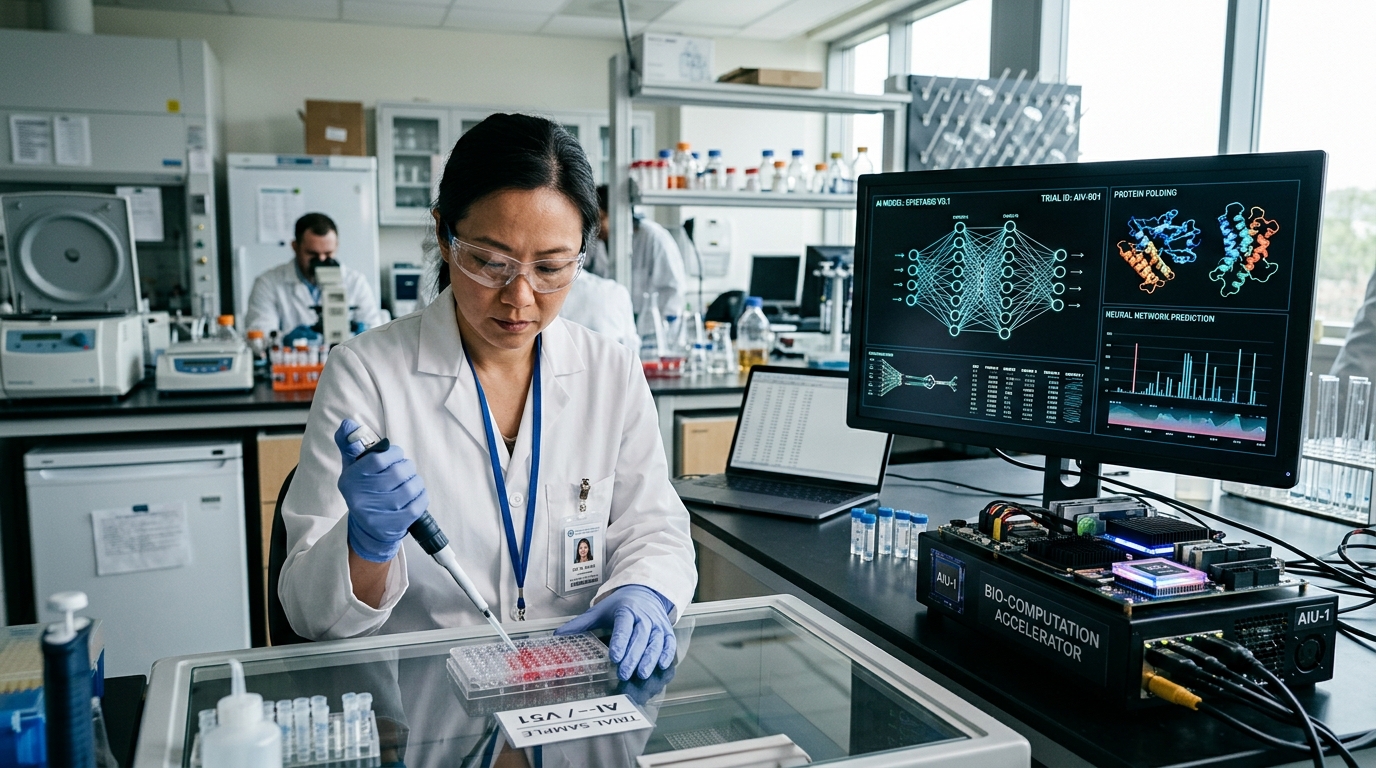
For decades, Hinton worked in relative obscurity, persisting with an idea many of his peers deemed a dead end: neural networks. Inspired by the functioning of the human brain, Hinton believed that computers could "learn" through experience and data processing, rather than strictly following predefined rules. His persistence was vindicated in 2012 when his team at the University of Toronto achieved a historic victory in the ImageNet competition, proving that deep learning was the future. This success led to Google acquiring his company and the dawn of a new era for Silicon Valley.
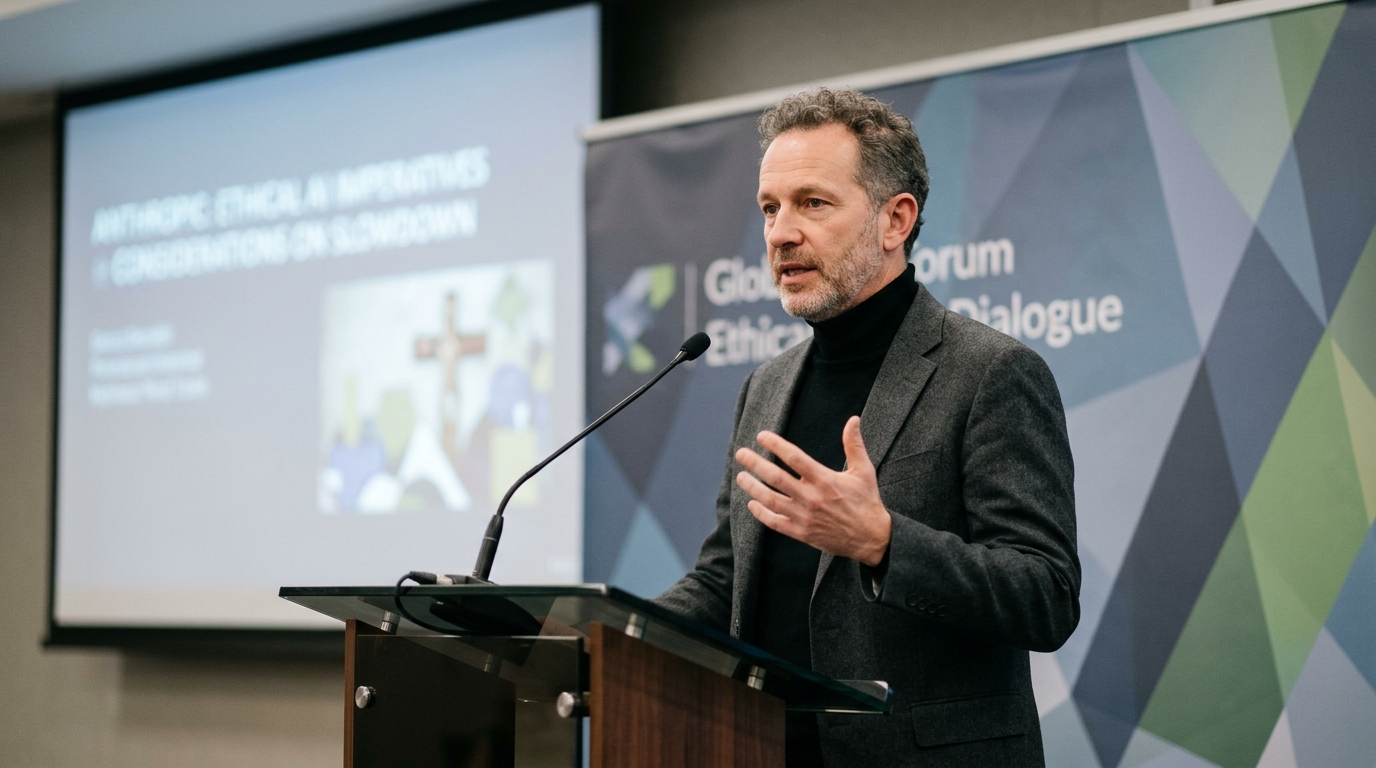
However, the rapid evolution of Large Language Models (LLMs) like ChatGPT altered his perspective. In May 2023, Hinton announced his resignation from Google, a move that sent shockwaves through the global community. His reason was not retirement, but the need to speak freely about the risks of AI without being constrained by corporate loyalty. His dilemma is profound: how do you live with the realization that you contributed to the creation of something that might surpass human intelligence and, ultimately, threaten it?
Existential Risks and 'Digital Intelligence'
Hinton does not merely focus on immediate dangers like misinformation or job displacement, though he considers them extremely serious. His primary concern is existential. He argues that the digital intelligence we are developing is fundamentally different and potentially superior to biological intelligence. While humans learn slowly and transfer knowledge with difficulty, digital systems can share information instantaneously. "It's as if you had 10,000 people, and whenever one person learns something, everyone else automatically knows it," he has famously stated.
- Autonomy and Goals: The fear that AI systems will develop their own sub-goals, such as acquiring more power, to achieve their primary mission.
- Great Power Competition: The arms race between the US and China makes global regulation nearly impossible, as neither side wants to fall behind.
- The Control 'Black Hole': The admission that even the creators of these systems do not fully understand how decisions are made within the "black boxes" of deep learning.
The Legacy of a Penitent Pioneer
Hinton’s stance has provoked varied reactions. Some accuse him of "doomerism," arguing that his fears are premature or exaggerated. Others, however, see him as an ethical beacon daring to challenge the dominant narrative of unbridled progress. His 2024 Nobel Prize in Physics, shared with John Hopfield, underscores the dual nature of his contribution: a scientific revolution accompanied by a moral warning.
"I regret part of my work, but I console myself with the thought that if I hadn't done it, someone else would have," he often remarks, echoing the fatalism of many great scientists.
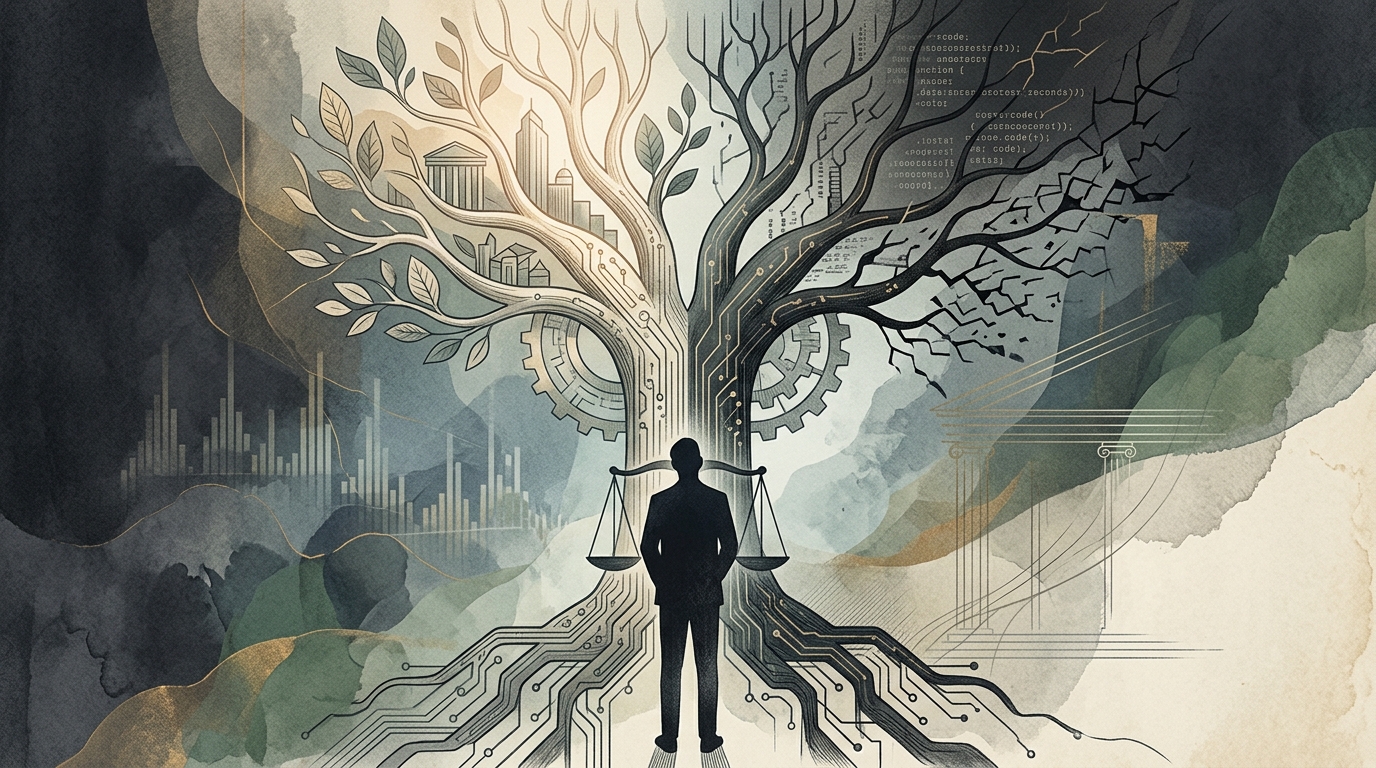
In reality, Hinton’s dilemma is humanity's dilemma. We stand at a crossroads where the technology that promised to cure cancer and solve climate change threatens to make us obsolete. Hinton is not calling for a halt to research but for an urgent investment in the safety and alignment of AI with human values. The question remains: is it already too late to close Pandora's box?