By mid-2026, the conversation surrounding Artificial Intelligence (AI) is no longer about whether it can generate "beautiful" images or melodies—that is now a given. The focus has shifted to a profound ontological and ethical crisis: What constitutes art when human intention is replaced by statistical probabilities? Recent analysis highlighted by international outlets, such as Vietnam.vn, underscores global concerns regarding AI's involvement in the creative process—an involvement that balances precariously between the democratization of expression and the complete deconstruction of artistic value.
The Ethics of Intellectual Property and the "Theft" of Inspiration
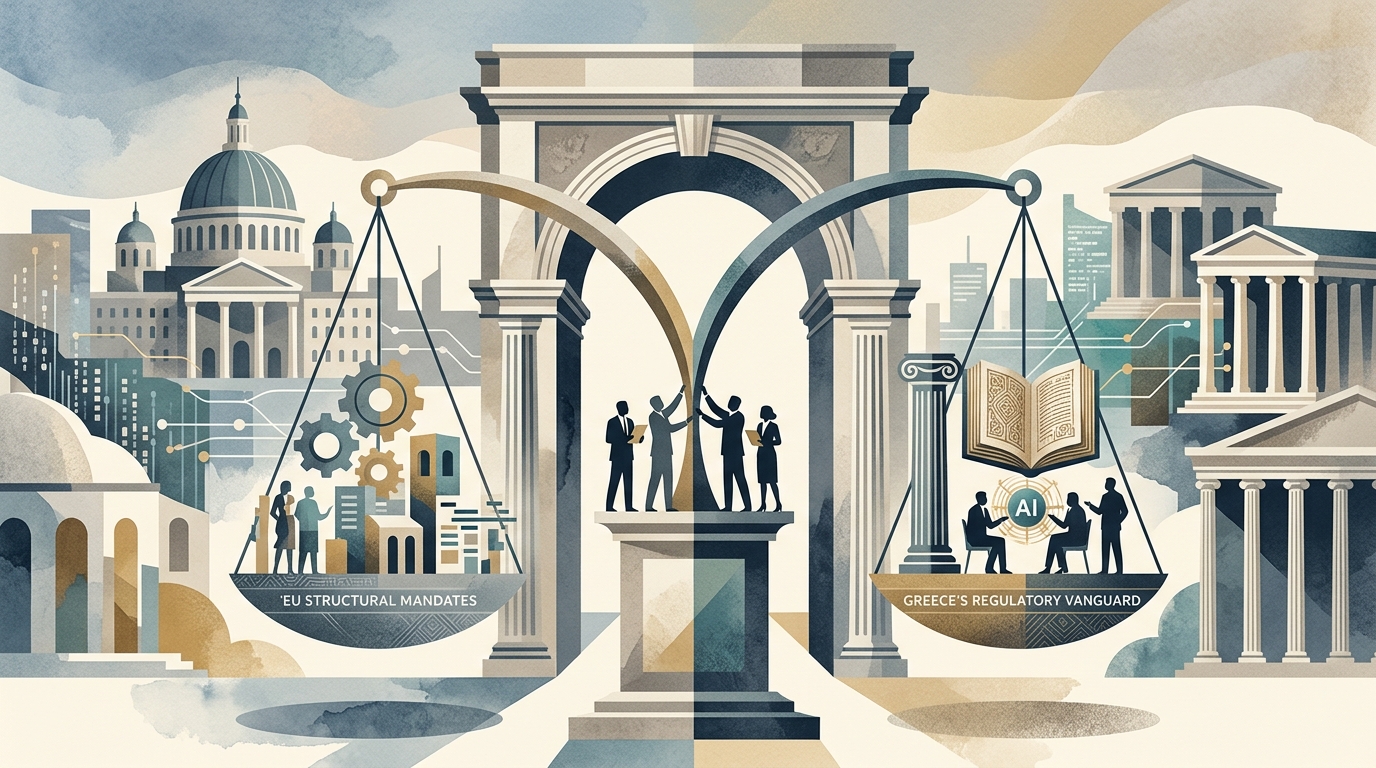
The dominant ethical issue remains the provenance of training data. Large language and vision models have "consumed" centuries of human creativity without the consent of the creators. In Europe, the implementation of the AI Act attempts to enforce transparency, but the genie is out of the bottle. Artists see their unique styles replicated at the touch of a button, turning years of study and personal struggle into a disposable digital commodity. This is not merely a legal dispute; it is an ethical affront to the concept of the "soul" that a creator breathes into their work.
- The erosion of intellectual property rights in the digital age.
- The homogenization of aesthetics due to training on biased datasets.
- The existential threat to traditional artistic professions and craftsmanship.
The Deconstruction of the Creative Process
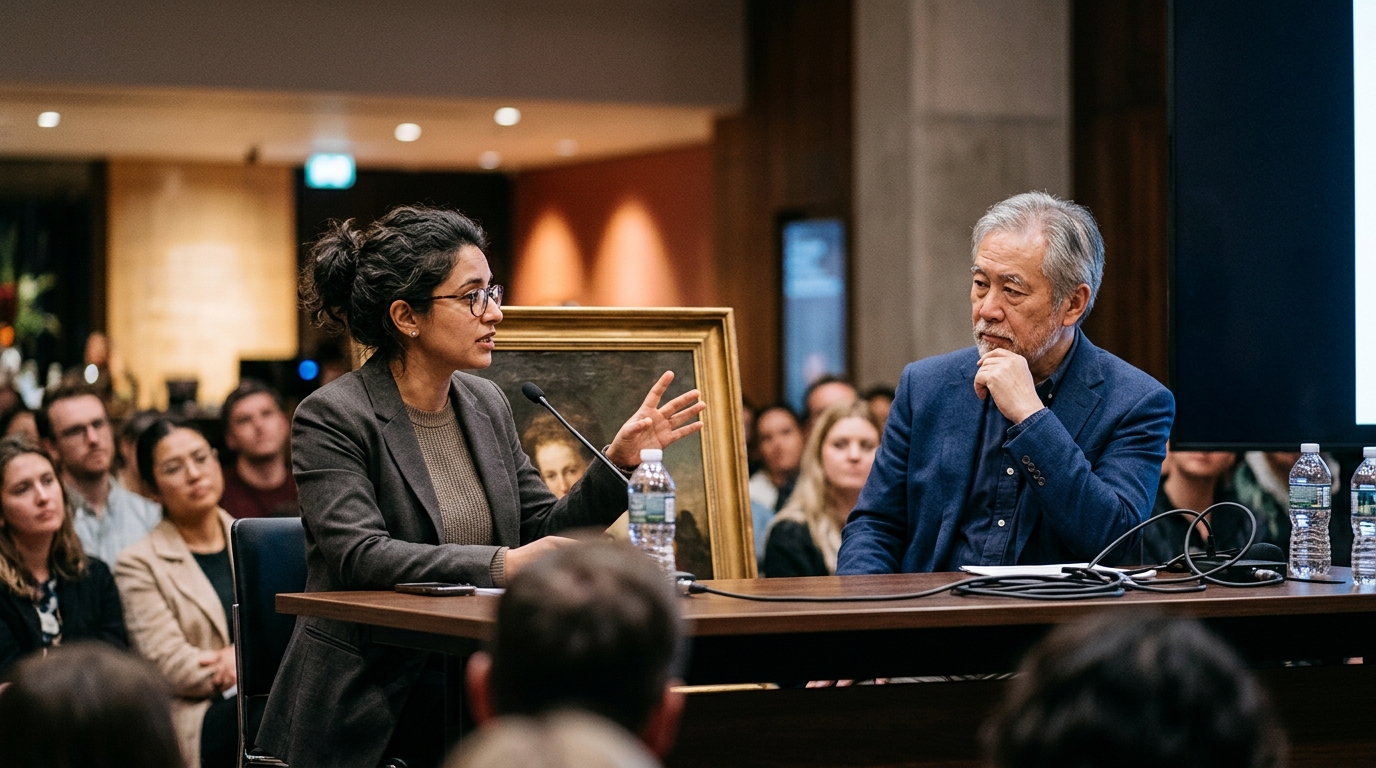
Art, historically, has been a process of struggling with material and ideas. AI transforms this process into "instant gratification." When a user types a prompt, they are not creating; they are selecting from variations offered by an algorithm. This shift from "creation" to "curation" changes the very nature of the artist. The concern expressed globally is that the ease of production will lead to content inflation, where quantity drowns out quality, and "meaning" becomes secondary to visual spectacle.
"Artificial Intelligence has no lived experiences, no traumas, and no dreams. It can mimic their form, but never their essence."
Cultural Identity and Digital Colonialism
An often-overlooked point is the cultural dimension. AI models are primarily trained on Western aesthetic standards. When AI is involved in art creation in countries with rich and distinct traditions, such as Vietnam or Greece, there is a risk of "digital colonialism." Algorithms tend to smooth out cultural idiosyncrasies, presenting a sterilized version of tradition that fits global market tastes. Protecting the authenticity of local art against algorithmic flattening is one of the greatest challenges of our time.
In conclusion, AI's involvement in art is not a simple technological evolution but a mirror forcing us to examine what we truly value in the human condition. If art is the communication between two consciousnesses, then AI can only be the medium, never the transmitter. Ethics means setting boundaries that protect the human creator, ensuring that technology remains the brush and not the painter.