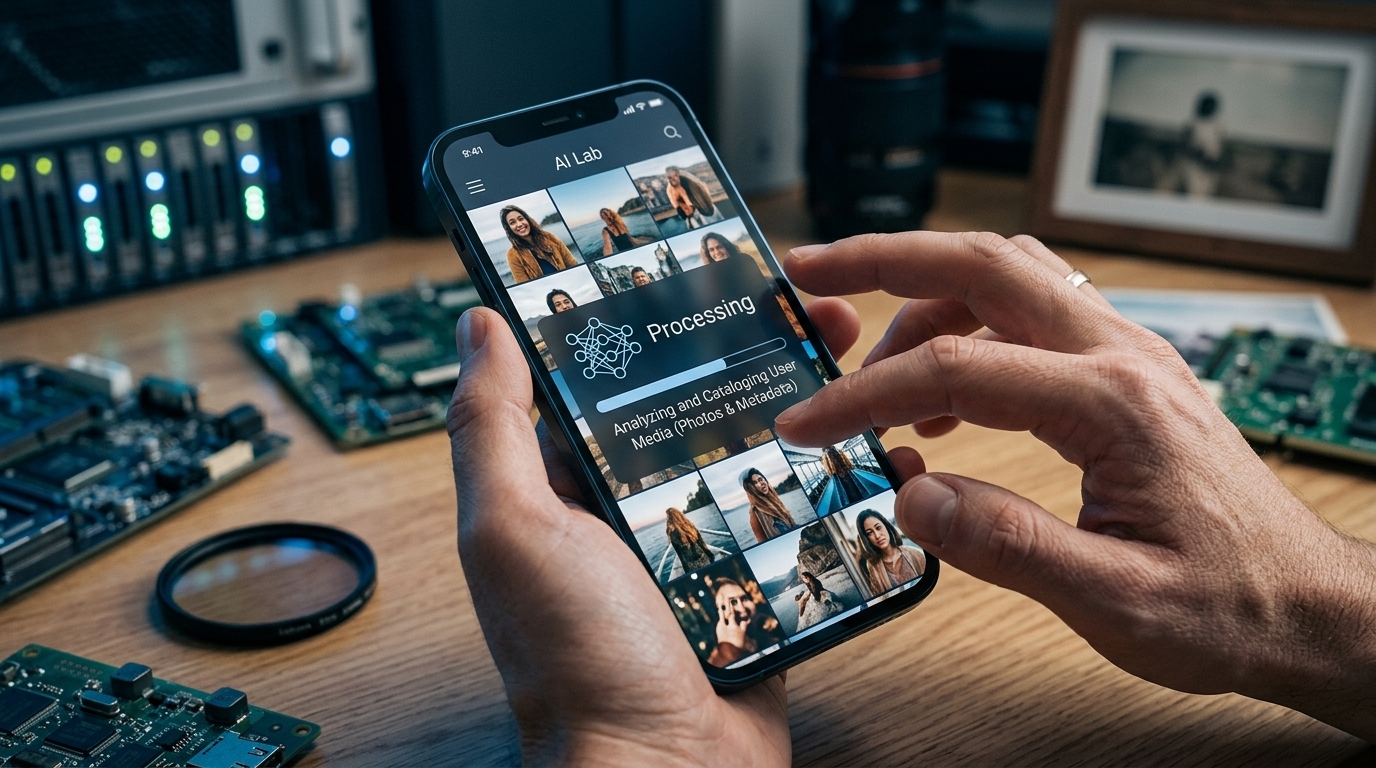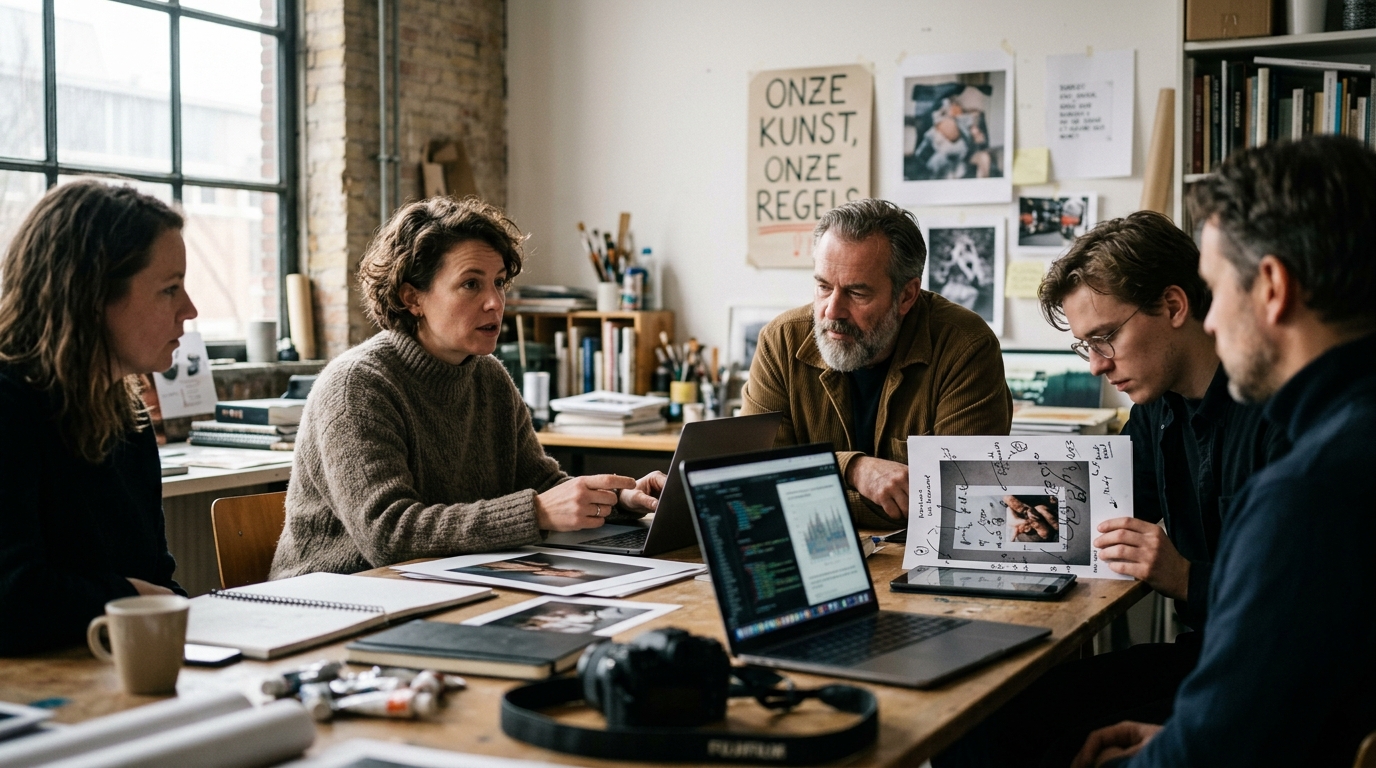
In the heart of Europe, where the long-standing tradition of press freedom and the arts meets digital pioneering, a new "revolution" is brewing. In the Netherlands, a powerful alliance of publishers, authors, illustrators, and content creators has decided to take a stand against the unchecked expansion of Artificial Intelligence (AI) corporations. This initiative, arriving at a critical juncture for the implementation of the EU AI Act, aims to protect intellectual property from the arbitrary "scraping" of data used to train large language models (LLMs).
A United Front for Intellectual Property
The Dutch initiative is not merely a protest; it is a structured legal and ethical intervention. By bringing together collective management organizations and professional associations, the alliance argues that the current practice of using protected works without permission or compensation constitutes a form of "cultural expropriation." Creators are witnessing their works—ranging from literary texts to investigative journalism and digital art—feeding algorithms that subsequently produce content competing directly with the creators themselves.
The core argument of the alliance focuses on the concept of consent. To date, most AI companies operate under the logic of "implied consent," assuming that anything available on the internet is free raw material. The Dutch coalition flips this narrative: the use of intellectual property for commercial AI training purposes must be based on an explicit agreement (opt-in) rather than the creator's obligation to exclude themselves (opt-out).
Navigating the EU AI Act's Grey Areas
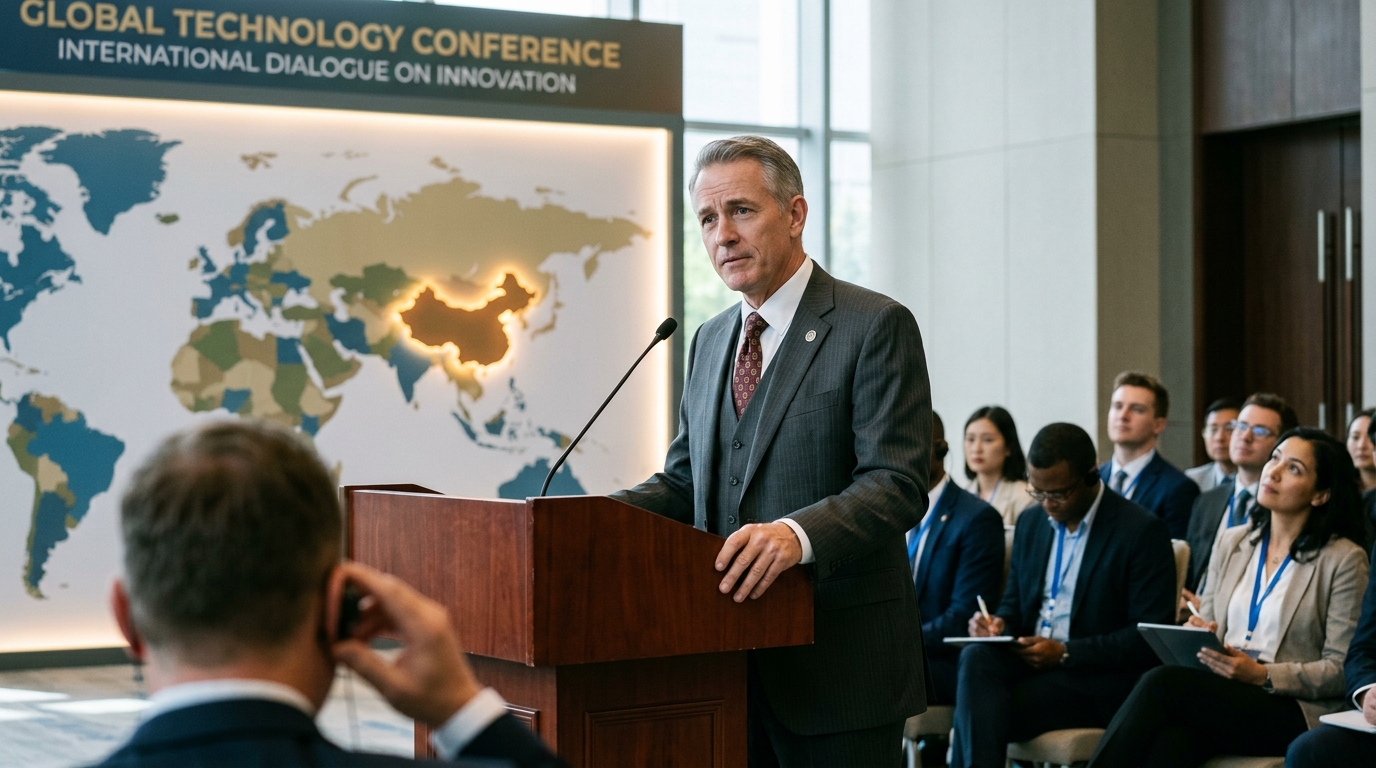
This move coincides with the full activation of the EU AI Act's provisions. While the European Union has already laid the groundwork for creator protection, enforcement remains a battlefield. The Dutch alliance is pushing for stricter transparency standards, demanding that companies like OpenAI and Google publish detailed logs of the data used to train their models.
- Data Transparency: Mandatory reporting of every source used in the training process.
- Fair Compensation: Establishing collective licensing models that generate revenue for creators.
- Right of Control: Easily accessible tools to revoke the license for a work from existing databases.
The alliance emphasizes that without these measures, the content production ecosystem risks collapse, as the incentive for original creation diminishes dramatically when a human's work can be copied and synthesized in seconds by a machine.
The Economic and Moral Cost of Data Scraping
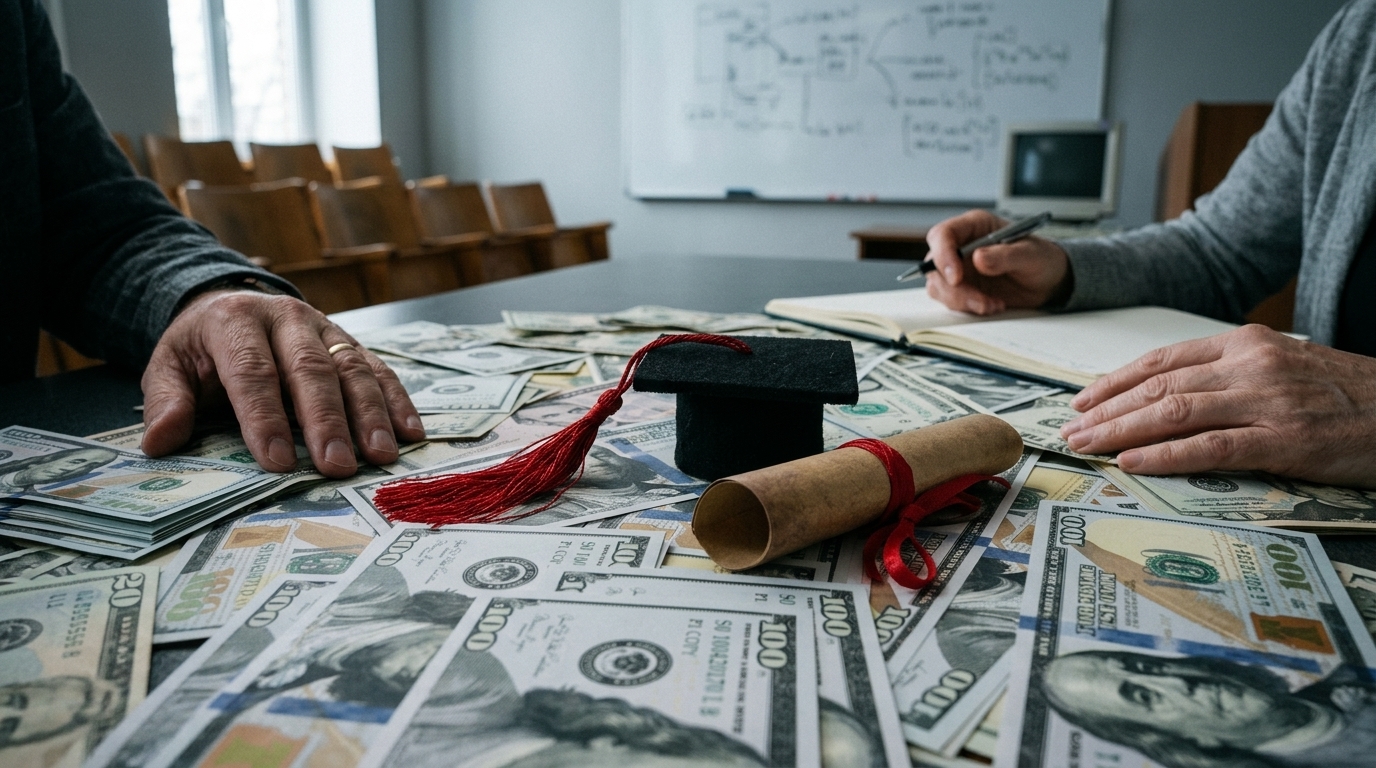
The issue is not only economic but also deeply ethical. AI promises to democratize creativity, but the Dutch alliance asks: at what cost? When an algorithm is trained on the style of a specific author to produce "new" texts that mimic them, it is not innovation but parasitism.
"Technology must serve humanity and culture, not devour it to fuel the profits of Silicon Valley shareholders," a spokesperson for the alliance stated.
This stance reflects a broader European concern regarding the loss of cultural sovereignty. If AI training relies primarily on English-language data or data seized without respect for local nuances, the risk of cultural homogenization is palpable. The Dutch alliance seeks to ensure that the Dutch language and culture are not merely assimilated into a global, algorithmically-generated average.
Toward a New Social Contract for Creators
The actions of the Dutch alliance are expected to serve as a precedent for other European nations. Similar movements are already gaining momentum in France and Germany, forming a front that could force tech giants to the negotiating table. The "collective licensing" model, similar to that used in the music industry, appears to be the most viable solution for a sustainable future.
In conclusion, the Netherlands is leading the way toward "responsible AI." This is a vision of technology that recognizes the value of human intellect and does not treat it simply as free fuel for its engines. The battle for intellectual property in the 21st century has only just begun, and its outcome will determine who controls the narrative of our collective future. The Dutch resistance is the first line of defense in protecting the soul of human creativity from the cold efficiency of the machine.