In the heart of Austin, Texas, an educational experiment named Alpha School is promising to do for education what Tesla did for the automotive industry: decouple it from the traditional "engines" of the past. With annual tuition fees reaching $75,000—a sum that exceeds the cost of attendance at many top Ivy League universities—this school isn't just selling knowledge; it's selling a promise of absolute efficiency through Artificial Intelligence. However, behind the glossy screens and personalized curricula, profound questions emerge about what "learning" means in the 21st century and who will ultimately have access to the tools of the future.
The Model of "Hyper-Personalization"
Alpha School looks like no traditional institution. Students spend approximately two hours every morning interacting with adaptive AI software. These programs analyze in real-time each child's weaknesses, learning speeds, and interests, tailoring the material so there is never a moment of boredom or confusion. The promise is striking: students can cover a full year's curriculum in half the time. According to the founders, this frees up the rest of the day for developing "life skills," such as public speaking, entrepreneurship, and critical thinking.
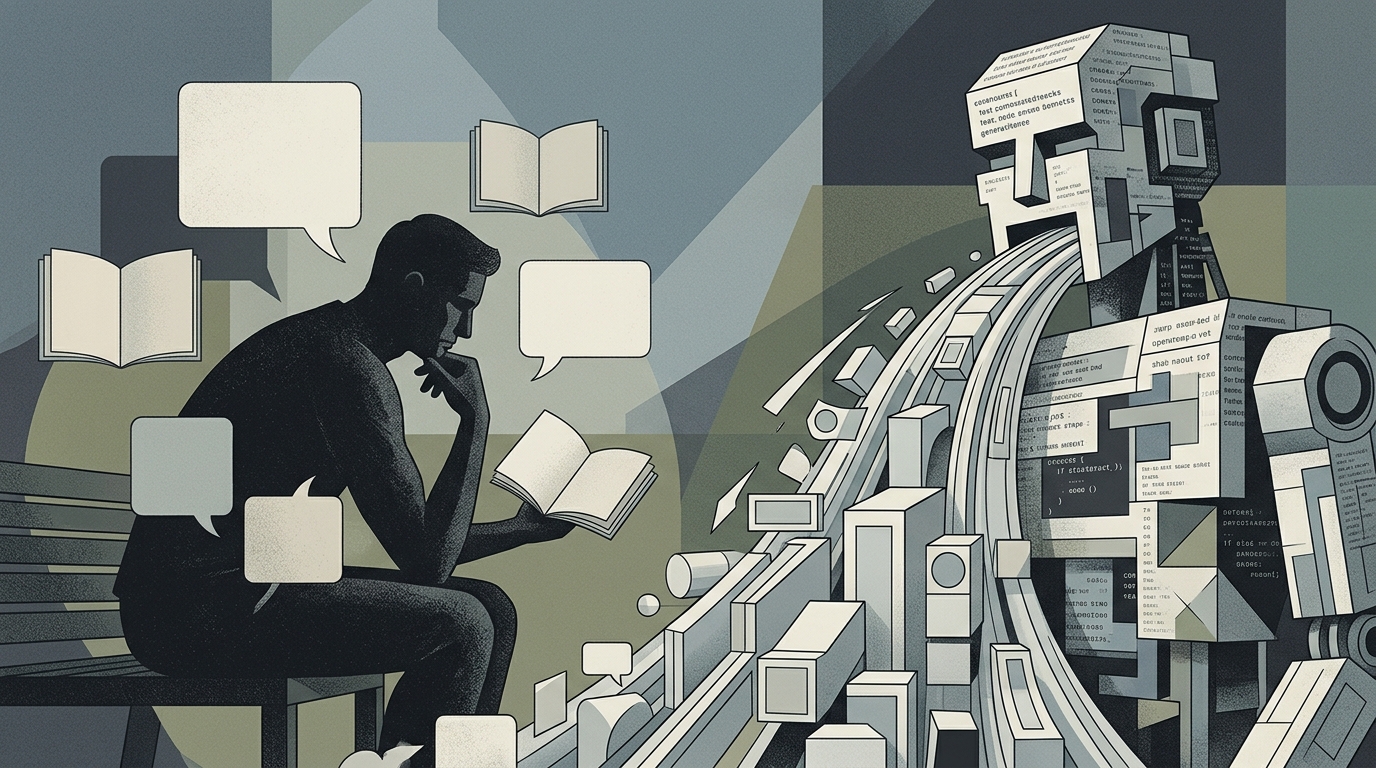
However, the absence of traditional teachers in the classroom is the point generating the most friction. At Alpha, there are no professors lecturing at a blackboard. Instead, there are "guides," whose role is more akin to coaching than teaching. This shift from the "sage on the stage" to the "guide on the side" represents a radical break from centuries of pedagogical tradition, raising the question of whether an algorithm can truly inspire, provide ethical guidance, or perceive the emotional needs of a struggling child.
Education as a Luxury and the Digital Divide
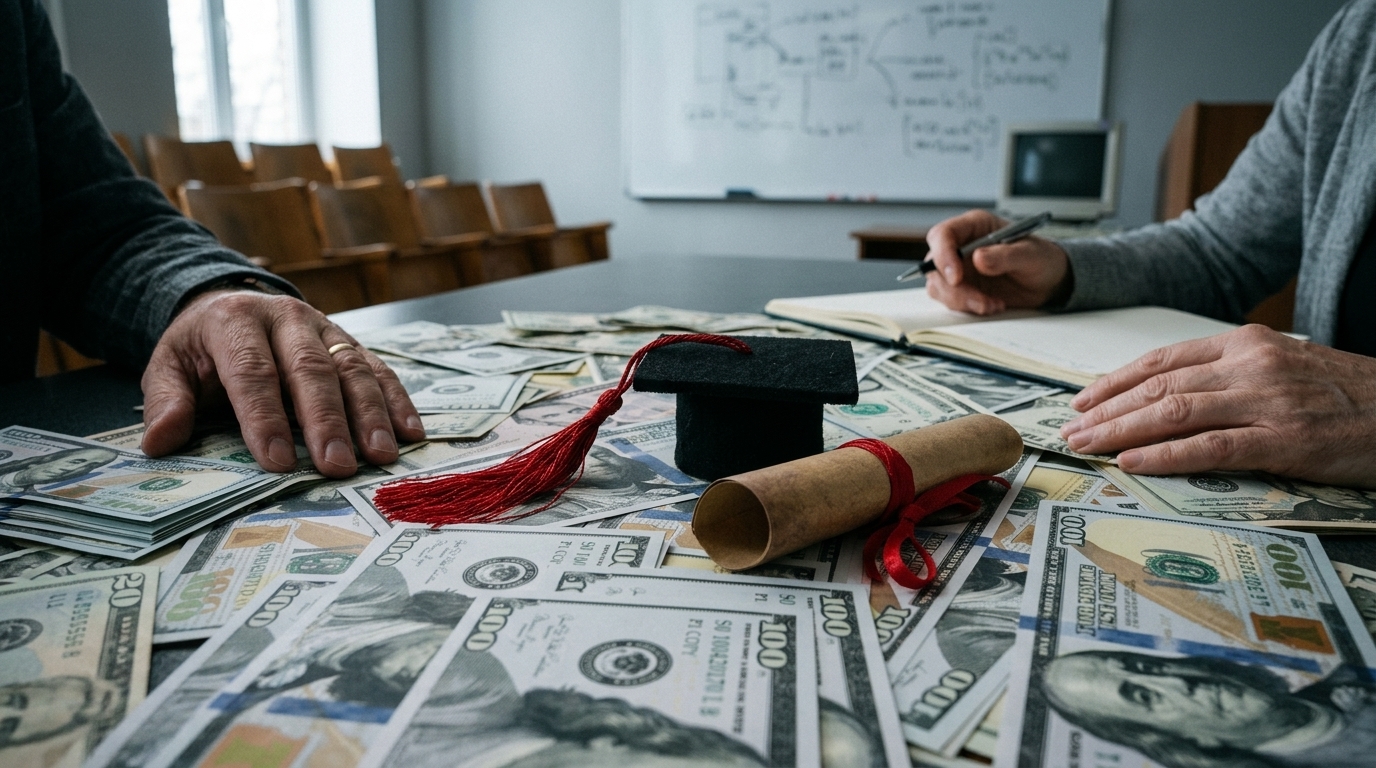
The $75,000 price tag places Alpha School in a stratospheric category. While technology is often touted as a means to democratize knowledge, here it seems to function as the ultimate firewall for the elite. There is a risk of creating a two-tier society: on one side, the children of the wealthy being trained by world-class algorithms and acquiring high-level soft skills, and on the other, the mass of students in underfunded public schools struggling with antiquated systems or, worse, low-quality automated education devoid of human contact.
Critics point out that the excessive emphasis on speed and efficiency overlooks the value of "slow learning." Education is not just about memorizing facts or solving equations; it's about socialization, managing failure within a group, and the friction of interacting with diverse personalities. When school is transformed into an optimized performance dashboard, the magic of discovery that arises from a serendipitous conversation with an inspired teacher is lost.
Ethical Dilemmas and the Future of Pedagogy
Beyond the financial aspect, the ethical dimension of using AI in education worries experts. The data collected on every student's move—how much time they spend on a question, where they get stuck, what distracts them—creates an unprecedented personality profile. Who owns this data? How will this data affect a child's future opportunities if, for instance, an algorithm "decides" at age ten that they have no aptitude for STEM?
Furthermore, screen dependence at such a young age remains a thorny issue. Despite assurances of a "balanced schedule," the core idea remains: the machine is the primary educator. In an era where Silicon Valley's own tech creators often ban their children from using devices, promoting an AI-based school as the "gold standard" seems ironic at best.
Conclusion: Experiment or Precursor?
Alpha School may be an extreme case, but it is the harbinger of a broader trend. Artificial Intelligence will invade the classroom whether we like it or not. The challenge is not whether we will use AI, but how we will use it without sacrificing our humanity. If education becomes a product optimized solely for the labor market, we risk creating a generation of efficient executives who lack depth, empathy, and democratic consciousness. The true value of education may ultimately lie in everything that a $75,000 algorithm cannot measure.