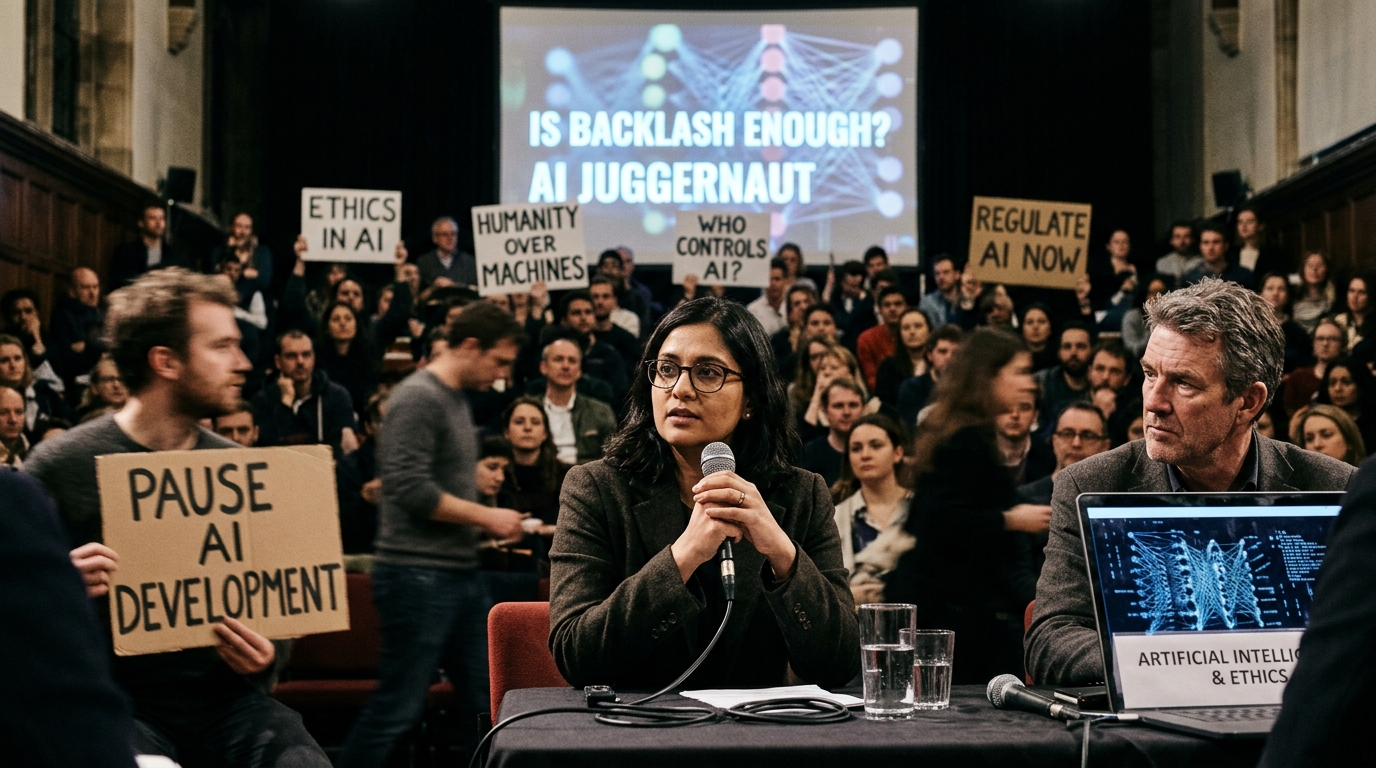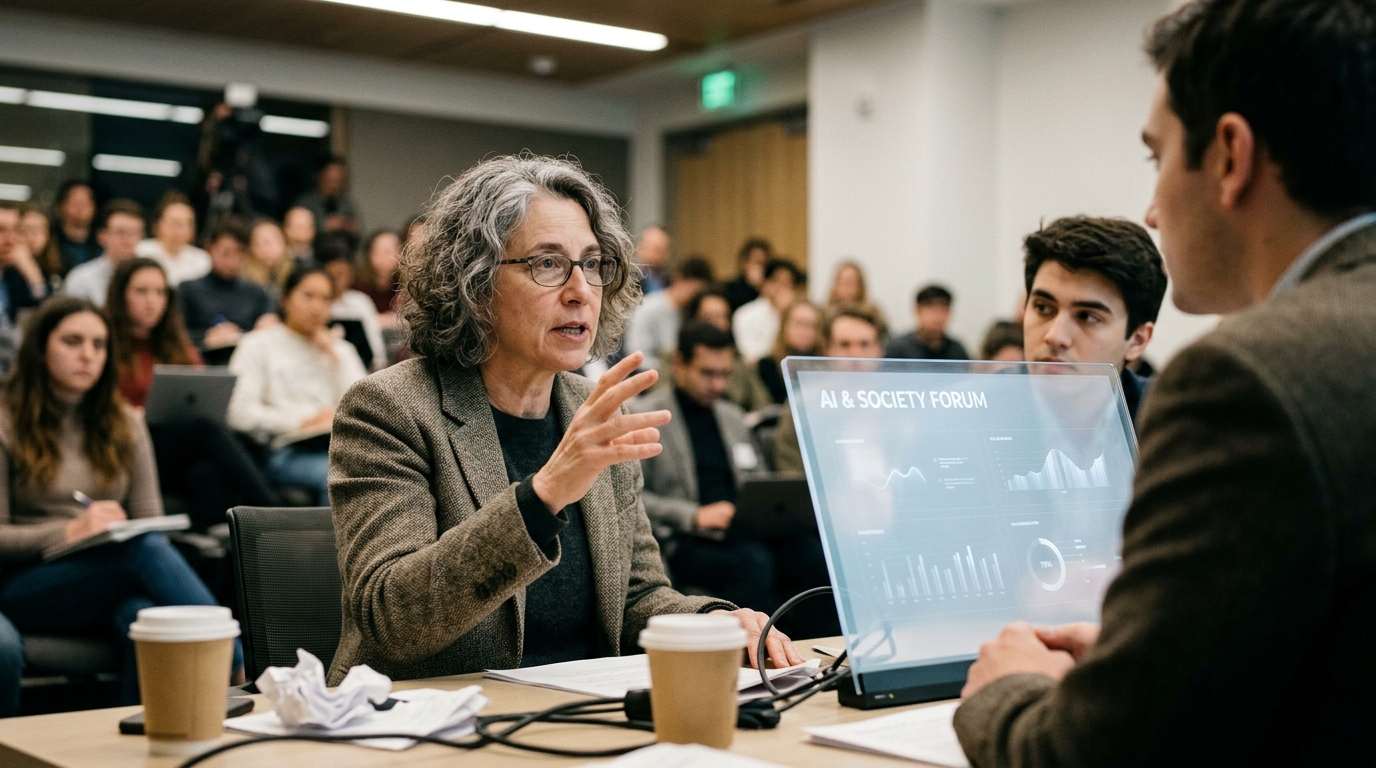
In the lecture halls of global universities and the pages of intellectual journals, a silent but fierce conflict is unfolding. On one side are the proponents of technological acceleration; on the other, a significant portion of academics who view Artificial Intelligence (AI) with a mixture of disdain and dread. The argument of the latter is usually framed as a defense of "human authenticity" and "critical thinking." However, a closer analysis suggests that this blanket dismissal is not a product of rigorous critique, but rather a form of intellectual closure.
Critical thinking, in its purest form, requires a deep understanding of a subject before its evaluation. When AI is dismissed outright as a "plagiarism machine" or a "stochastic parrot," without considering its potential to augment human intellect, critique devolves into dogma. Refusing to engage with the tools reshaping 21st-century reality is not an act of resistance; it is a regressive move that leaves students and researchers ill-equipped for the future.
The Illusion of Moral Superiority
Many intellectuals feel that using AI pollutes the sanctity of intellectual labor. There is a pervasive notion that anything produced with the help of algorithms is inherently devoid of value. This stance echoes the reactions of 15th-century scholars toward the printing press or 20th-century mathematicians toward calculators. The moral superiority projected by those who refuse to touch AI often masks a deeper insecurity: the fear that traditional methods of assessment and teaching are becoming obsolete.
In reality, critical thinking today requires us to ask not whether we should use AI, but how we can use it in a way that enhances human judgment rather than replacing it. Dismissal without experimentation deprives the academic world of the opportunity to set the rules and ethical foundations of this new era. If thinkers withdraw from the conversation, control over the technology will remain exclusively in the hands of Big Tech corporations.
From Skepticism to Illiteracy
There is a fine line between healthy skepticism and digital illiteracy. The skeptic examines data, identifies the biases of AI models, and proposes ways to improve them. The "intellectually closed" individual, conversely, refuses to understand how neural networks function, treating them as a black box unworthy of their attention. This attitude creates a generational and knowledge gap that could prove fatal for academic institutions.
- AI is not just a text generation tool, but a partner in data analysis and information synthesis.
- Abstaining from technology leads to a sterile academic community unable to communicate with the modern workforce.
- Critical thinking must be applied to AI, not against it.
Redefining Education for the 2020s
The university of the future cannot be a space where AI is banned, but a space where its use is taught with rigor. Students must learn to question the machine's answers, cross-reference sources, and identify model hallucinations. This is the new face of critical thinking. The ability to navigate a world filled with synthetic content requires more, not less, intellectual alertness.
"Refusing technology in the name of tradition is often a confession of our inability to evolve the tradition itself."
In conclusion, the challenge we face in 2026 is not technical, but epistemological. We must decide whether to remain observers of a revolution that bypasses us or to become the architects of a new form of intelligence that combines computational power with human empathy and ethics. Intellectual closure is the easy way out; critical engagement is the difficult but necessary path forward.