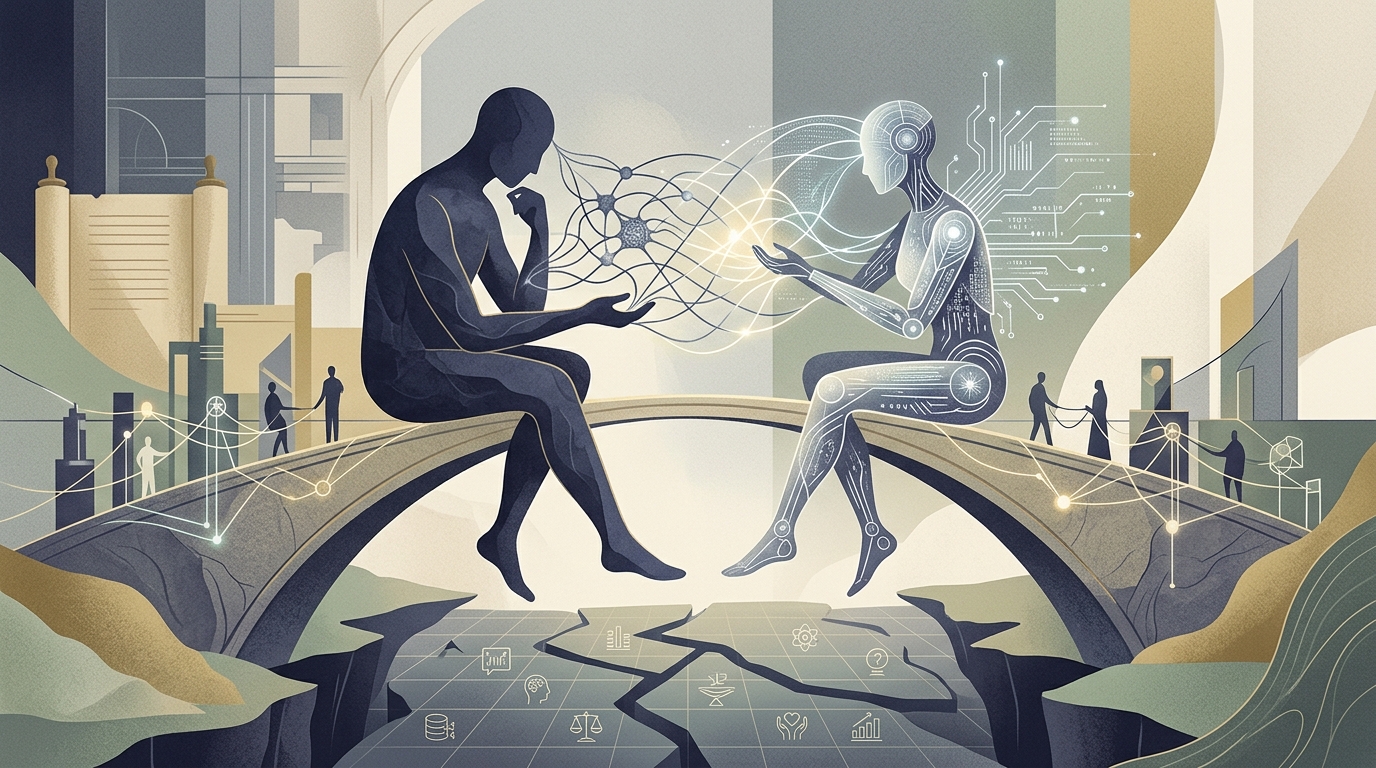
At the dawn of 2026, humanity faces a crisis that transcends politics and economics, touching the very foundation of our shared reality: truth itself. The rise of disinformation and "disnews"—a term describing websites that mimic the look and feel of legitimate news organizations to spread falsehoods—has transformed from a marginal phenomenon into an industrialized threat. As artificial intelligence becomes increasingly sophisticated, the line between fact and fabricated narrative is becoming nearly invisible to the average citizen.
The Industrialization of Falsehood
The disnews phenomenon is not merely the work of isolated trolls or amateurs. It is a well-organized ecosystem. According to recent studies, thousands of websites globally now utilize Generative AI tools to produce hundreds of articles per day. These articles often blend real news with false claims, creating a mixture that is difficult to debunk. The use of AI allows these entities to operate at minimal cost, flooding search engines and social media feeds with content designed to trigger rage, fear, or confusion.
The problem is exacerbated by the fact that these sites often adopt authoritative-sounding names, such as "The Athens Daily" or "Global Strategic Monitor," and use professional templates that deceive the reader. This is no longer about obviously fake news; it is a form of "pseudo-journalism" that erodes trust in traditional information institutions.
The Attention Economy and Ad-Tech
Why is this happening? The answer is often financial. Digital advertising operates through automated systems (programmatic advertising) that place ads from major corporations on websites based on traffic, without always vetting the quality of the content. Consequently, creators of fake news earn millions of euros from brand-name advertisements, which unwittingly fund the destruction of the public sphere.
- Ad automation allows malicious actors to profit from polarization.
- Social media algorithms promote content that triggers strong reactions, which is typically disinformation.
- The lack of transparency in advertising supply chains makes it difficult to blacklist these sites effectively.
Furthermore, there is a geopolitical dimension. State actors use disnews as a tool of hybrid warfare to influence elections, provoke social unrest, and weaken democratic values. Greece, as a gateway to Europe, has not remained immune to such influence operations, particularly regarding foreign policy and migration issues.
Deepfakes and the "Post-Truth" Reality
In 2026, deepfake technology has reached levels of perfection that render video and audio unreliable as evidence. We have witnessed cases where "statements" by political leaders were fabricated to cause diplomatic incidents or stock market crashes. The concept of the "liar’s dividend" is now a reality: when everything can be fake, real culprits can claim that genuine evidence against them is merely a product of AI.
"The greatest threat to democracy is not censorship, but the deluge of noise that makes the truth invisible," notes a digital ethics expert.
Seeking Solutions: Technology and Education
Addressing this phenomenon requires a multi-layered approach. The European Union, through the Digital Services Act (DSA) and the AI Act, is attempting to impose stricter rules on large platforms. However, legislation often lags behind the pace of technological evolution.
The technological response includes using AI to detect AI. Systems that analyze image metadata or writing styles can warn users of potential disinformation. Yet, the most critical defense remains media literacy. Citizens must learn to cross-reference sources, recognize the emotional "hooks" of fake news, and understand how the digital ecosystem functions. Without an informed and critically thinking society, the battle for truth risks being lost permanently.