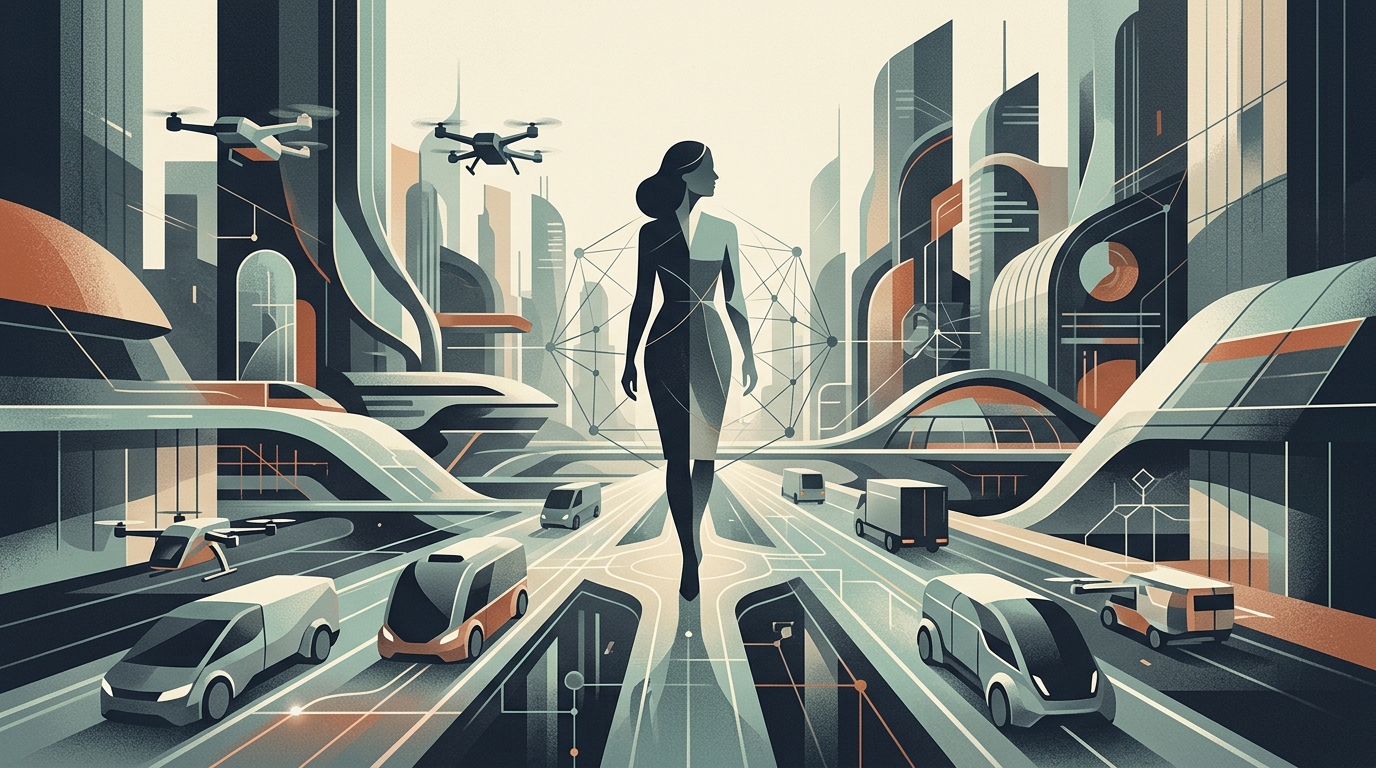
In an era where generative AI dominates the headlines, another, more tangible revolution is taking place on our city streets. Nexar, a leader in computer vision and real-time mapping, has announced the appointment of Jen Vescio to its Board of Directors. This move is not merely a corporate restructuring but a clear statement of intent: "Physical AI" is ready to transform commercial mobility at an unprecedented scale.
The Strategic Significance of Jen Vescio
Jen Vescio brings a wealth of experience from tech giants such as Uber, eBay, and Disney. Her tenure as Global Head of Business Development at Uber is particularly noteworthy as Nexar seeks to expand its network beyond consumer dashcams and deeper into the ecosystem of commercial fleets and smart cities. Her ability to scale platforms and forge strategic partnerships is considered critical for the phase Nexar is currently entering.
"Jen's experience in scaling technological ecosystems is exactly what we need as Physical AI transitions from a promising technology to a daily necessity for transportation," company sources noted.
Understanding Physical AI
While large language models like GPT deal with text and code, Physical AI concerns the ability of machines to perceive, interpret, and interact with the physical world. In Nexar's case, this translates to millions of hours of video analyzed in real-time to identify road hazards, infrastructure changes, and traffic patterns. This technology enables the creation of a "digital twin" of the road network, which is updated continuously.
- Real-Time Perception: The ability to recognize obstacles before they are even visible to the human eye.
- Fleet Management: Logistics companies can now optimize routes not just based on distance, but on actual road conditions.
- Safety and Insurance: Precise data recording reduces fraud and improves accident response times.
The Transition to Commercial Scale
Nexar is no longer just a hardware company; it is a data powerhouse. With over 500 million miles of driving recorded every month, the company possesses one of the largest visual datasets in the world. This "visual network" is invaluable for municipalities looking to improve infrastructure, autonomous driving companies requiring training data, and insurance giants seeking to overhaul risk models.
The challenge for Vescio and the rest of the board will be monetizing this data without infringing on user privacy—a topic that remains at the forefront of AI discussions in Europe and the US. Physical AI requires massive computing power at the "edge," and Nexar appears to be investing in processors that can run complex algorithms directly on the device.
The Future of Mobility
As we approach the end of the decade, the integration of AI into physical infrastructure will be taken for granted. Nexar is positioning itself as the bridge between the analog past of highways and the digital future of autonomous mobility. Jen Vescio's appointment underscores that the industry has matured enough to attract executives who know how to turn innovation into a profitable global enterprise.