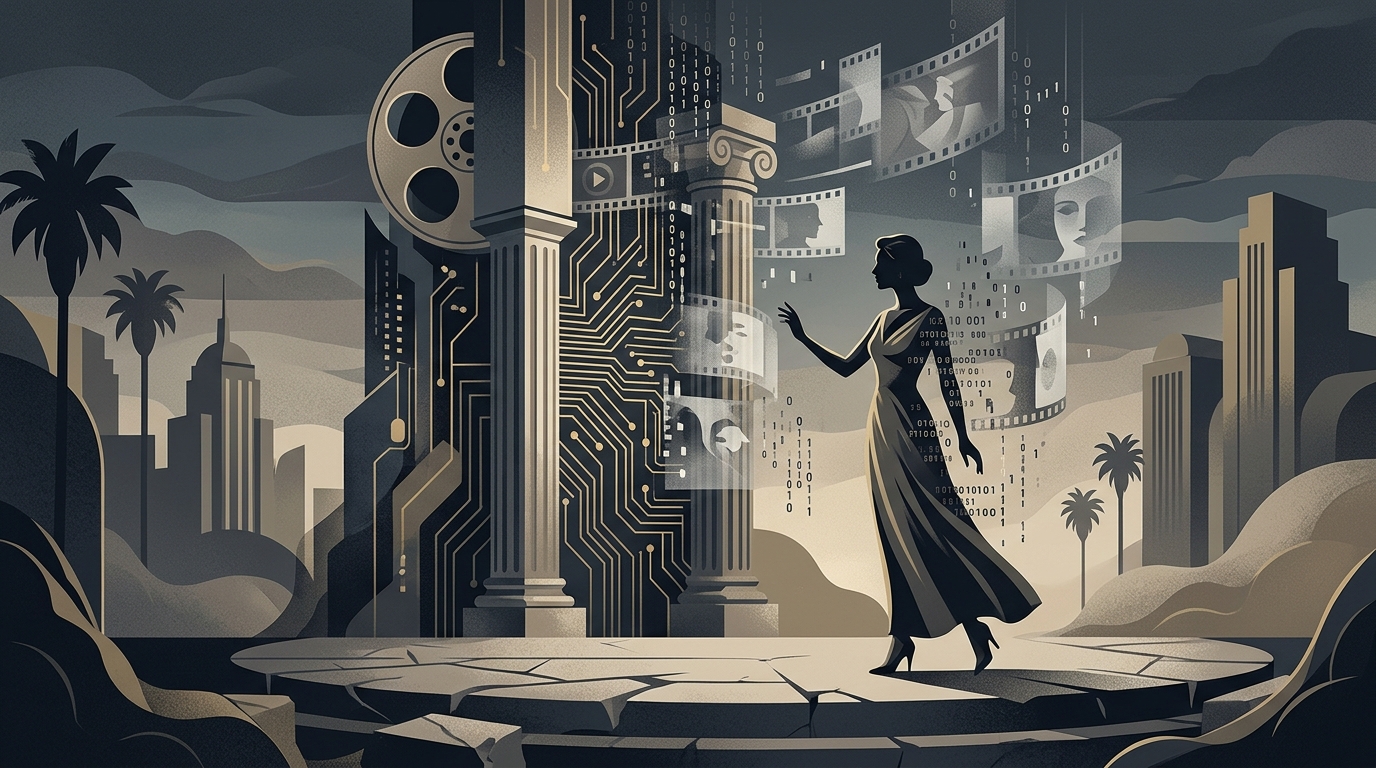
On the sun-drenched stage of the Cannes Film Festival, where cinematic tradition meets contemporary anxiety, Demi Moore did not mince her words. Promoting her film 'The Substance'—a body-horror exploration of the desperate quest for eternal youth—the actress struck a nerve: Hollywood’s fight against Artificial Intelligence (AI) might already be a losing battle. Her statement is not merely a pessimistic forecast; it is a profound structural analysis of the new reality reshaping the corridors of power in California and screens across the globe.
The Digital Inevitability
Moore argued that technology is evolving at a velocity that legislation and union contracts simply cannot match. While the landmark strikes of 2023 and 2024 established some defensive perimeters, the 'digital tide' continues to rise. The use of digital twins and de-aging technology is no longer a niche experiment; it is the new industrial standard. 'You can’t stop progress,' she noted, implying that trying to contain AI through bureaucratic red tape is akin to trying to contain the wind with a picket fence.
The issue is as philosophical as it is technical. Moore’s film, 'The Substance,' serves as a perfect metaphor for AI. In the movie, a substance allows for the creation of a 'better version' of oneself. In the reality of 2026, AI promises studios a 'better version' of production: cheaper, faster, and devoid of the 'unpredictability' of the human element. Moore recognizes that the industry is deeply seduced by this algorithmic perfection, even if it necessitates the erosion of the human soul.
Ethical Quagmires and the Ownership of Self
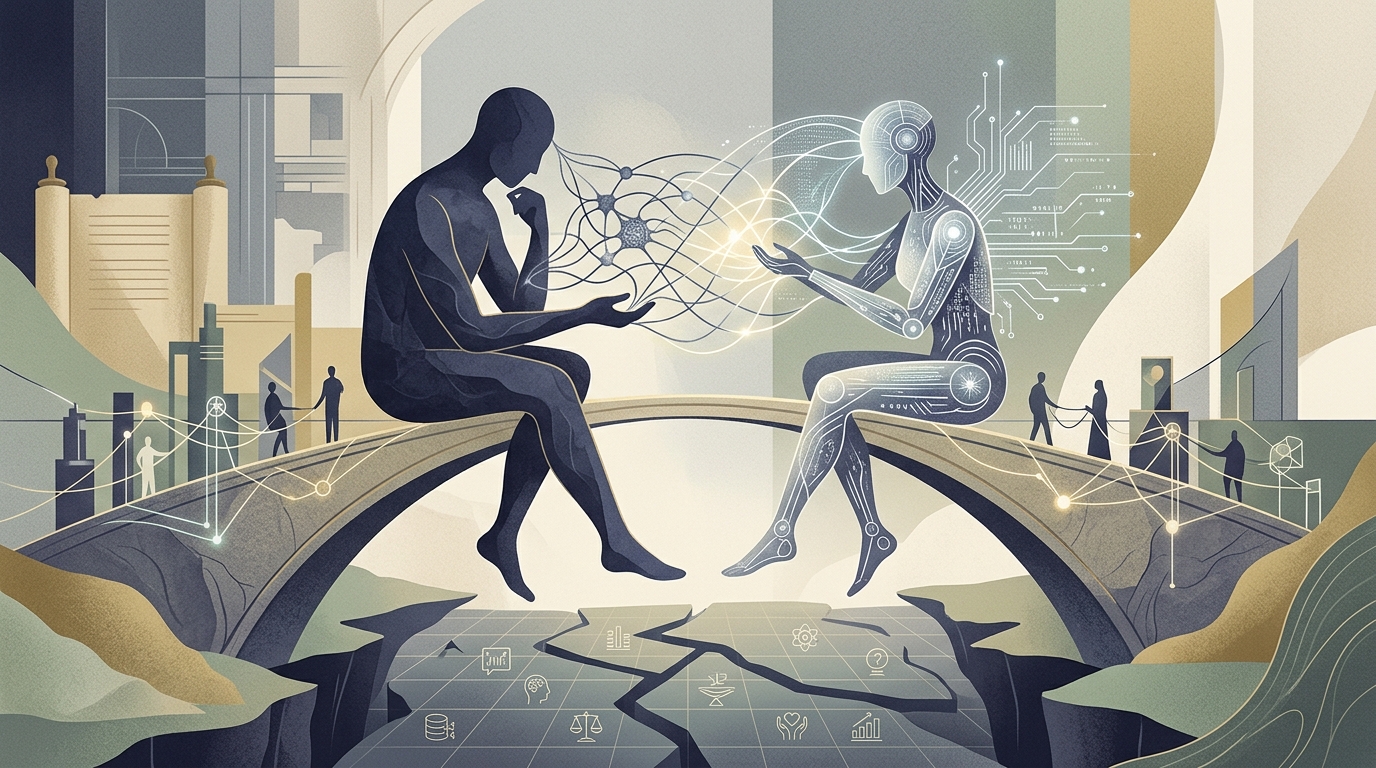
The central conflict revolves around the ethics of identity theft. Who owns an actor’s face once it has been codified into data? Moore, having spent decades under the intense scrutiny of the public eye, understands that AI strips away the artist’s final bastion: the authenticity of the moment. When an algorithm can replicate an actress’s sob or smile based on thousands of hours of legacy footage, the very concept of 'performance' is irrevocably altered.
- The loss of agency over digital likeness after death or retirement.
- The devaluation of background actors replaced by synthesized digital crowds.
- The proliferation of 'soulless' content designed by statistical probability rather than creative vision.
"Technology isn't the enemy, but the greed driving it is. If we lose the human connection, what stories do we have left to tell?"
The Future of Storytelling in an Algorithmic World
Despite the grim prediction of a 'losing battle,' Moore is not calling for surrender, but for a new form of vigilance. Hollywood’s challenge is to find a path to integrate AI without sacrificing the artist. However, the economic gravity is immense. Major studios, grappling with thinning margins in streaming and theatrical releases, view AI as a life raft for cost reduction. In this environment, ethics often take a backseat to quarterly earnings and ROI.
In conclusion, Demi Moore’s intervention reminds us that AI is not just a tool, but a mirror of our own desires for control and flawlessness. If Hollywood chooses digital convenience over human complexity, then the battle won’t just be lost; it will have been fought for the wrong prize. The essence of art lies in the flaw, the vulnerability, and the mortality—elements that AI, by its very definition, seeks to eliminate.