In an era where the term 'Artificial Intelligence' (AI) dominates every corporate presentation and press release, Ed Bastian, CEO of Delta Air Lines, has decided to swim against the current. During a recent address, Bastian labeled the use of the term a 'mistake,' arguing that the word 'artificial' carries a negative connotation that triggers fear and insecurity among consumers and employees alike. For Delta, technology should not be seen as a substitute for human judgment, but as an enhancer of it.
The Psychology of Terminology and the Strategy of Fear
Bastian contends that the term 'Artificial Intelligence' evokes something fake, impersonal, and potentially threatening. In the aviation industry, where trust and safety are the cornerstones of operations, the idea of an 'artificial' entity making critical decisions can be a deterrent for passengers. The Delta CEO's concern is not unfounded: numerous studies show that a large segment of the population associates AI with job losses and a loss of control.
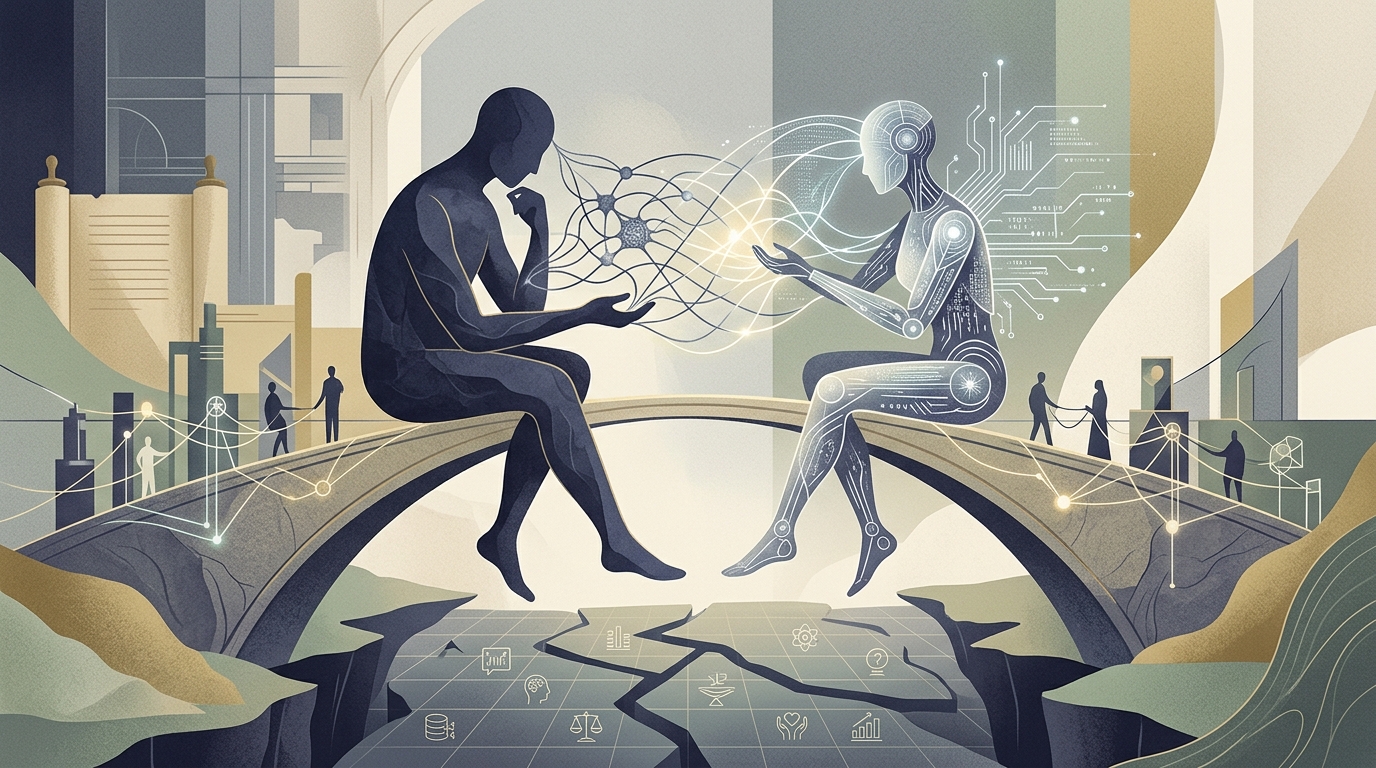
Instead of 'Artificial Intelligence,' Bastian prefers the term 'Augmented Intelligence.' This semantic shift is more than just a word game. It aims to highlight that technology is intended to help people—from pilots and engineers to ground staff—perform their duties with greater precision and safety, without replacing them.
Practical Application: How Delta Actually Uses Technology
Despite his aversion to the term, Delta is a pioneer in adopting advanced algorithms. The company utilizes what the rest of the world calls AI for flight optimization, fuel management, and predictive aircraft maintenance. For instance, Delta's systems analyze vast amounts of real-time weather data to suggest the safest and most efficient routes, reducing turbulence and delays.
- Predictive aircraft maintenance through fault-prediction algorithms.
- Route optimization to reduce the environmental footprint.
- Personalized customer service via smart digital assistants that facilitate ticket changes.
According to Bastian, the success of these tools lies in the fact that they remain 'invisible' to the passenger, improving their experience without constantly reminding them of the presence of a mechanical intellect. The focus remains on the human, with technology acting as the staff's 'right hand.'
Ethical Dilemmas and the Future of Work
Bastian's stance touches on a critical ethical issue: the responsibility of corporations to introduce technology in a way that does not devalue human labor. In the transportation sector, the fear of automation is palpable. By refusing to use the term 'artificial,' Delta's CEO sends a message to the company's 100,000 employees that their skills remain irreplaceable.
'Technology must serve the human, not the other way around. If people fear the tool, they will never use it to its full potential,' Bastian notes.
This approach contrasts with the 'religion' of Silicon Valley, where AI is often presented as an omnipotent force that will change everything. Delta chooses a more moderate path, recognizing that technological progress without social acceptance is destined for failure. In a rapidly digitizing world, maintaining the 'human touch' may prove to be the greatest competitive advantage for traditional industries.