In the rapidly evolving landscape of technology, few achievements can rival the meteoric rise of ChatGPT. OpenAI’s flagship platform, which debuted as an experimental chatbot in late 2022, has reportedly crossed the historic milestone of one billion monthly active users. This achievement is far more than a statistic on a balance sheet; it is a definitive confirmation that artificial intelligence has become inextricably woven into the fabric of our daily lives. However, this success is shadowed by a profound and unsettling paradox: the same society that voices deep-seated fears about job displacement, misinformation, and ethical erosion is the very one fueling the tool's growth at an unprecedented pace.
The Paradox of Mass Adoption
Why do people flock to a technology that many experts describe as an existential threat? The answer lies in immediate utility. ChatGPT is no longer a novelty for tech enthusiasts; it has become an indispensable assistant for students, developers, writers, and corporate executives. The ease with which it can compose prose, debug complex code, or synthesize vast datasets creates a dependency that consistently overrides ethical reservations.
- Content production speed has increased by up to 40% in sectors like digital marketing.
- Software developers report a 50% reduction in time spent on routine debugging tasks.
- Education is undergoing a radical transformation, with AI serving as a personalized, 24/7 tutor.
This 'utility trap' creates an environment where abstaining from AI usage equates to a voluntary loss of competitiveness. As one industry analyst poignantly noted: 'We don't fear ChatGPT itself; we fear the colleague who knows how to use it better than we do.'
Ethical Gray Zones and Military Integration
Reaching the one-billion-user mark brings the darker aspects of OpenAI’s trajectory into sharp focus. Recent reports regarding the integration of AI into military networks and collaborations with defense agencies have sparked a firestorm of criticism. OpenAI’s original promise of 'open and safe AI for the benefit of humanity' is being tested by harsh geopolitical realities. The subtle modification of terms of service—which previously prohibited military use—was viewed by many as a betrayal of the company’s founding ethos.
"Artificial intelligence is no longer a neutral tool; it is an instrument of power, and like any weapon, its impact is defined by those who hold the reins," digital rights activists argue.
Furthermore, the issue of intellectual property remains an open wound. Training models on massive datasets without the explicit consent of creators has led to legal battles that will redefine the future of the creative industries. Despite high-profile lawsuits from organizations like The New York Times, ChatGPT’s popularity continues to soar, suggesting that consumers prioritize convenience over deontological principles.
OpenAI as a New Geopolitical Entity
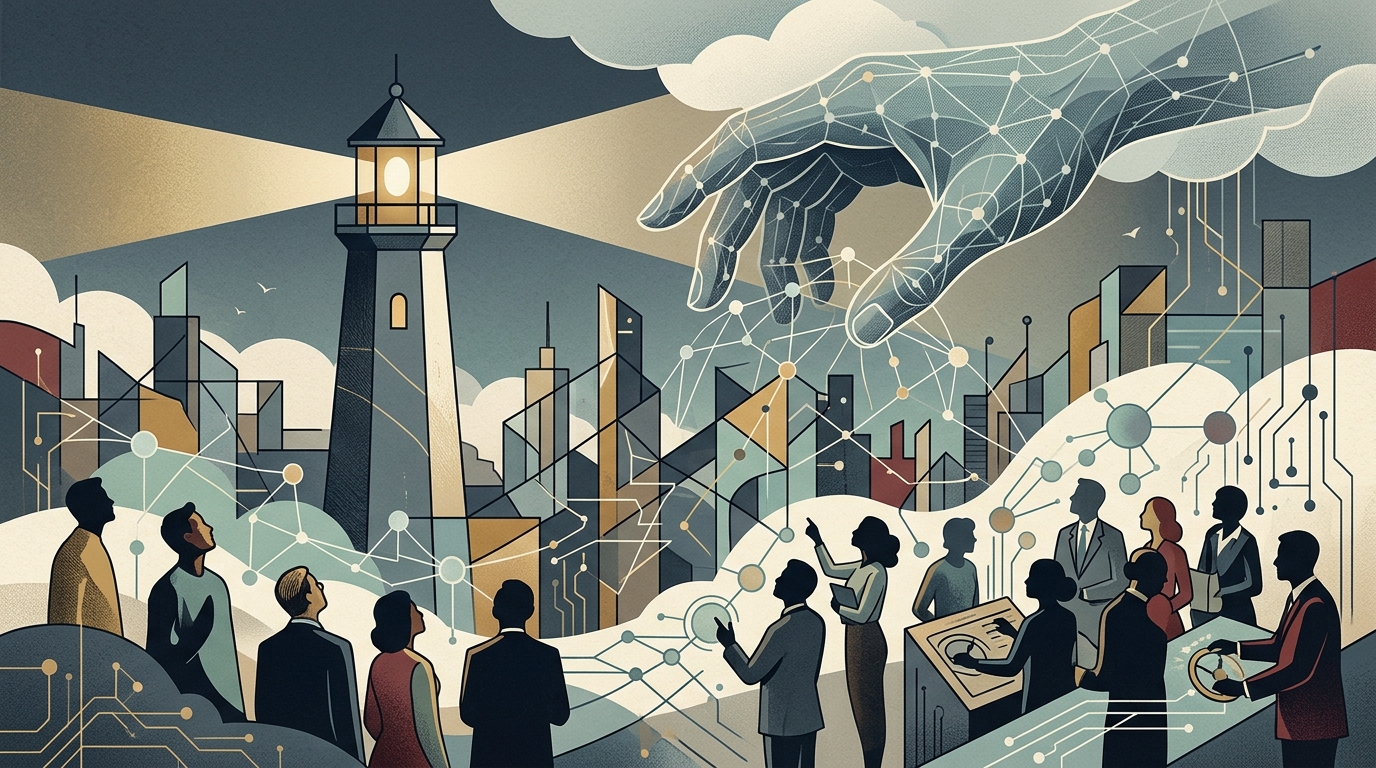
With a billion users, OpenAI has transcended the status of a mere software company; it is now a significant geopolitical actor. The influence it wields over public opinion and economic productivity is comparable to that of sovereign states. Sam Altman, the company’s CEO, engages with world leaders with the diplomatic weight of a head of state. Current debates over AI regulation, such as the EU’s AI Act, demonstrate that legislators are scrambling to govern a technology that has already outpaced traditional oversight mechanisms.
The question that remains is: where does this growth stop? The transition from GPT-4 to the anticipated GPT-5 promises even greater accuracy and 'intelligence,' yet it simultaneously intensifies fears regarding the total automation of human thought. Society stands at a crossroads where AI usage is simultaneously our greatest opportunity and our most significant threat.
Conclusion: A Relationship of Necessity
The milestone of one billion users for ChatGPT marks the end of the age of innocence for artificial intelligence. It is no longer a future promise but a present reality. The paradox of fear and usage will persist as long as the technology offers solutions that humans are increasingly unable to generate alone. The challenge for the future is not prohibition, but coexistence with an entity that we created, that we fear, but that we can no longer live without.