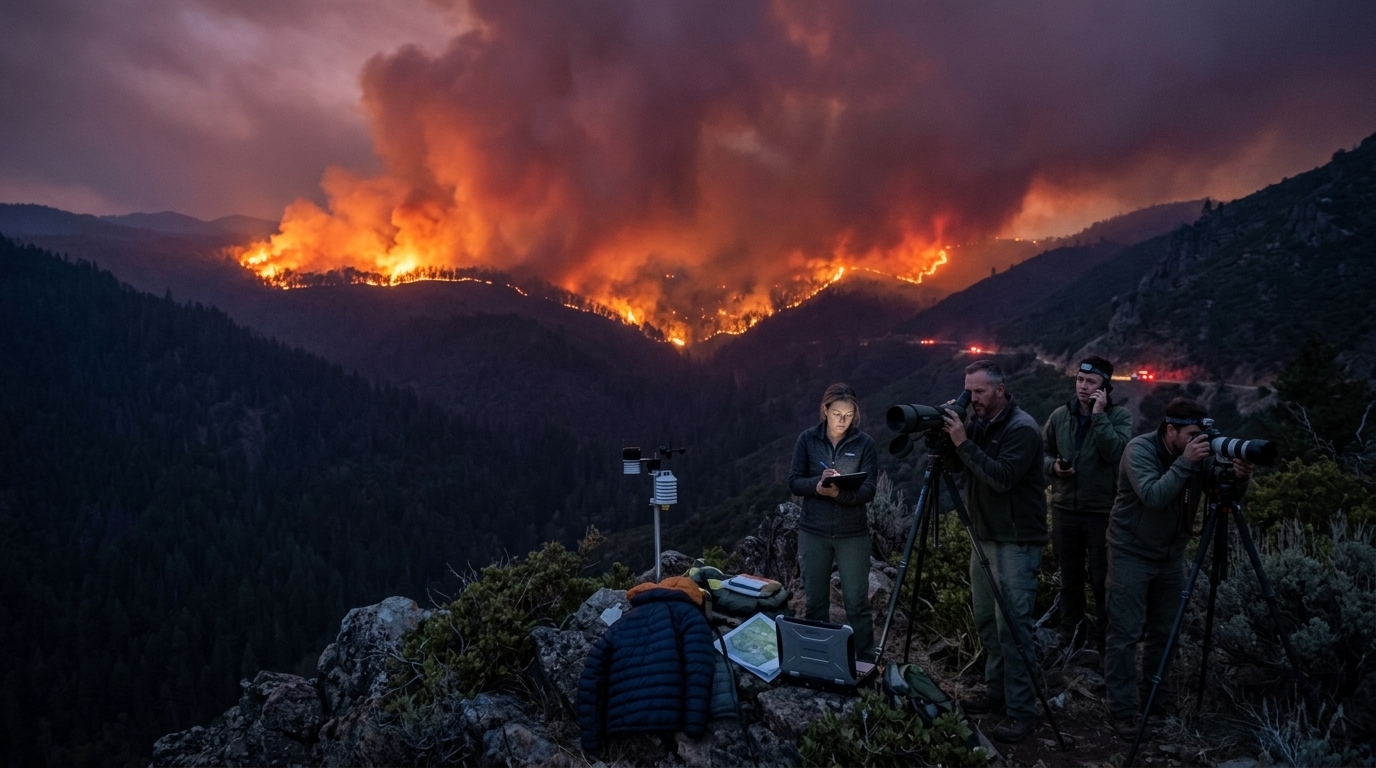
Humanity has always sought to predict the future, but rarely has it done so with such clinical cynicism as it does today. The rapid rise of prediction markets, led by platforms like Polymarket and Kalshi, has shifted the focus of betting from elections and sports to a chilling new frontier: natural disasters. Today, a user can bet "yes" or "no" on whether a California wildfire will consume more than 100,000 acres or if a hurricane will make landfall on a specific coastline.
The Mechanics of Profiting from Calamity
Prediction markets operate on the principle of the "wisdom of the crowd." Participants buy shares in an outcome, and the price of those shares reflects the probability of the event occurring. While proponents argue that these markets provide more accurate forecasts than scientific models—because participants have a financial incentive to be right—the ethical dimension is dark. When disaster becomes a commodity for speculation, human tragedy is reduced to a mere performance chart.
The primary argument in favor of these markets is risk management. A farmer or a business owner in a fire-prone area could, theoretically, use these platforms as a form of informal insurance (hedging). If the fire approaches, the profit from the bet could cover losses not addressed by traditional insurance. However, the line between risk mitigation and pure gambling is dangerously thin.
Moral Hazard and the Specter of Arson
The greatest fear for regulators and ethicists is "moral hazard." Unlike presidential elections, where a single player can hardly influence the outcome, a wildfire can be started or exacerbated by human hands. The existence of a multi-million dollar financial incentive for a fire to spread creates a nightmarish risk: betting-induced arson.
- Platforms like Polymarket operate on blockchain environments, making user identification difficult.
- Liquidity in these markets is growing, attracting capital seeking rapid returns.
- The lack of centralized control prevents the cancellation of bets in cases of criminal activity.
"When you turn a national tragedy into a casino, you don't just erode social cohesion; you create incentives for crime," industry critics argue.
Regulatory Pushback and the Future
In the United States, the Commodity Futures Trading Commission (CFTC) is engaged in a fierce legal battle to ban bets involving "events contrary to the public interest." Their position is clear: prediction markets should not become a place where people grow wealthy from death and destruction. However, the decentralized nature of cryptocurrencies makes enforcing such bans extremely difficult.
In Europe, the debate is still in its infancy, but strict gambling laws and the EU's environmental sensitivity will likely act as a brake. The question remains: Are prediction markets the ultimate truth-seeking tool in a world of fake news, or the final stage of a cynical capitalism that respects not even the ashes of our forests?
AI technology also plays a role, as algorithms can now analyze satellite data in real-time to give bettors an edge. This creates a new form of "information inequality," where those with access to advanced analytical tools profit at the expense of the less informed, exploiting the climate crisis itself.