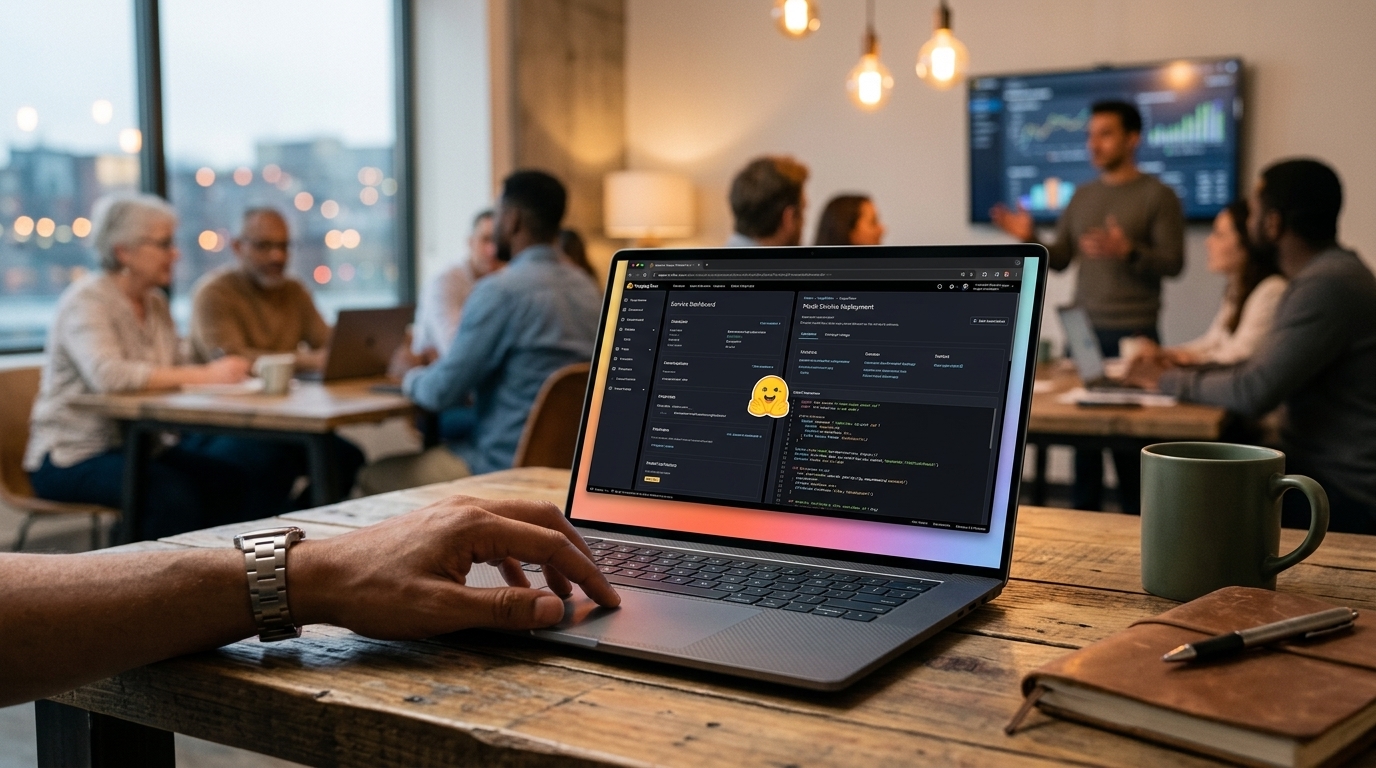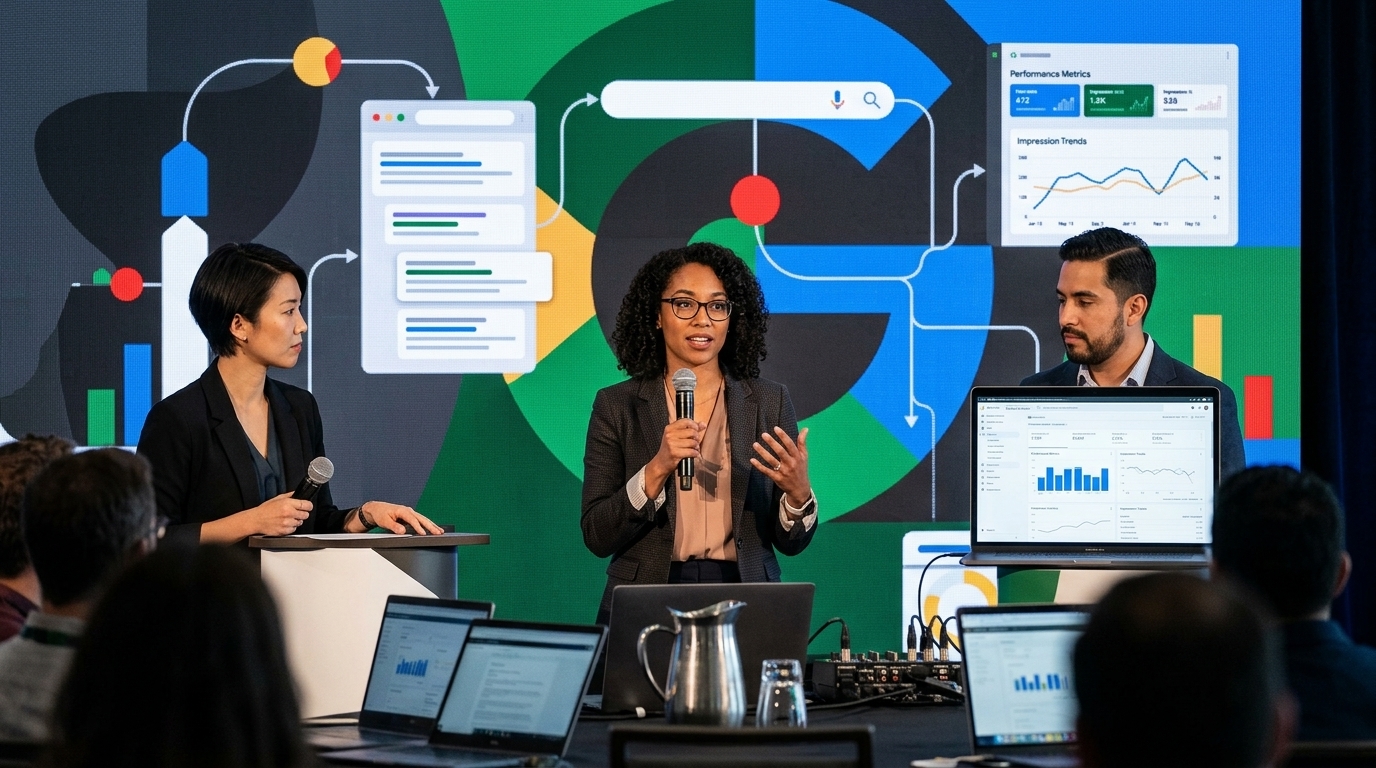
In a significant strategic move that reshapes the digital presence landscape, Google has announced the introduction of a new feature within Google Search Console (GSC) called "platform properties." This development marks the search giant's official recognition that the modern web no longer consists solely of independent domains and traditional websites, but of a fragmented ecosystem where content creators "reside" on third-party platforms like YouTube, Instagram, and TikTok.
Breaking Down Data Silos
Until now, Google Search Console has been the ultimate tool for website owners, providing granular data on how users discover their content through organic search. However, a massive "blind spot" existed: creators who rely exclusively on social media lacked access to similar analytics from Google's perspective. They had to depend on each platform's internal analytics, which rarely explained how someone ended up on their profile via a general Google search.
With platform properties, Google now allows creators to verify ownership of their profiles across various platforms and view aggregated data. This includes the number of impressions, clicks, and average ranking positions for specific search queries that lead users directly to a YouTube video or a TikTok page. This is an effort to unify information that was previously scattered and difficult to access.
The Threat of Social Search and Google's Response
This move is not accidental. In recent years, Google has faced stiff competition from platforms like TikTok, which the younger generation (Gen Z) increasingly uses as an alternative search engine. By providing creators with better tools to understand Google's value as a traffic source, the company is attempting to maintain its dominance as the internet's central hub.
- Content Optimization: Creators can now see which keywords drive people to their social media and adjust their titles or descriptions accordingly.
- Proof of Value: For influencers and marketers, this data serves as "hard currency" in negotiations with brands, proving their organic reach beyond the confines of a single app.
- Multi-platform Strategy: The ability to compare performance across different platforms within a single dashboard allows for a more holistic approach to digital marketing.
Technical Challenges and the Future of SEO
Implementing platform properties requires a new verification method, as creators do not have access to a platform's underlying code (e.g., they cannot upload an HTML file to Instagram). Google is working closely with major platforms to facilitate this process through APIs or linked accounts. This raises questions about data privacy and how willing companies like Meta or ByteDance will be to share more data with their direct competitor.
"Search is evolving from finding documents to finding people and experiences," says a Google Search executive. "We want creators to have the same visibility that traditional publishers have had for decades."
In conclusion, this move is an admission that the concept of a "website" has expanded. In the future, SEO will not just be about ranking a page, but about a creator's total digital entity. By offering these tools, Google ensures it remains indispensable in a world that is becoming increasingly decentralized and driven by video and social content.