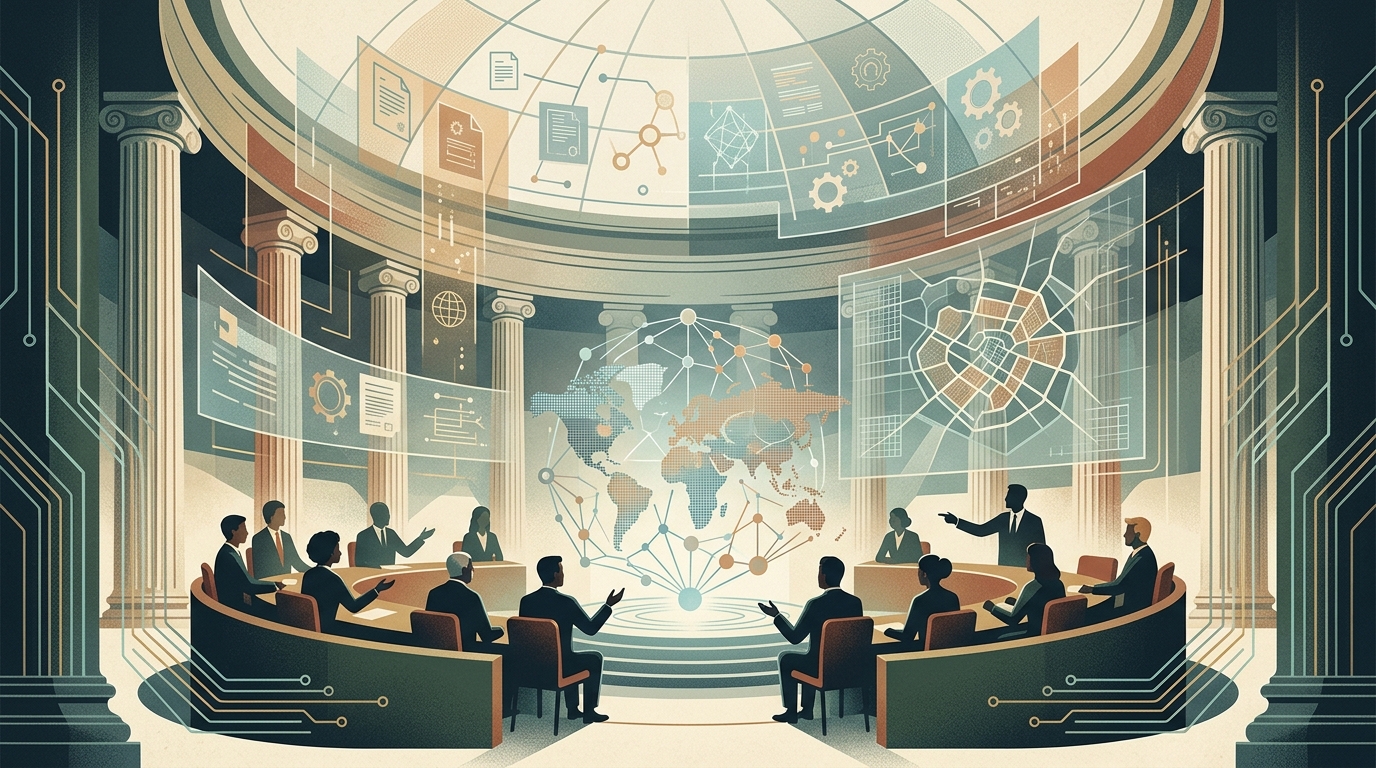
In the early days of 2026, Artificial Intelligence is no longer an exotic promise from Silicon Valley labs but an omnipresent reality. Yet, there is a problem that code and GPUs cannot easily solve: human suspicion. After years of warnings about job losses, "existential threats," and digital alienation, tech giants have launched an unprecedented advertising offensive. The goal? To make us "love" the algorithms, presenting them not as cold computing tools, but as creative partners and emotional facilitators.
The Strategy of "Artificial Intimacy"
Recent campaigns from Google, Microsoft, and Apple signal a radical shift in narrative. Instead of technical specs and processing speeds, we see children writing letters to their heroes with the help of AI, amateur photographers creating masterpieces, and the elderly connecting with their memories. Google's "Dear Sydney" ad during the Olympics was the most striking example of this trend. A father uses Gemini to help his daughter write a fan letter to track star Sydney McLaughlin-Levrone.
While the intent was to showcase AI as a tool for empowerment, public reaction was often negative. Many viewers felt that automating such a personal and authentic moment, like a child writing a letter, touched the edges of the "uncanny valley." The criticism was clear: there are some things AI shouldn't touch, and human expression is chief among them. Nonetheless, companies continue to pour billions into these narratives, betting that familiarity will eventually breed acceptance.
The Psychology of Trust and Rebranding
Why do companies insist on this emotional narrative? The answer lies in consumer psychology. Trust is the most valuable currency in the digital economy. When Apple introduced "Apple Intelligence," it studiously avoided the sci-fi connotations of "Artificial Intelligence," opting instead for an approach focused on personal utility and privacy protection. The strategy is clear: AI must feel like an extension of the self, not a foreign entity invading our lives.
- Smoothing over fear: Ads act as an "anesthetic" against concerns regarding human displacement.
- Creating necessity: By framing AI as essential for daily creativity, companies are forging new consumer habits.
- Hiding complexity: The focus on emotion distracts from ethical dilemmas such as energy consumption and unauthorized data usage.
The Ethics of Digital Manipulation
The question posed by sociologists and ethicists is whether these ads constitute a form of societal "gaslighting." While the imagery shows happy families, the industry's reality involves armies of low-paid workers in the Global South training these algorithms, as well as the massive environmental toll of data centers. The gap between the "clean," "magical" image in the ad and the material reality of AI production is vast.
"They aren't advertising a product; they are advertising a new worldview where human effort is optional," noted a prominent media analyst.
Ultimately, the battle for the consumer's heart will be decided not by how beautiful a 30-second spot is, but by whether the technology proves its worth in a way that does not undermine human dignity. Love cannot be manufactured through marketing; it must be earned through transparency and genuine contribution.