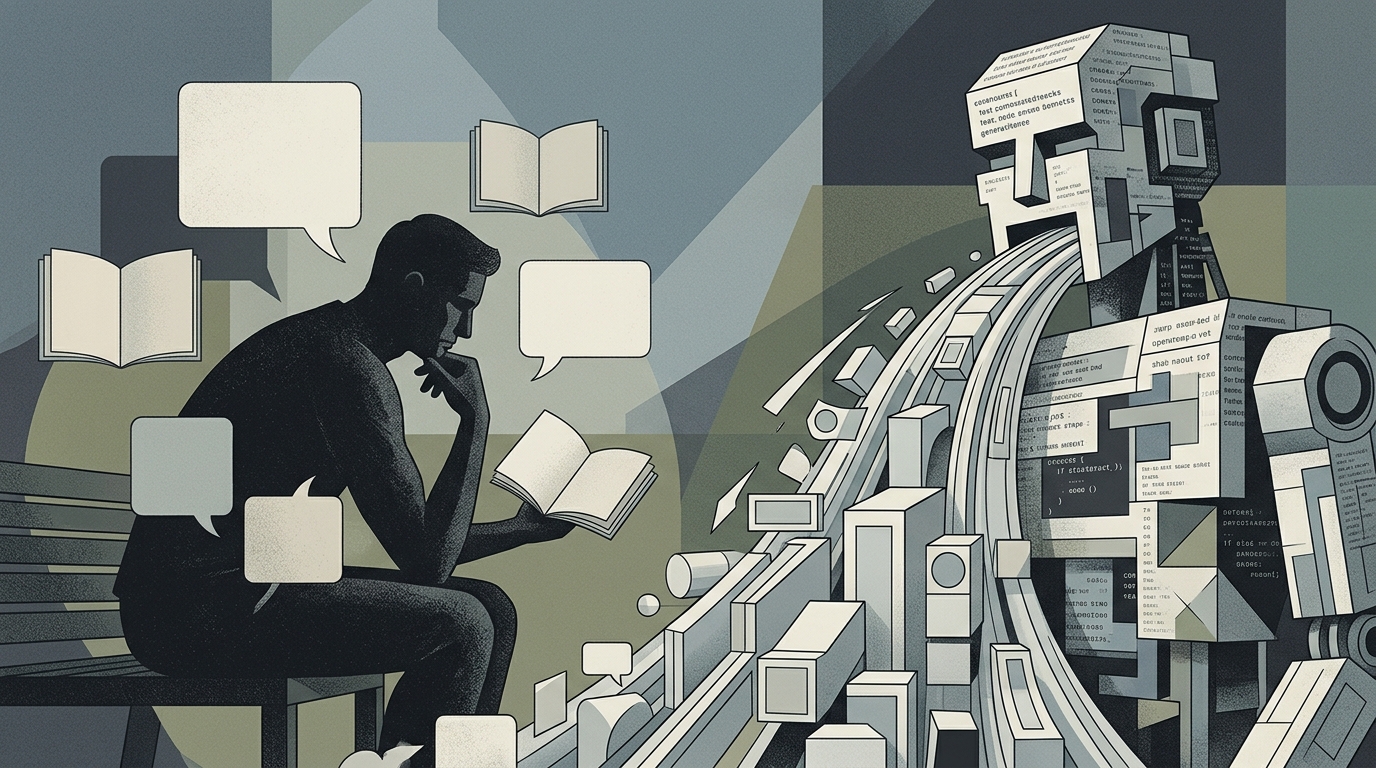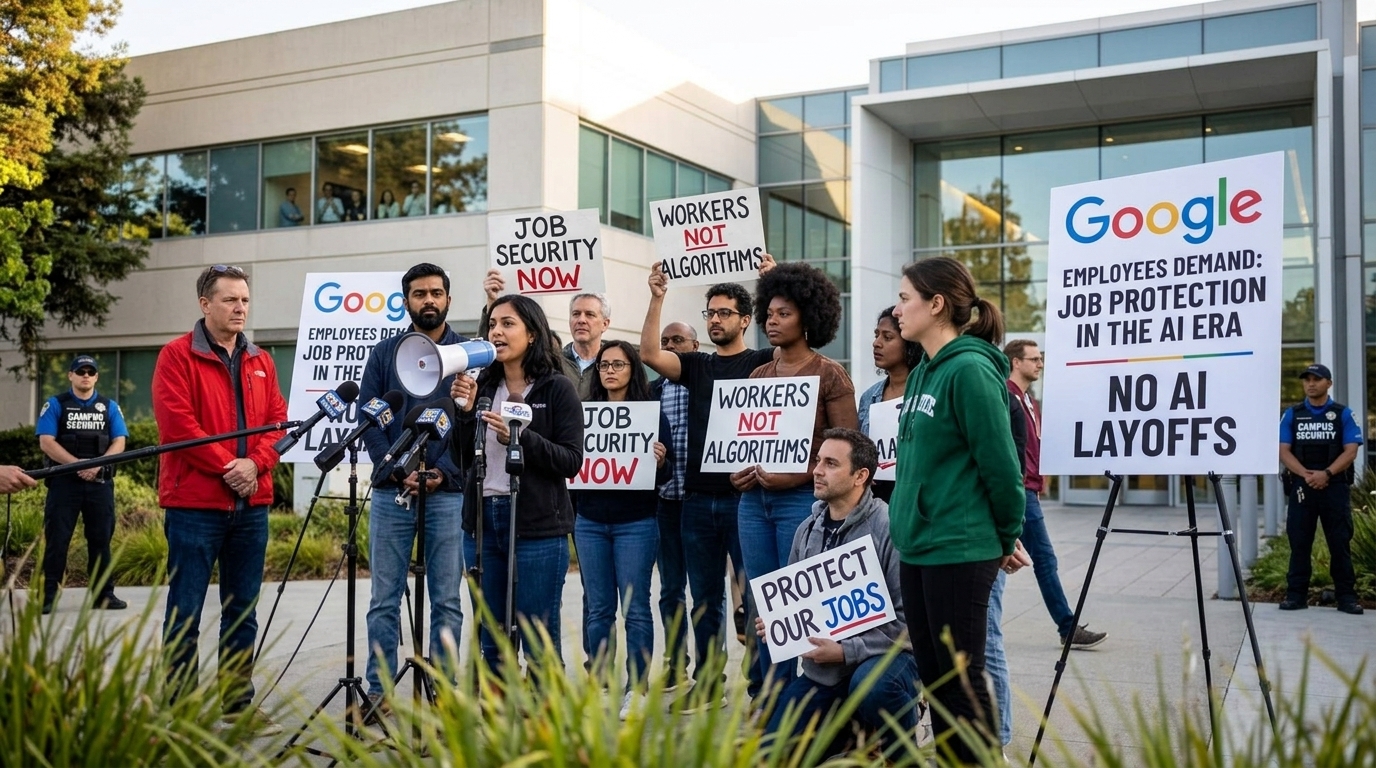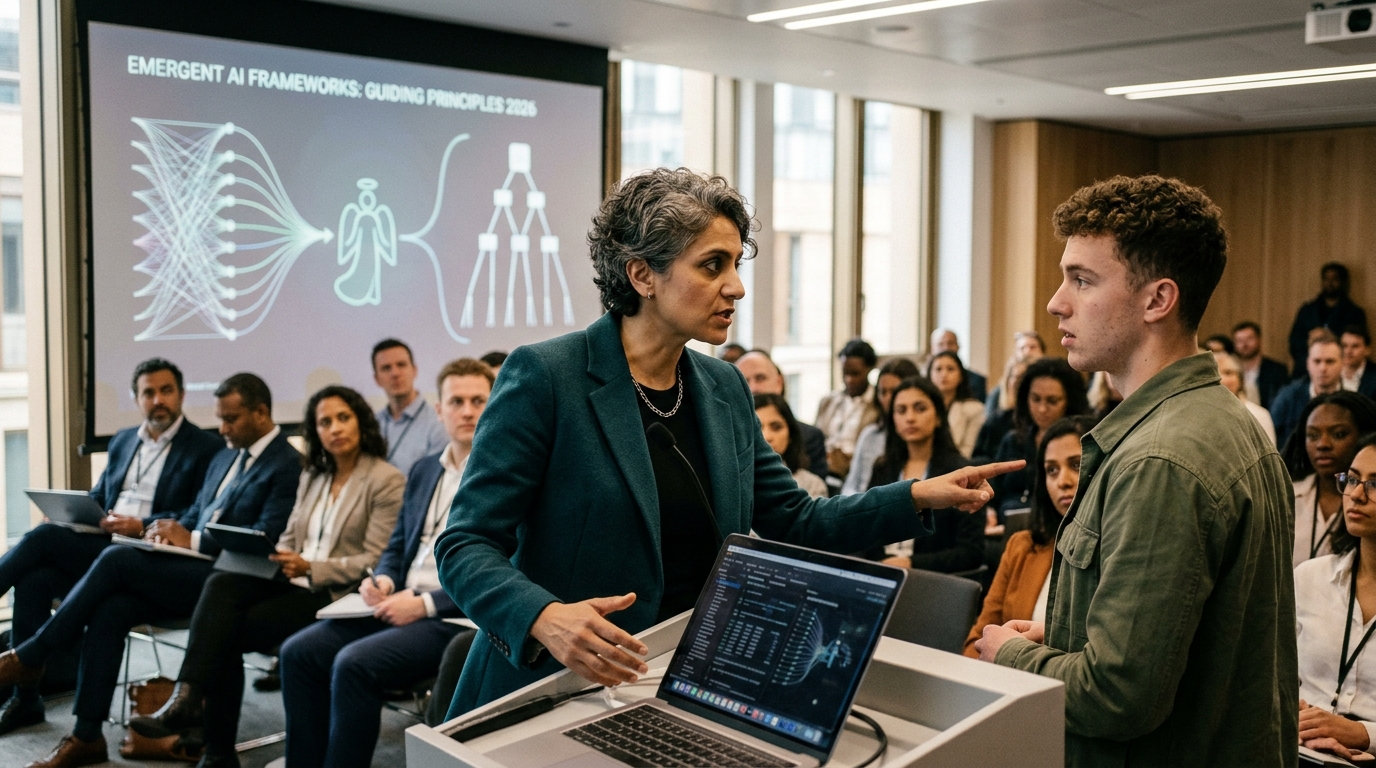
As we navigate the summer of 2026, the debate surrounding Artificial General Intelligence (AGI) has transitioned from a theoretical exercise for futurists into an immediate reality knocking on the doors of global economies and societies. The recent opinion piece in the Washington Post, provocatively titled "Build an Angel, Not a Demigod," strikes at the heart of the matter: What is the nature of the power we are attempting to harness? The metaphor of the "angel" versus the "demigod" is not merely poetic; it is a fundamental distinction between a technology that serves and a technology that dominates.
The Hubris of Silicon Valley and the Demigod Model
For years, the trajectory of major AI labs, from OpenAI to Google DeepMind, has been toward creating an "Oracle" or "God-like AI." This demigod model assumes an entity with unlimited access to knowledge, capable of solving any problem, but also of making decisions that transcend human understanding. The danger here is "hubris." When we build systems aiming for autonomy and omniscience, we are essentially creating a new digital sovereign. History and mythology have taught us that demigods are often fickle, unpredictable, and ultimately detached from the needs of mortals.
In the context of current geopolitical tensions, the pursuit of a demigod AI becomes a new arms race. States and corporations do not just want a tool; they want the ultimate advantage. However, the alignment of such a system with human values remains the greatest unsolved problem in computer science. How can you constrain something designed to surpass you at every level?
The Angelic Alternative: Constraint and Specialization
In contrast, the concept of the "angel" refers to an AI that is by definition protective, bounded, and service-oriented. An angel, in its biblical or philosophical sense, is a messenger and a helper. It has no agenda for power of its own. In technical practice, this means shifting toward "Narrow AGI" or systems that, while highly intelligent, operate within strictly defined ethical and functional boundaries.
- Transparency over Mysticism: AI angels must be explainable. Every decision must leave a trail that humans can follow.
- Specialized Protection: Instead of an AI that "knows everything," we need systems that protect privacy, truth, and the democratic process.
- Human-in-the-loop: Angelic AI does not replace human judgment but enhances it, acting as a tireless guardian against errors and biases.
Political Implications and Global Governance
The transition from the demigod model to the angel requires more than good engineering; it requires rigorous legislation. The European Union, with its latest revisions to the AI Act in 2026, seems to be moving in this direction, imposing restrictions on models that exhibit "systemic risk" due to excessive autonomy. However, pressure from the US and China to achieve "AI sovereignty" often undermines these efforts.
"We do not need a new God made of silicon. We need a mirror that reflects our best aspects and a shield that protects us from our worst."
In conclusion, the choice between an angel and a demigod is the choice between a technology that liberates us and a technology that enslaves us. Humanity must have the courage to set limits on its own creation, recognizing that true progress is not measured by processing speed, but by the ability to preserve human dignity in a world of machines.