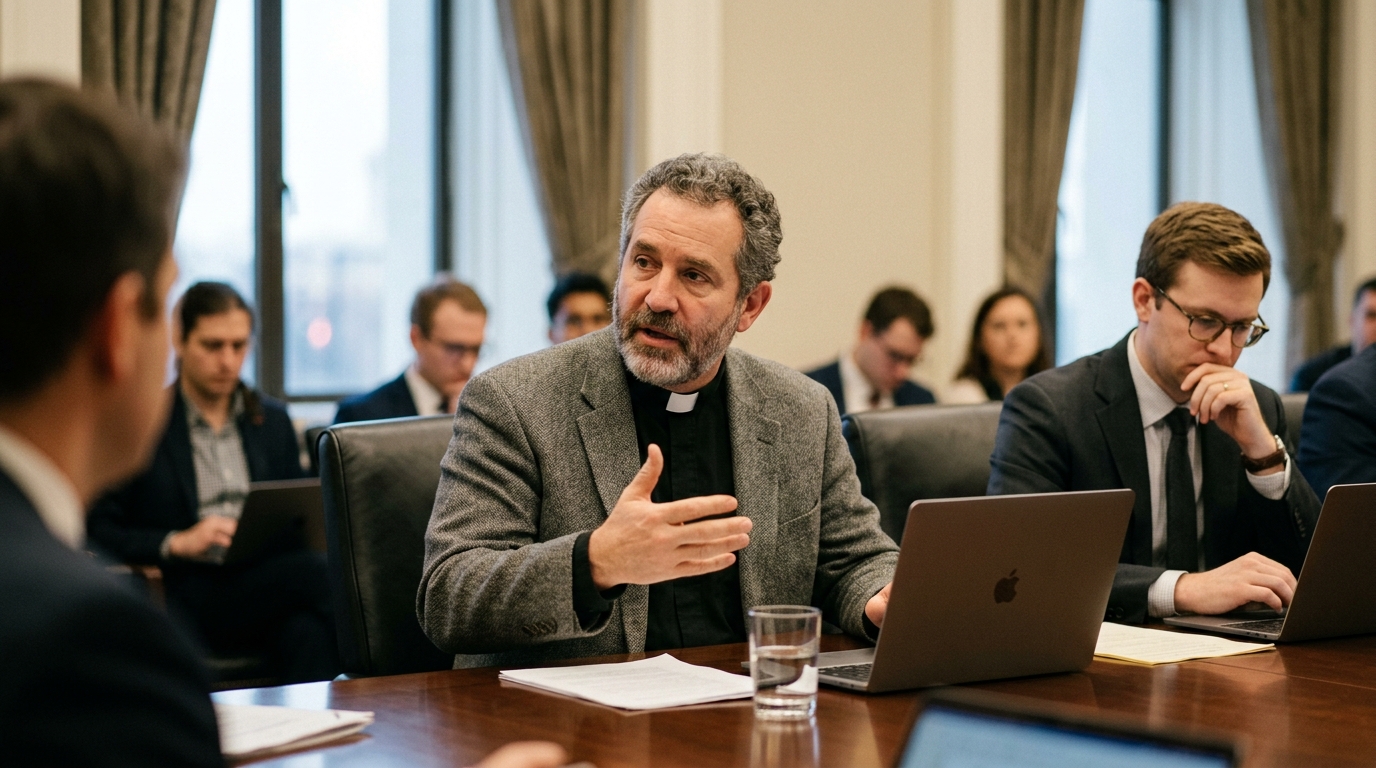
In the hallowed halls of the Vatican, where centuries of tradition meet theological inquiry, a new and unexpected dialogue is unfolding. Anthropic, the AI company that positions itself as the “ethical alternative” in the industry, has entered into a close engagement with the Holy See. At the heart of this alliance is the mitigation of AI harms—a move some hail as a necessary bridge between technology and humanity, while others denounce as a sophisticated form of ‘Vatican-washing.’
The Convergence of Silicon and the See: Why the Pope?
Pope Francis’s involvement in artificial intelligence issues is not a sudden development. As early as 2020, the Vatican spearheaded the “Rome Call for AI Ethics,” an initiative signed by giants like Microsoft and IBM. However, Anthropic’s approach carries a unique weight. Founded by former OpenAI executives, the company bases its model, Claude, on the concept of “Constitutional AI.” This method involves training the AI to adhere to a specific set of principles—a constitution—rather than relying solely on human feedback, which can be riddled with biases and inconsistencies.
For the Vatican, AI is not merely a tool but an existential challenge. Pope Francis, in his historic address to the G7 summit in 2024, introduced the term “algor-ethics.” He argued that algorithms should never replace human judgment, particularly in matters concerning life, death, and social justice. By seeking an alliance with the Pontiff, Anthropic is attempting to demonstrate that its own “constitutional principles” align with the universal human values championed by the Catholic Church.
The Phenomenon of ‘Vatican-washing’
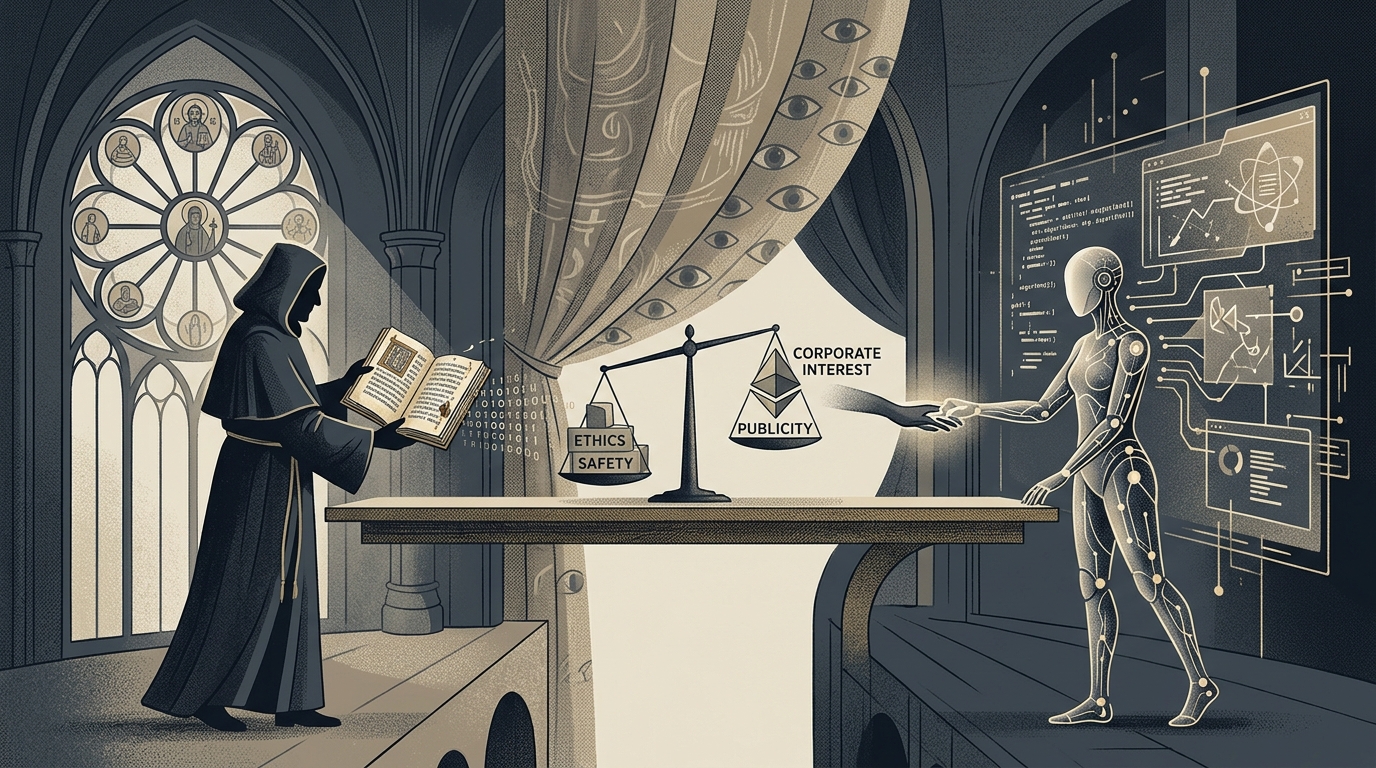
Despite the noble intentions declared, critics—most notably in a recent analysis by The Guardian—pose a critical question: Are AI companies using the Vatican’s moral authority to evade accountability? The term ‘Vatican-washing’ mirrors ‘greenwashing,’ where companies project an eco-friendly image to mask damaging practices. In Anthropic’s case, the critique suggests that seeking a “blessing” from religious leaders may serve as a shield against more stringent government regulations.
- Moral Legitimacy: Associating with the Pope provides a level of trust that no marketing budget can buy.
- Distraction: Focusing on distant, existential risks (like human extinction) may divert attention from immediate harms, such as intellectual property theft and the massive energy consumption of data centers.
- Regulatory Influence: Religious institutions hold immense sway over voters and policymakers, particularly in Europe and Latin America.
Dario Amodei, CEO of Anthropic, insists the partnership is substantive. He argues that to build AI that truly benefits humanity, we must listen to the voices that have studied human nature for millennia. Yet, the question remains: Who defines the AI’s “constitution”? If it is a closed group of engineers in Silicon Valley collaborating with a hierarchical ecclesiastical structure, where is the democratic participation?
The Political and Social Dimension
Anthropic’s move reflects a broader trend in the tech industry: the desperate need for a moral compass in a rapidly shifting world. The Catholic Church, with 1.3 billion followers, is a global player that cannot be ignored. When the Pope speaks on AI, governments listen. For Anthropic, this alliance is a strategic survival choice in a market dominated by OpenAI and Google. By positioning itself as the “pious” player, Anthropic targets an audience increasingly concerned about the alienation brought by technology.
“Artificial intelligence is both a gift and a responsibility. We cannot leave the future of humanity in the hands of profits and soulless algorithms,” Pope Francis has stated.
In conclusion, the alliance between Anthropic and the Vatican is a litmus test for the future of tech governance. If it results in a sincere effort to embed humanistic values into code, we might witness a new era of “responsible innovation.” However, if it remains a public relations exercise, ‘Vatican-washing’ will be recorded as yet another failed attempt by Silicon Valley to self-regulate through moral posturing.