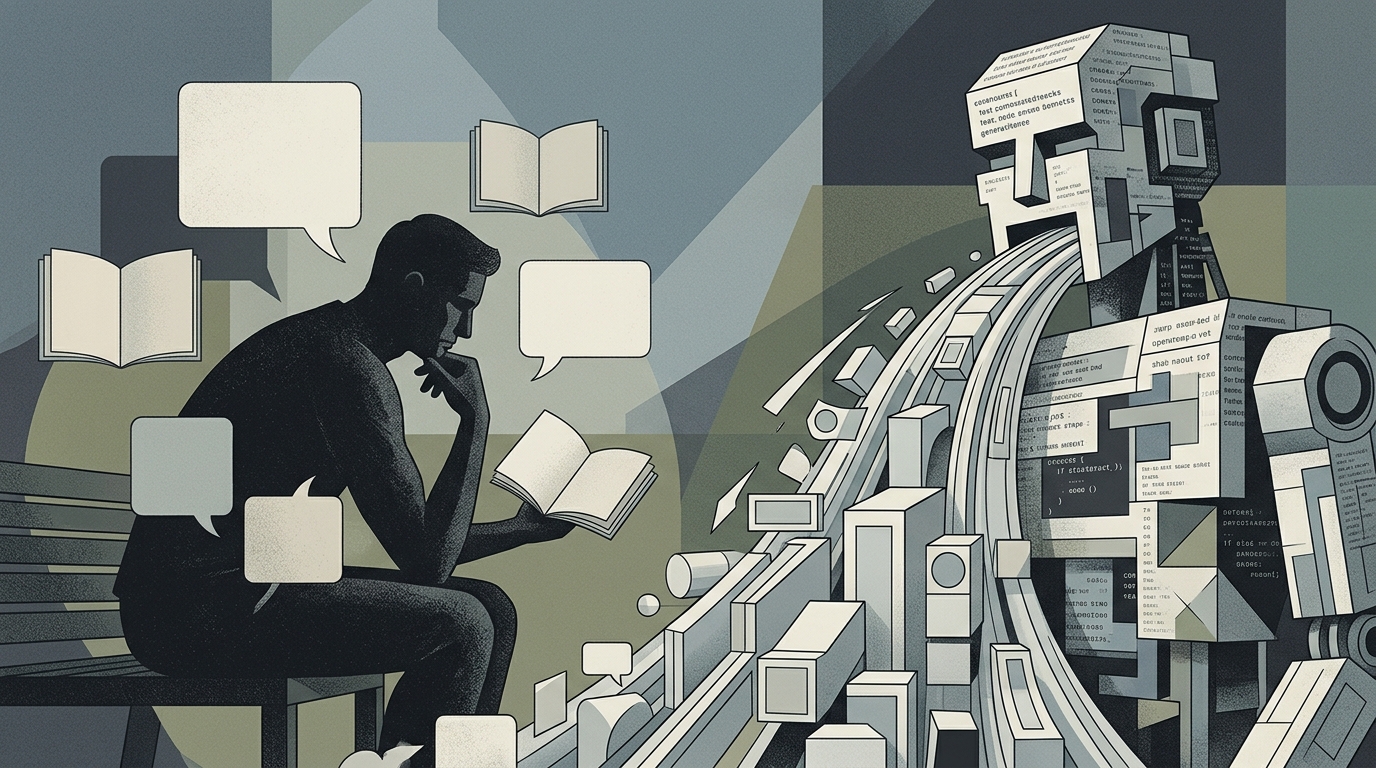
The revelation that Anthropic, a company that has built its entire brand on the pillars of safety and AI alignment, is investigating a potential security breach involving its specialized "Mythos AI" model has sent shockwaves through the tech industry. Mythos AI, a sophisticated model reportedly designed to assist in identifying software vulnerabilities, has allegedly been accessed by unauthorized parties, raising the terrifying prospect of a high-power AI tool being co-opted for offensive cyber warfare.
The Paradox of Defensive AI
Anthropic was founded by former OpenAI researchers with a singular mission: to build AI that is helpful, honest, and harmless. Their methodology, known as Constitutional AI, aims to encode human values directly into the model's decision-making process. However, the existence of Mythos AI highlights a fundamental paradox in cybersecurity: to build a shield, one must understand the sword. Mythos is a dual-use technology—a tool that can identify a security flaw to fix it, or exploit that same flaw to cause systemic collapse.
According to reports first detailed by The Guardian, the breach occurred within a testing environment where Mythos was being evaluated for its ability to automate the discovery of zero-day exploits. The concern is not merely that data was stolen, but that the model's specialized capabilities—its "intelligence" regarding software architecture—could be leveraged by rogue actors or state-sponsored hacking groups.
The Mechanics of AI-Enabled Hacking
The potential misuse of Mythos AI represents a paradigm shift in the threat landscape. Traditional hacking requires significant human capital and time. AI changes the economics of cybercrime by:
- Automating the analysis of millions of lines of code to find obscure logic flaws.
- Generating polymorphic malware that can rewrite its own signature to evade detection.
- Conducting hyper-personalized phishing campaigns at a scale previously thought impossible.
"If a model like Mythos has been compromised, we aren't just looking at a data leak; we are looking at the proliferation of a digital weapon that doesn't sleep and scales infinitely," says a senior cybersecurity fellow at the Brookings Institution.
Corporate Accountability and the Regulatory Vacuum
This incident arrives at a critical juncture for AI regulation. While the US Executive Order on AI and the EU AI Act provide frameworks for safety, they rely heavily on self-reporting and corporate transparency. Anthropic’s investigation will be a litmus test for the industry. Can a private corporation be trusted to safeguard technologies that have national security implications? Or is the "black box" of proprietary models inherently too risky for public safety?
Anthropic has stated that it is conducting a thorough forensic audit. "We take these reports with the utmost seriousness," a spokesperson said. "Our commitment to safety means that we must be the first to identify and mitigate any risks associated with our research environments." Yet, for many critics, the incident proves that even the most safety-conscious firms are not immune to the traditional pitfalls of digital security.
The Geopolitical Stakes
In the current geopolitical climate, the theft or unauthorized use of AI models is akin to the theft of nuclear blueprints. If Mythos AI's capabilities were to fall into the hands of adversarial nations, the balance of power in cyberspace could shift overnight. The ability to automate the dismantling of critical infrastructure—power grids, financial systems, and communication networks—is no longer the stuff of science fiction.
As the investigation continues, the tech world is watching closely. The outcome will likely dictate whether future AI development becomes even more siloed and secretive, or if it triggers a push for international treaties on the non-proliferation of offensive AI models. For Anthropic, the stakes couldn't be higher: their reputation as the ethical alternative to Silicon Valley's "move fast and break things" culture is on the line.
The Road Ahead: Securing the Weights
The industry must now pivot toward "model weight security." Unlike traditional software, once an AI model's weights are leaked, they cannot be "patched." The model exists forever in its compromised state. This investigation serves as a wake-up call that the physical and digital perimeters around AI labs must be as secure as those surrounding military installations. The era of AI innocence is over; the era of AI armament has begun.