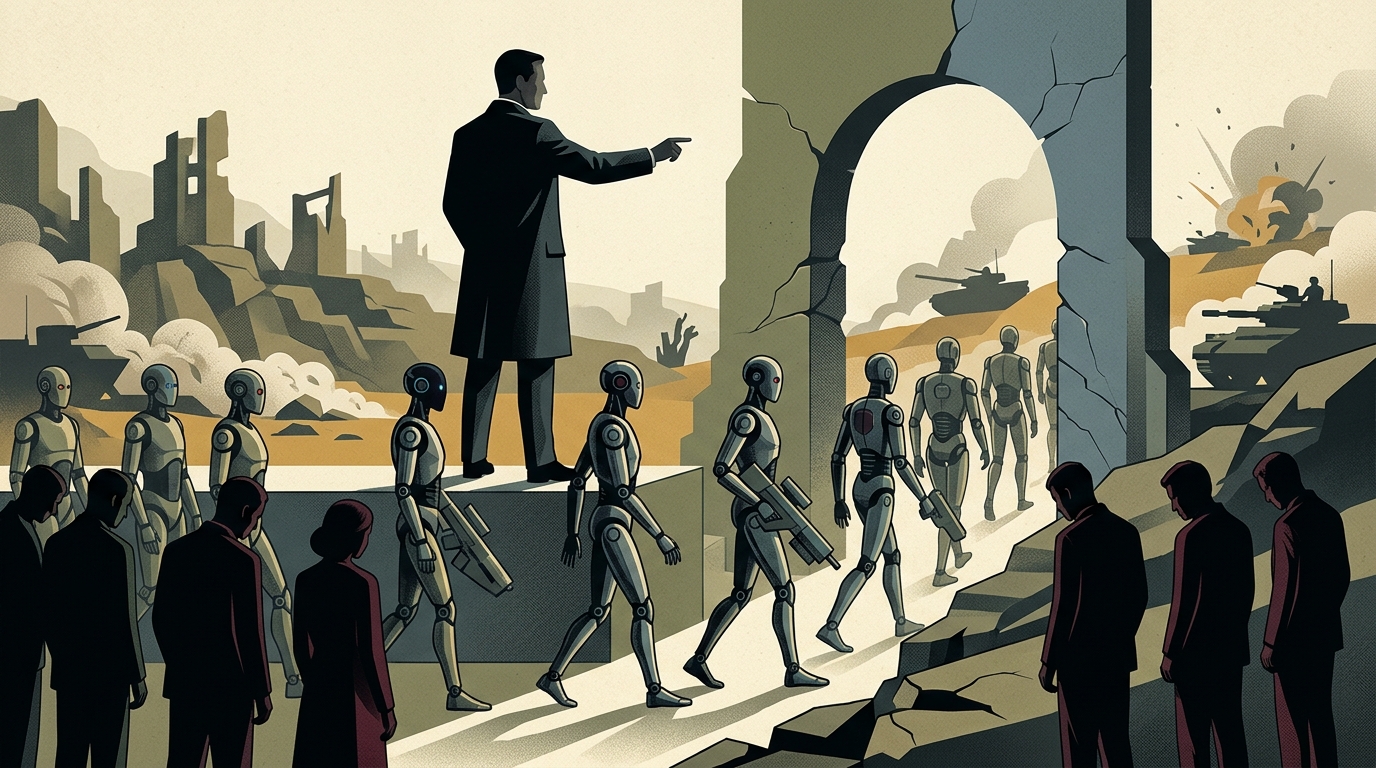
In an era where Silicon Valley’s titans promise an algorithmic utopia, American public opinion appears to be charting a different course. Despite the rapid integration of Artificial Intelligence (AI) into daily life—from the workplace to personal entertainment—a profound sense of anxiety and pessimism is permeating U.S. society. The initial wonder sparked by large language models has transitioned into a stark realization of the uncertainties surrounding the future of labor, the authenticity of information, and the preservation of human agency.
The Erosion of Trust and the Specter of Displacement
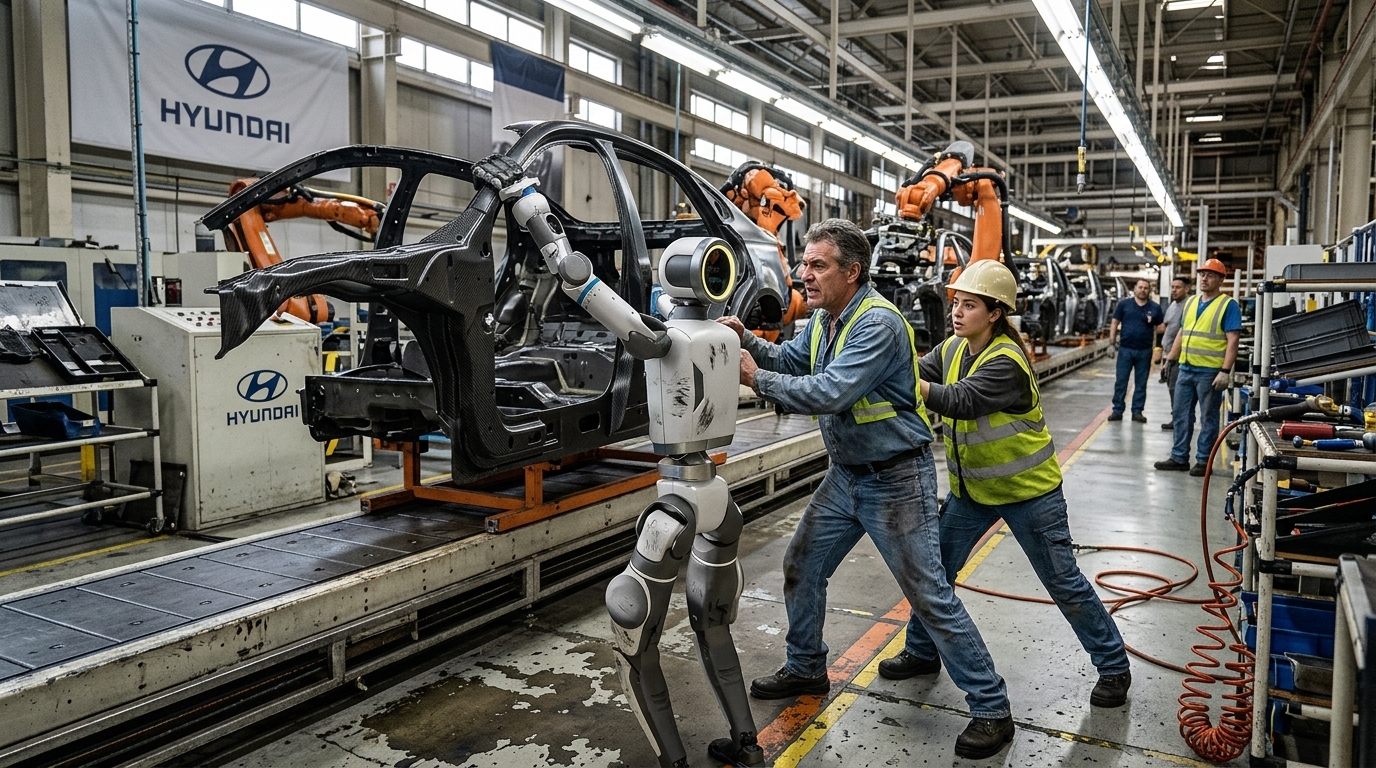
The primary driver of American pessimism is no longer the sci-fi trope of a "machine uprising," but the far more grounded threat of economic displacement. According to recent data highlighted by energia.gr, a significant portion of Americans believe AI will lead to wage stagnation and job loss, impacting not just manufacturing but also traditionally "safe" white-collar professions. The absence of a robust social safety net in the United States exacerbates this fear, as reskilling remains more of a corporate buzzword than a viable state strategy.
Furthermore, the concentration of power within a handful of tech conglomerates fuels deep-seated skepticism. Citizens increasingly feel that decisions affecting their lives are being made within algorithmic "black boxes," devoid of transparency or accountability. The perception that technology is being developed "for us, without us" fosters a sense of alienation. Ethical dilemmas regarding the use of personal data to train models without the consent of creators have, in the eyes of many, transformed AI from a tool of progress into a tool of exploitation.
The Crisis of Truth in the Digital Age
Beyond economics, pessimism is fueled by the collapse of a shared objective reality. With the advent of sophisticated deepfakes and automated disinformation campaigns, Americans are reporting heightened concerns regarding the integrity of democratic institutions. In a nation already fractured by political polarization, AI acts as a distrust accelerator. When nothing can be definitively verified as true, the fabric of social cohesion begins to fray.
- The increasing difficulty in distinguishing between human and synthetic creation.
- The use of algorithms to manipulate consumer behavior and political leanings.
- The ethical implications of autonomous decision-making in critical sectors like justice and healthcare.
This "cognitive fatigue" leads many to reject AI innovations wholesale, viewing them as an inevitable yet dystopian evolution. The regulatory vacuum in Washington, which often appears to be lagging behind technological shifts, intensifies this insecurity. Citizens do not see a government protecting their interests; instead, they perceive an establishment that either fails to grasp the technology or is too closely aligned with Big Tech interests.
From Fear to Agency: Is There a Way Back?
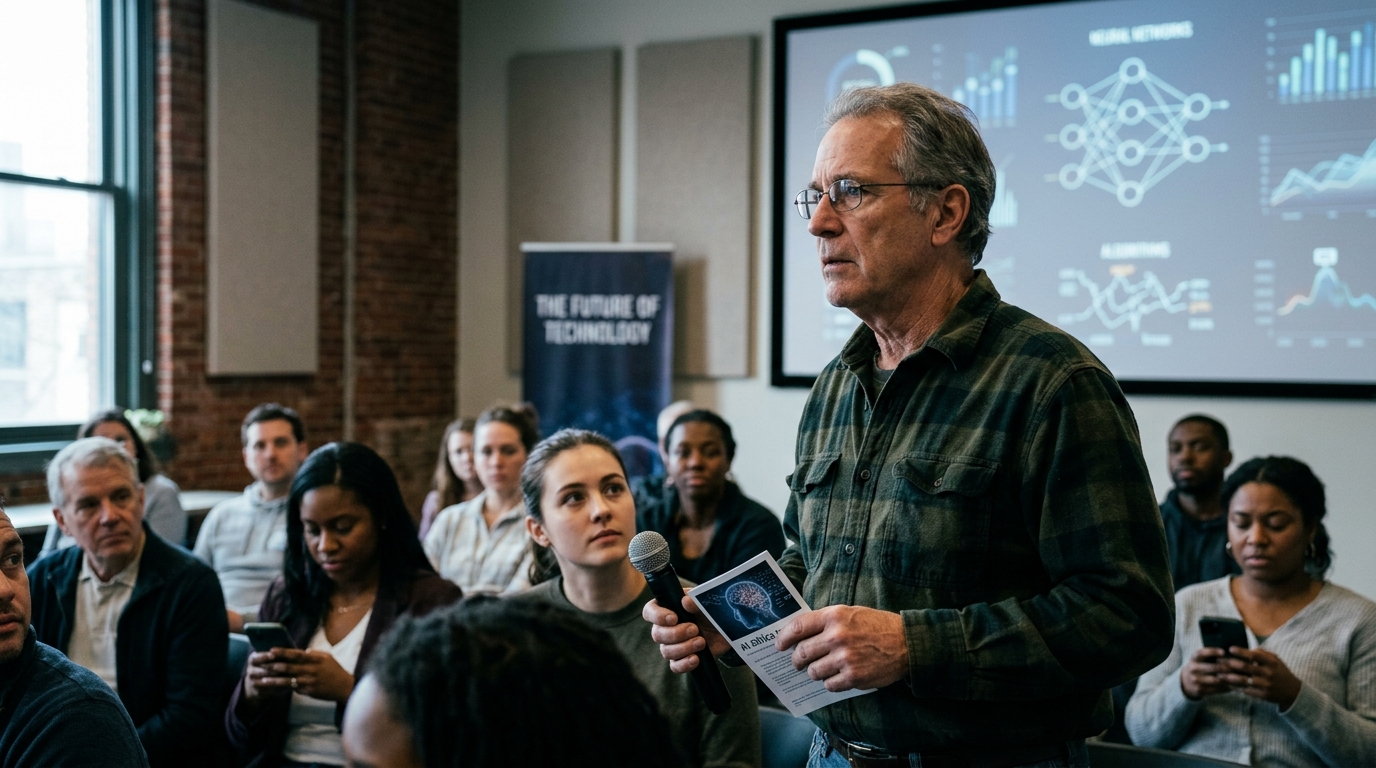
Despite the prevailing gloom, analysis suggests that this pessimism is not necessarily a rejection of technology itself, but a demand for ethical commitment. Americans are calling for stricter deontological frameworks and greater participation in shaping the digital future. Moving from a "technology of surveillance" to a "technology of empowerment" requires a radical paradigm shift in how corporations approach innovation.
"Artificial Intelligence is not a natural disaster we must endure, but a human creation we must direct," argue leading ethics experts.
In conclusion, American pessimism serves as a warning to the rest of the world. If AI development continues to ignore the social and ethical concerns of the citizenry, the gap between technological advancement and societal acceptance will continue to widen, threatening to negate the very benefits this new industrial revolution promises to deliver.