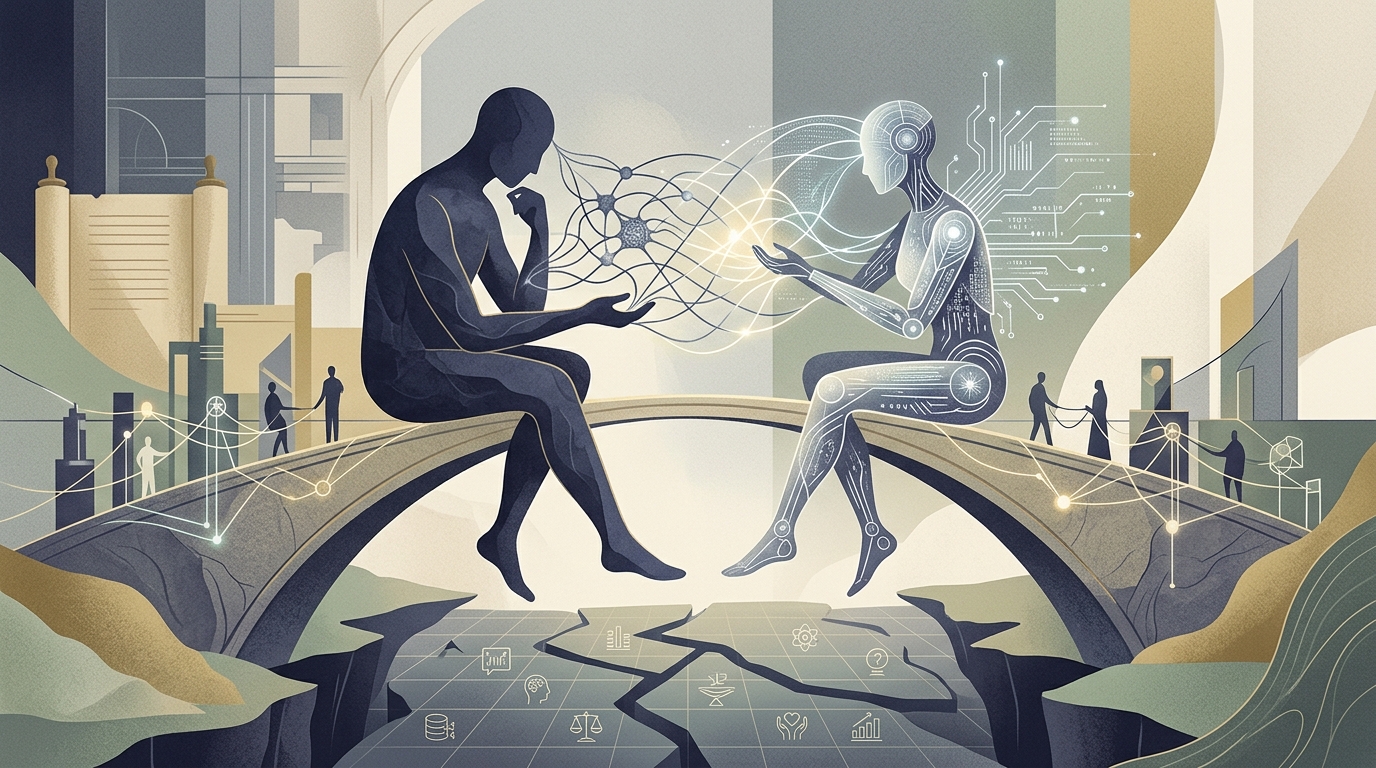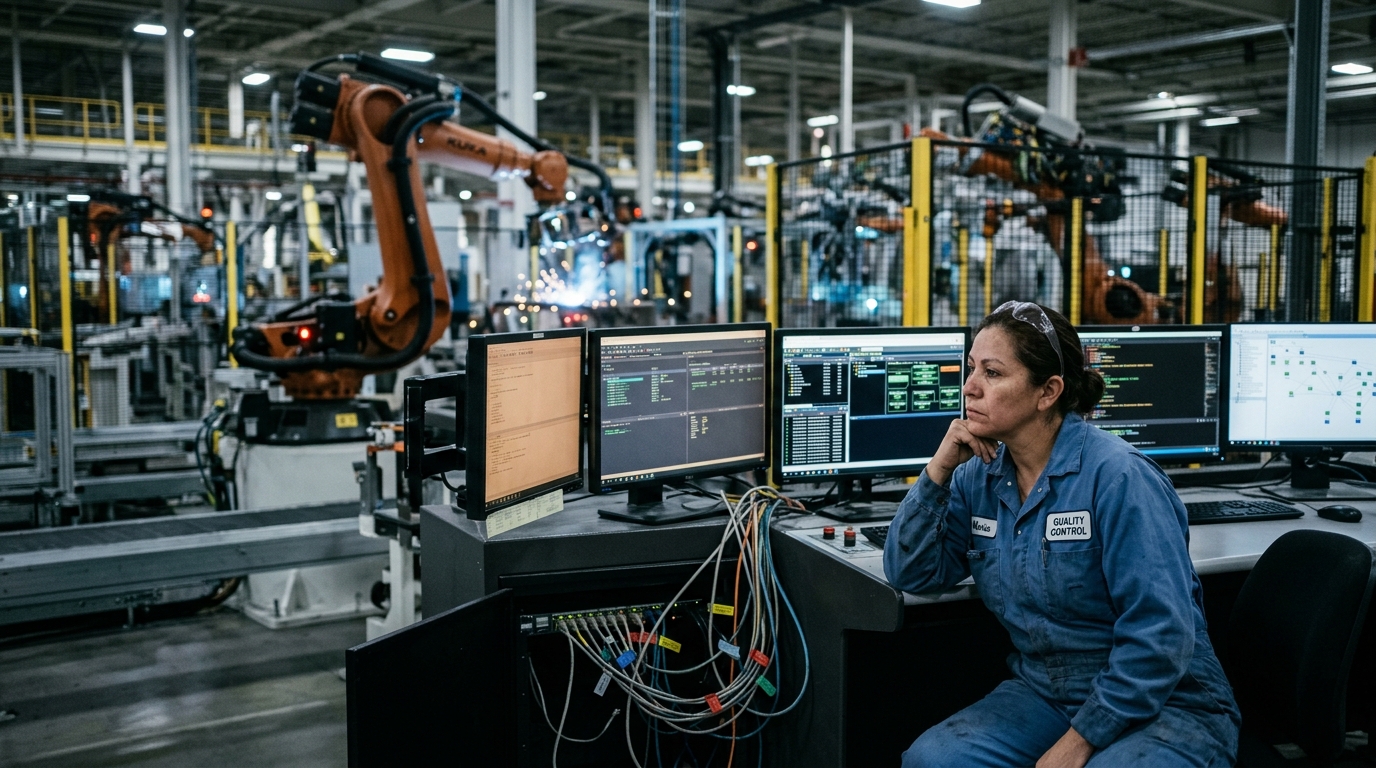
The Fourth Industrial Revolution, or Industry 4.0, has long promised a new era of unprecedented efficiency, where factories operate with minimal human intervention, guided by algorithms that predict failures before they occur. However, as we move through May 2026, the reality on the shop floor is proving far more complex. The rapid adoption of Artificial Intelligence (AI) is not just bringing optimization; it is creating a series of "unseen" vulnerabilities that threaten the very backbone of global manufacturing.
The Collision of Legacy and Innovation
The core of the problem lies in the integration of modern AI models into infrastructure that is often decades old. Many factories still rely on legacy control systems designed long before the internet became a ubiquitous industrial tool. When these systems are connected to advanced neural networks for data analysis, a hybrid environment is created where security gaps multiply. AI requires data flow, and this flow often necessitates opening ports in networks that were previously air-gapped and isolated from the outside world.
Cyberattacks are no longer limited to data theft or encryption for ransom. In a manufacturing context, a "data poisoning" attack can mislead an AI into perceiving a faulty production line as functional, leading to mass product recalls or, worse, catastrophic industrial accidents. The inherent complexity of deep learning models makes it extremely difficult to detect such subtle manipulations in real-time, as the AI's decision-making process often remains a "black box" to human operators.
Ethics and Accountability in the Machine Room
Beyond technical risks, a critical ethical dilemma is emerging: who is responsible when AI fails? In traditional manufacturing, the chain of accountability was clear-cut. Today, if an AI-controlled robotic arm injures a worker due to a flawed predictive algorithm, the legal and moral responsibility is diffused among the robot manufacturer, the AI software developer, and the factory management. This ambiguity creates a dangerous security vacuum, as companies tend to place blind trust in algorithmic outputs without maintaining sufficient human-in-the-loop oversight.
- Data Poisoning: The injection of malicious data to corrupt AI decision-making processes.
- Adversarial Attacks: Minor, undetectable environmental changes that confuse AI sensors.
- Third-Party Dependency: Reliance on external AI cloud services, creating vulnerabilities to network outages or vendor breaches.
The Need for a New Security Architecture
To mitigate these risks, the industry must transition from mere "AI adoption" to "responsible and secure integration." This means cybersecurity can no longer be an afterthought; it must be baked into the design of every algorithm. The EU AI Act, now in full force in 2026, mandates strict controls on high-risk systems, including industrial infrastructure. However, legislation alone is insufficient. A cultural shift is required, where production engineers and IT specialists work in tandem to understand the limitations and failure modes of the technology they deploy.
"Deploying AI in modern factories is like putting a Formula 1 engine in an old wooden ship. If you don't reinforce the hull, the engine will eventually tear it apart," notes a senior industrial safety analyst.
In conclusion, the path toward the smart factory is inevitable, but the risks are tangible. Industrial leaders must recognize that the greatest vulnerability is not a lack of technology, but an overreliance on systems they do not fully comprehend. Transparency, continuous staff training, and investment in "defensive AI" are the only tools that can ensure the next industrial revolution does not collapse under the weight of its own innovations.