In an era where technology has permeated every aspect of our daily lives, the most personal and human process—the search for a partner—could not remain unaffected. The rise of generative AI tools has created a new reality in digital dating, where "flirting" is no longer just a matter of chemistry, but also of effective prompting. From Tinder to Bumble, platforms are integrating features that help users write the perfect bio, select the most attractive photos, or even compose the ideal icebreaker.
The Digital Cyrano de Bergerac
The use of AI in flirting strongly echoes the story of Cyrano de Bergerac, where someone else lends their words to charm an object of desire. Today, apps like "Rizz AI" or "YourMove.ai" promise to eliminate the awkwardness of the initial approach. Users upload a screenshot of their conversation, and the AI suggests the next clever response. But this raises a crucial question: Who is actually doing the flirting? If a first impression is the product of an algorithm, what happens when the couple meets in person, without the help of a screen?
Reliance on these tools can lead to a form of "social atrophy." The ability to handle rejection, improvise, and express vulnerability are fundamental elements of the human experience. When we outsource these functions to a machine, we risk losing the ability to connect authentically. Psychologists warn that the constant pursuit of "perfect" communication reduces our tolerance for human errors, which are often the very things that create real intimacy.
The Commodification of Charm
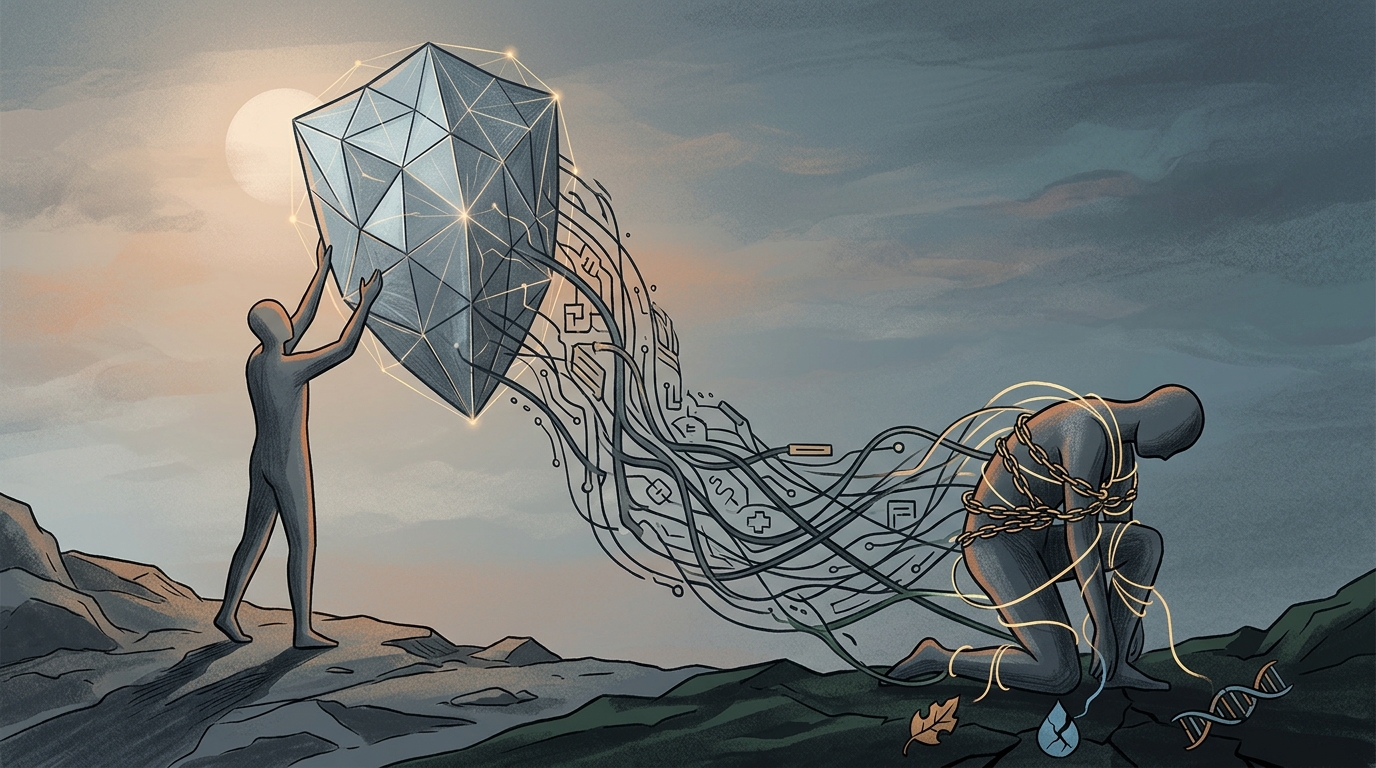
Beyond the ethical dimension, there is a clear economic one. Dating app companies see AI as the next big step for increasing their revenue. The promise of "better matches" and "more effective flirting" translates into premium subscriptions. However, the irony is that the same technology promising to bring us closer may isolate us further. If everyone uses AI to appear smarter, funnier, or more charming, then the digital dating environment turns into a parade of bots talking to other bots.
- AI can boost the confidence of introverted individuals by providing a starting point for conversation.
- There is a risk of "digital catfishing," where the personality presented online does not match reality.
- Algorithms tend to reproduce stereotypes of what is considered "attractive," limiting diversity in expression.
The Ethics of Authenticity in the Digital Age
The question "will we forget how to flirt?" is not rhetorical. Flirting is a skill honed through practice. If AI takes over the difficult task of initiating a relationship, people may find themselves unprepared for the real challenges of a partnership. Authenticity is the "currency" of love, and AI, by its nature, is artificial. Perhaps the solution is not the complete rejection of technology, but its use as a tool for self-improvement rather than a substitute for personality.
"Artificial intelligence can write a poem, but it cannot feel its heart beat faster when meeting someone for the first time."
In conclusion, the future of flirting in the AI era will depend on how much value we place on our truth. If we use technology to hide our flaws, we will end up with perfect but empty relationships. But if we use it to overcome communication barriers while maintaining our essence, then perhaps AI will become the assistant, rather than the replacement, of the human heart.