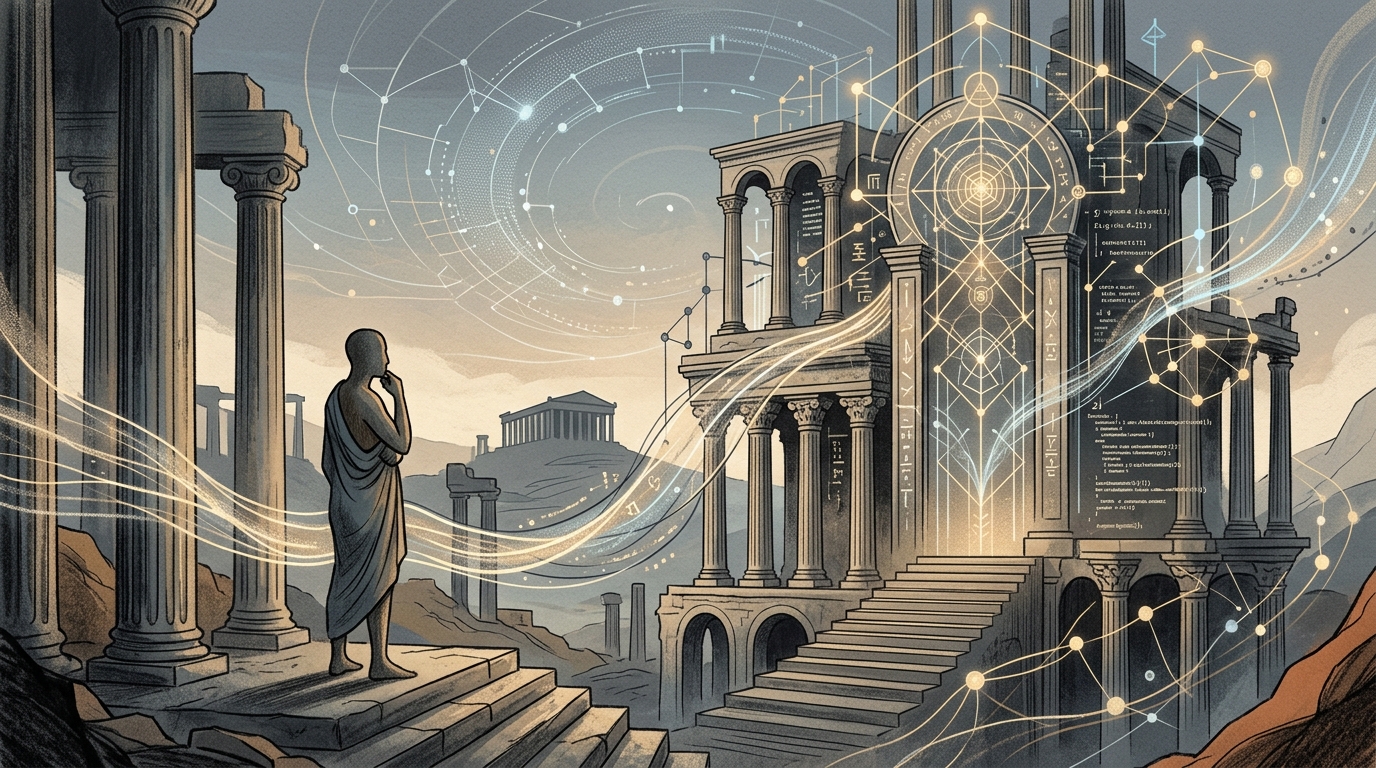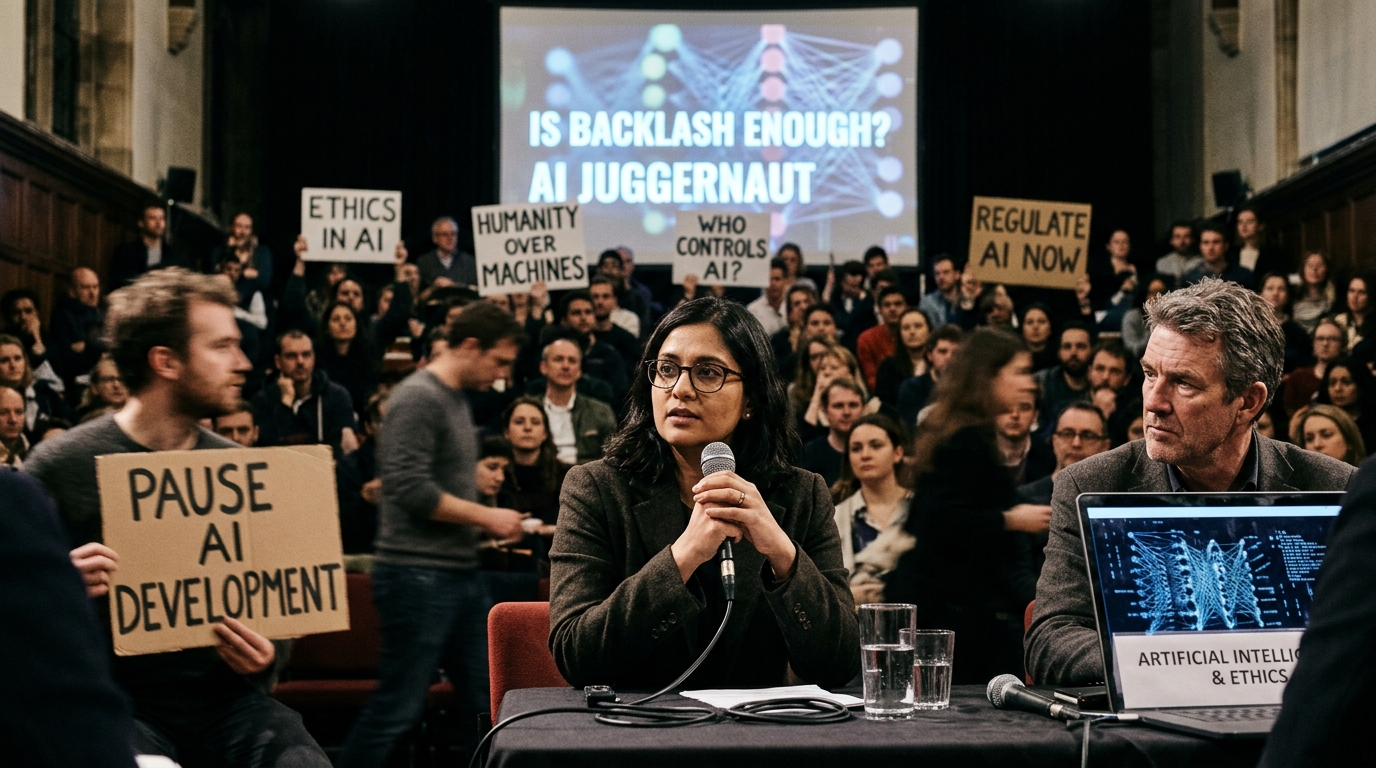
In the modern era, Artificial Intelligence (AI) has transitioned from a specialized field of computer science to a dominant topic of conversation in cafes, parliaments, and social media. However, this "democratization" of AI discourse is accompanied by a worrying phenomenon: the widening gap between technical understanding and public interpretation. As AI systems become more accessible, the illusion of knowledge often replaces genuine expertise, creating a "noise of misunderstanding" that affects not only public opinion but also policy-making.
The Illusion of Expertise in the Age of LLMs
The problem begins with the nature of the interface itself. When a user interacts with a Large Language Model (LLM) like ChatGPT, the experience is so anthropomorphic that it creates the illusion that the user "understands" how the machine thinks. This ease of use has led to the emergence of an army of "self-proclaimed experts" who, without possessing the fundamental principles of linear algebra, probability, or neural network architecture, make momentous statements about the future of humanity.
Epistemological humility has given way to sensationalism. Expertise is no longer just about the ability to build or optimize a model, but also the ability to interpret its limitations. When public discourse is dominated by individuals who ignore the difference between statistical prediction and intelligence, the result is a series of misunderstandings that fuel either uncritical enthusiasm or irrational fear. Technical understanding requires time and effort—elements that are scarce in the high-speed digital dialogue.
The Role of Media and the Addiction to Apocalypse
The media bears a large share of the responsibility for distorting reality. In the hunt for clicks, complexity is sacrificed on the altar of simplification. Headlines often present AI as either a "divine entity" or a "terminator" of jobs, ignoring the intermediate, more realistic nuances. This dualism—utopia or apocalypse—deprives the public of the tools they need to understand the real ethical and social challenges.
"The greatest danger of AI is not that it will outsmart us, but that we will trust it blindly because we do not understand how it works," academic researchers often note.
This "noise" drowns out meaningful voices. Scientists trying to explain the phenomena of model "hallucinations" or bias problems in training data are often sidelined by analysts who prefer to talk about the "existential threat" of AI. Focusing on distant, theoretical risks distracts from immediate problems, such as algorithmic transparency and the concentration of power in a few tech giants.
Political Consequences and the Need for Interdisciplinarity
When public discourse is flawed, the resulting legislation risks being either inadequate or stifling to innovation. Politicians, pressured by a public opinion fed on misunderstandings, often rush to regulate technologies they do not fully comprehend. The case of the European Union's AI Act is characteristic: an attempt to balance protection and development, which often stumbles over definitions that the technical community finds vague.
The solution is not to exclude non-experts from the conversation, but to strengthen interdisciplinarity. AI is too important to be left only to developers, but also too complex to be analyzed without them. We need a new "grammar" in public discourse, where philosophers, lawyers, and sociologists work closely with machine learning engineers. Only through this collaboration can noise be turned into signal and misunderstanding into knowledge. Public education should not just be about using the tools, but about critical understanding of their limits. In a world flooded with artificial intelligence, human judgment remains the only shield against irrationality.