The global economy is at a turning point, where technological innovation is not just changing the way we work, but redistributing wealth at rates unseen in history. According to the latest Capgemini World Wealth Report, the fortune of High Net Worth Individuals (HNWIs) saw a 4.7% increase last year, reaching the astronomical sum of $98.3 trillion. This is a historic record that reflects the markets' full recovery from the uncertainty of previous years, with Artificial Intelligence (AI) being the undisputed "engine" of this rise.
The AI Revolution as a Value Multiplier
It is no exaggeration to say that 2024 and the first half of 2026 have been the years of the "golden mean" for technology. The explosion of Generative AI did not just affect software companies; it triggered a chain reaction across the entire economic ecosystem. Semiconductors, data centers, and energy providers saw their stocks skyrocket as investors desperately sought exposure to anything AI-related.
The world's millionaires, having access to sophisticated wealth management tools and privileged information, were the first to position themselves strategically. The rise of Nvidia, Microsoft, and Alphabet, combined with the emergence of new "unicorns" in robotics and AI-driven biotechnology, has created a new class of wealth. Analysis shows that over 60% of the increase in HNWI wealth stems directly or indirectly from AI-related tech stocks.
Geographic Distribution and North American Dominance
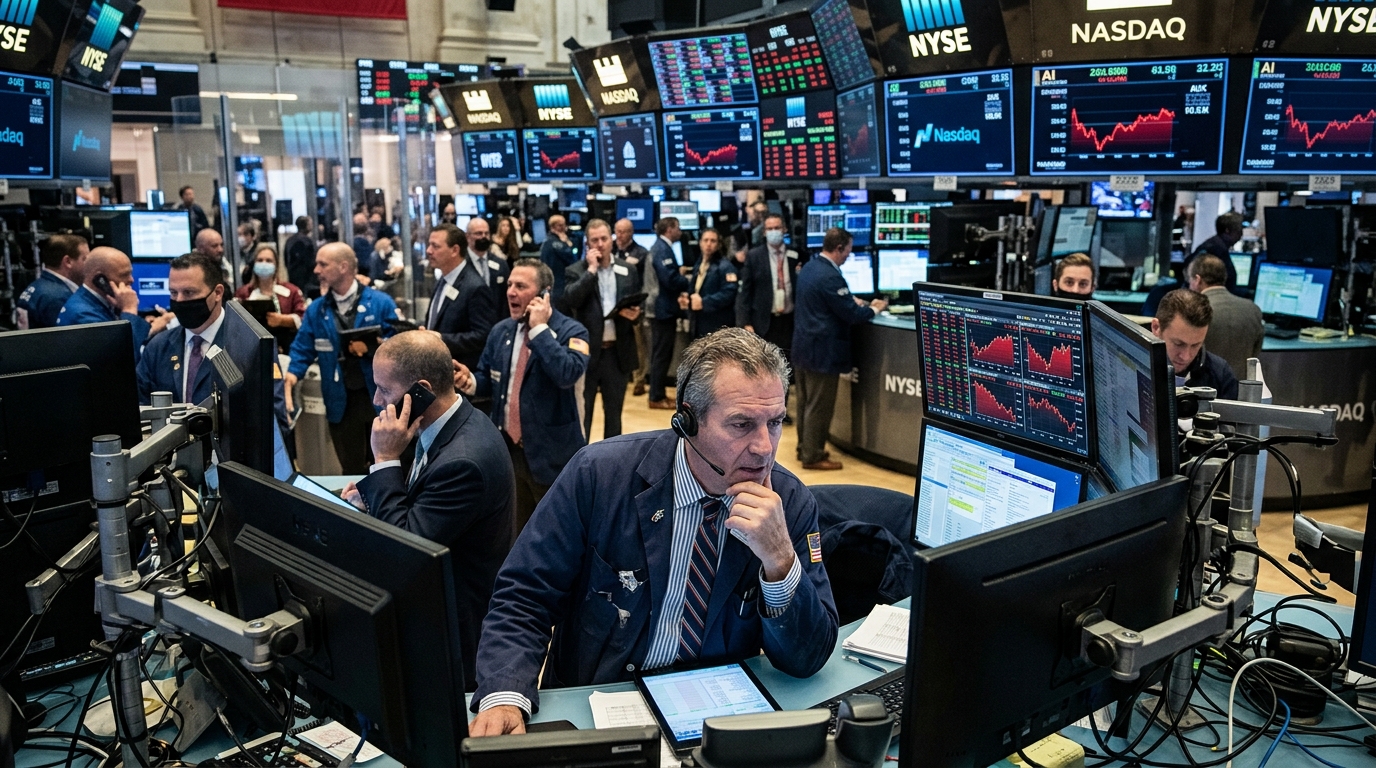
North America continues to hold the scepter of global wealth concentration. With Wall Street serving as the epicenter of the AI revolution, American millionaires saw their fortunes grow by 7.2%, outperforming the global average. The presence of Big Tech giants in the US provides both a safety net and a springboard for massive returns.
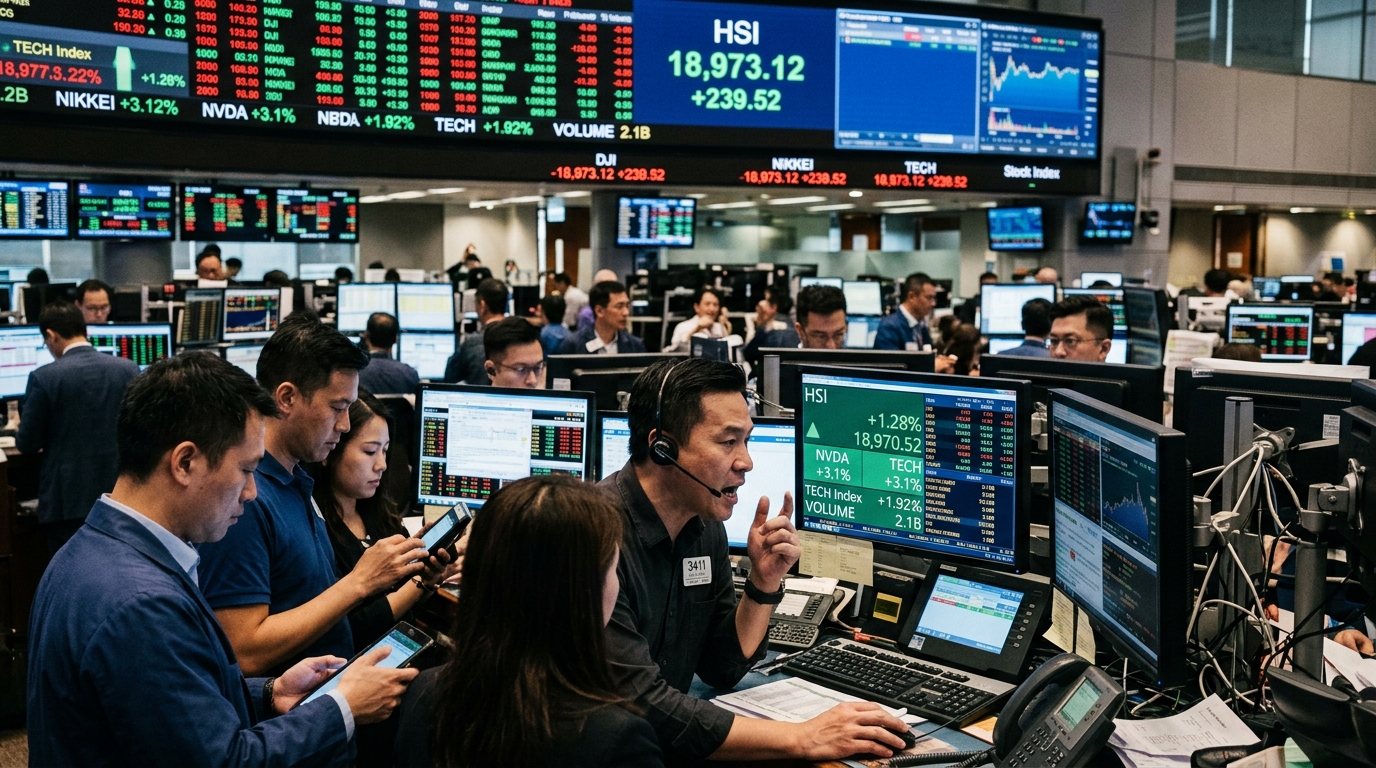
In Europe, the rise was more measured but steady, at 3.9%. Here, wealth was driven primarily by improvements in supply chains and the resilience of the luxury goods sector, which also began integrating AI to personalize its services. Asia-Pacific, despite facing challenges due to the slowdown in China, managed to record a 4.8% increase, mainly thanks to India and Japan, which are investing heavily in semiconductor infrastructure.
A New Era in Wealth Management
One of the most interesting findings of the report is the shift in investor behavior. Millionaires no longer seek advice solely from human advisors. Over 70% of HNWIs now use AI tools to analyze their portfolios, predict market trends, and optimize their tax liabilities. This "democratized" (for the few) access to high-quality data allows for faster decision-making and risk reduction.
However, this concentration of wealth also brings serious questions of social justice to the fore. While markets celebrate the $98.3 trillion milestone, the gap between the elite and the middle class is widening. The "AI economy" risks becoming a two-tier economy, where those who possess the capital and expertise reap all the benefits of automation, while the working class faces the uncertainty of being replaced by machines.
Challenges and Future Outlook
Despite the record, the road is not without obstacles. Geopolitical tensions, regulatory interventions regarding AI, and the possibility of a "bubble" in tech stocks remain real risks. Analysts warn that if the profitability of AI companies does not keep pace with investor expectations, we could see a violent correction in the markets.
Furthermore, governments worldwide are under pressure to tax the "excess profits" resulting from automation. The discussion about a global minimum tax on billionaires is gaining new momentum as social inequalities become increasingly visible. The bet for the coming years will be whether this vast wealth can be channeled into sectors that benefit society as a whole, such as the green transition and education, or whether it will remain trapped in digital portfolios.
- Global millionaire wealth reached $98.3 trillion, a 4.7% increase.
- Artificial Intelligence was the primary driver of stock market growth.
- North America leads the surge with a 7.2% increase in wealthy individuals' assets.
- The use of AI tools in wealth management is becoming the norm for HNWIs.
- The widening wealth gap raises concerns about social stability.