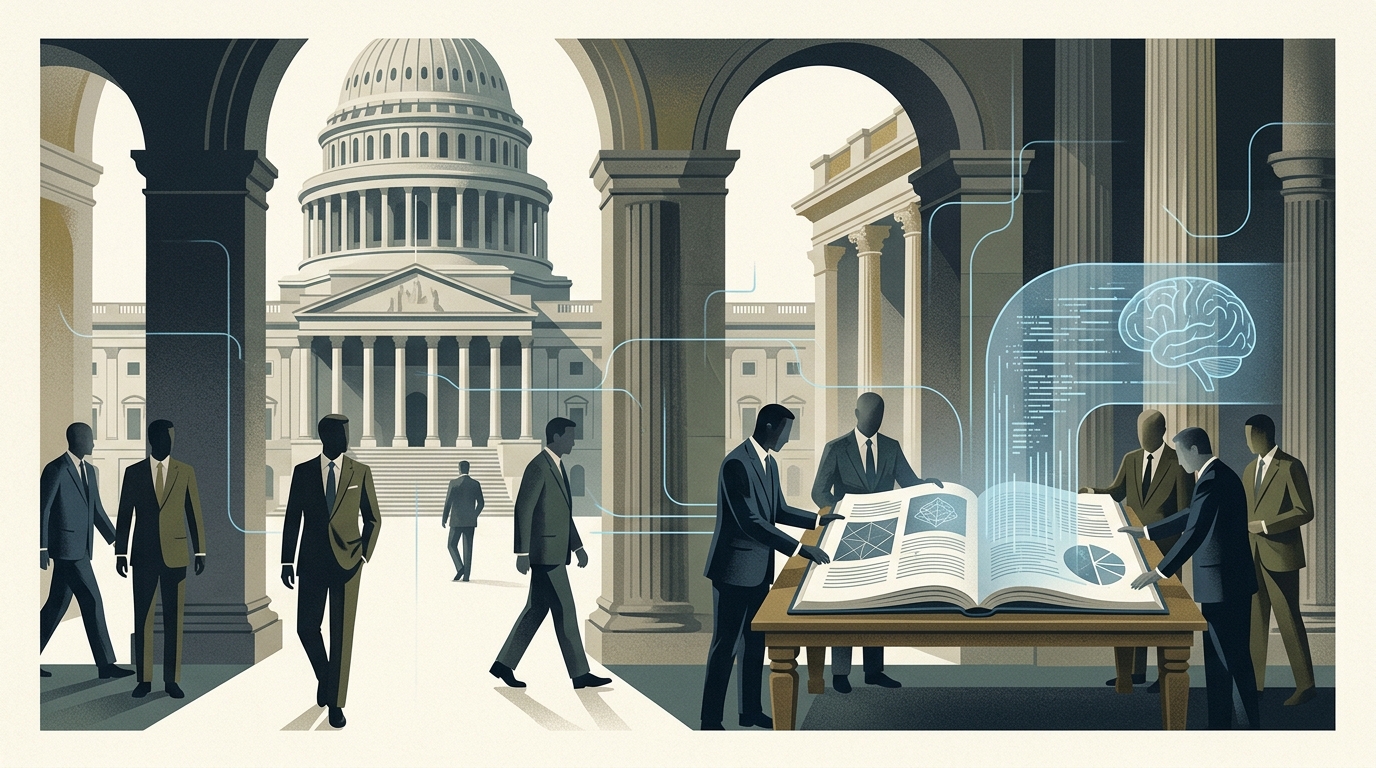
In the twilight of the first half of 2026, the global geopolitical chessboard is no longer defined solely by armaments or economic might, but by the psychological readiness of younger generations to face Artificial Intelligence (AI). A recent study published in Eurasia Review brings to light a paradox that should worry policymakers in Washington: young Americans feel significantly more threatened by AI compared to their peers in China. This 'optimism gap' is not merely a statistical quirk but a reflection of the divergent social contracts, educational systems, and cultural narratives dominating the world’s two largest economies.
The American Anxiety: Collapse of the Individual Dream
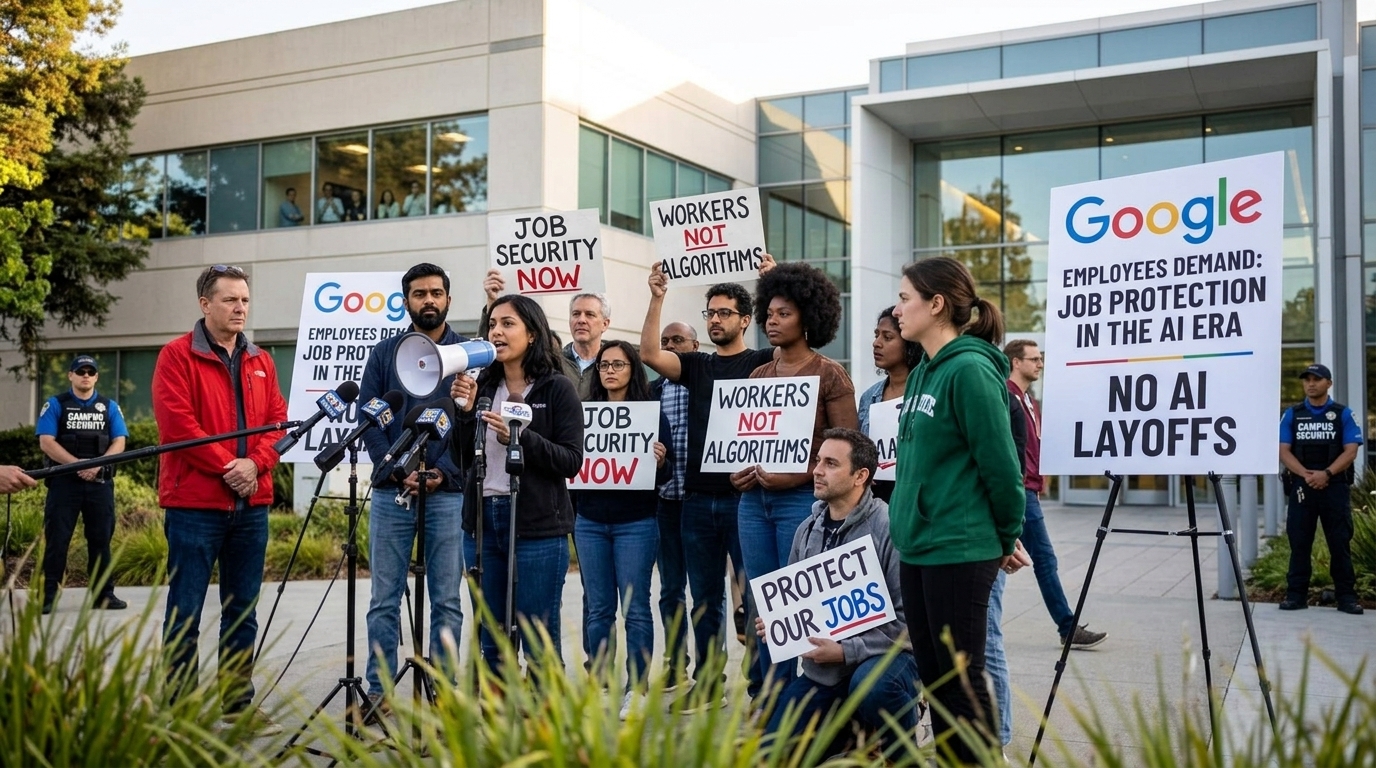
For the average young American in 2026, AI is not a helpful assistant but a ruthless competitor. In a nation where individual worth is inextricably linked to professional success and where the social safety net remains fragmented, the advent of autonomous AI agents capable of performing mid-level cognitive tasks has triggered existential dread. Youth in the US view AI through the lens of 'surveillance capitalism' and corporate profit maximization at the expense of the workforce.
The lack of guaranteed healthcare and the skyrocketing cost of living make job loss due to automation a catastrophic prospect. Furthermore, the American educational system, despite its emphasis on critical thinking, is often accused of failing to prepare Gen Z and Gen Alpha for the sheer speed of the transition. The sense that 'the system is rigged' in favor of Silicon Valley tech giants reinforces the belief that AI will widen inequalities rather than bridge them. To them, AI is a tool for extraction, not empowerment.
Chinese Techno-Nationalism: The Collective Ascent
Conversely, young people in China exhibit an almost messianic faith in technological progress. Why is this? The answer lies in how Beijing has integrated AI into its national narrative. In China, AI is presented as the quintessential tool that will allow the country to leapfrog the West and achieve the 'Great Rejuvenation of the Chinese Nation.' Young Chinese see technology as a means for collective ascent rather than just individual enrichment.
Moreover, the Chinese state has invested massively in large-scale retraining programs, creating a sense of (albeit controlled) security. Despite strict limitations on civil liberties, the belief that the government will 'manage' the disruption caused by AI provides a psychological anchor that is missing in the West. Chinese youth do not ask if AI will replace them; they ask how they will use AI to dominate the global market. This alignment between state goals and individual ambition creates a powerful, albeit rigid, sense of purpose.
Social Safety Nets and the Ethics of Labor
The difference in perception also stems from the structure of social benefits. In the US, employment is the gatekeeper to basic rights like health insurance and retirement. In China, despite its own demographic and economic challenges, there is a different perception of state paternalistic responsibility. American youth fear being left behind in a world that no longer needs them, while Chinese youth feel they are cogs in a machine moving decisively forward.
- Education: China has pivoted its curriculum toward STEM and AI literacy from primary school, whereas the US is still grappling with bureaucratic inertia and cultural wars in education.
- Media Narratives: The American psyche is saturated with Hollywood’s dystopian AI tropes, while Chinese media is dominated by state-backed narratives of a techno-utopian future.
- Economic Precariousness: The absence of a robust safety net in the US turns AI into a survival threat, whereas in China, the state’s involvement offers a perceived buffer.
In conclusion, the problem for the United States is not Artificial Intelligence itself, but the inability of its social and political system to offer a human-centric vision for the future. If the West fails to redefine the value of labor and strengthen its social contract, it risks losing the 'war for the future'—not because of a lack of superior code, but because of a catastrophic deficit of hope among its next generation.