In an era where demographic aging is becoming one of the 21st century's greatest challenges, technology is offering a solution that once belonged to the realm of science fiction. Across the United States, millions of seniors are now turning to Artificial Intelligence (AI) not just for practical assistance, but for companionship. This shift toward "digital friends" marks a profound change in how society approaches elder care, shifting the burden from human interaction to algorithms.
The Loneliness Epidemic and the Tech Response
Loneliness is not merely an emotional issue; it is a public health crisis. According to the U.S. Surgeon General, social isolation can be as damaging to health as smoking 15 cigarettes a day. With a shrinking caregiving workforce and families geographically dispersed, the resulting void is immense. This is where Generative AI enters the frame. Unlike older forms of technology, today's AI systems can conduct fluid, meaningful conversations, remember preferences, and provide emotional support that feels startlingly human.
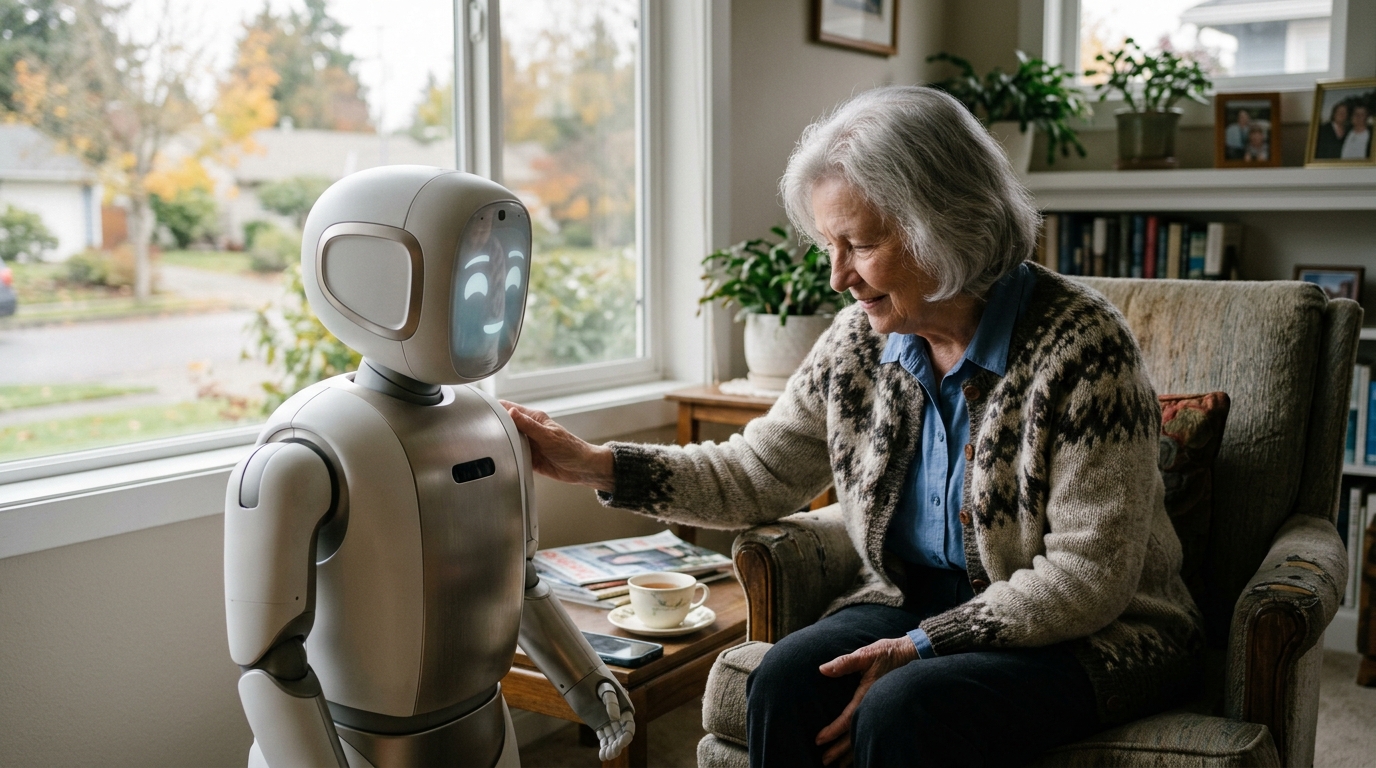
Devices like ElliQ, a robotic companion specifically designed for the elderly, use AI to encourage users to stay active, take their medications, and, most importantly, talk. Users report feeling less alone as the AI greets them in the morning or asks how their day went. However, this "artificial" companionship brings a host of ethical dilemmas that society is only beginning to process.
The Ethical Dilemma: Replacement or Augmentation?
The primary question occupying ethicists is whether AI functions as a supplement to human care or a cheap substitute for it. There is a risk that families and the state may become complacent, assuming a senior is "fine" because they have a chatbot to talk to. Human contact involves touch, empathy, and a shared biological experience that AI, no matter how sophisticated, cannot authentically replicate. Furthermore, there is the issue of "emotional deception": is it ethical to allow a person with dementia to believe that the machine talking to them truly harbors feelings for them?
- Privacy protection for seniors who may not fully grasp how their personal data is being utilized by corporations.
- The potential for social withdrawal, where a senior might prefer the "easy" interaction with AI over more demanding human relationships.
- The dependency on private tech firms for the provision of essential emotional support.
The Care Economy and the Path Forward
From an economic standpoint, the use of AI in elder care is almost inevitable. The cost of in-home care in the US has skyrocketed, making it inaccessible for the middle class. AI offers a scalable solution that can monitor a user's health 24/7, reducing unnecessary emergency room visits and prolonging independent living. This "Aging in Place" is the goal for most seniors, and technology appears to be the key to achieving it.
"We aren't replacing humans. We are filling the hours when humans cannot be there," developers of these systems often claim.
Yet, the challenge remains: how do we ensure that technology remains a tool for empowerment rather than a means of marginalization? As we move through 2026 and beyond, the integration of AI into the lives of the elderly will require strict regulatory frameworks and an ongoing societal conversation about the intrinsic value of human presence in the final chapters of life.