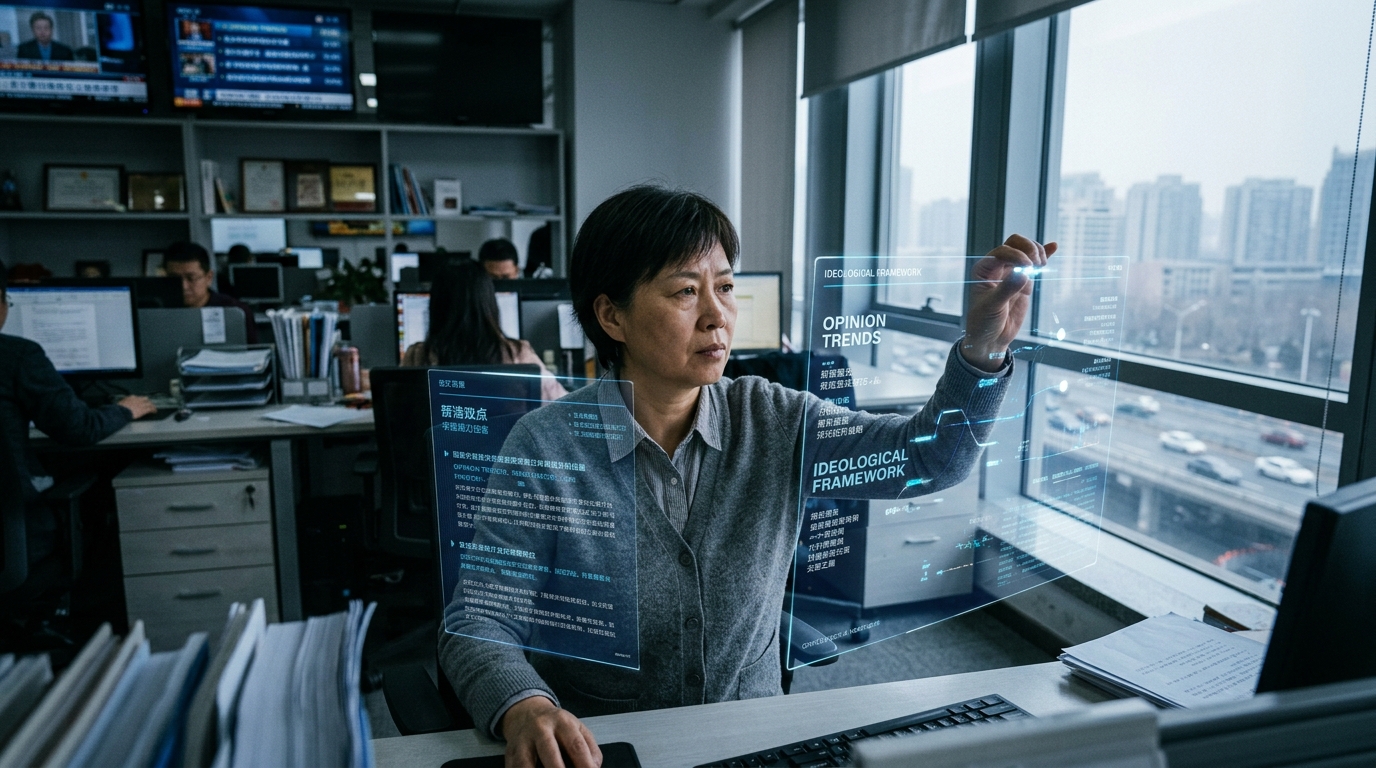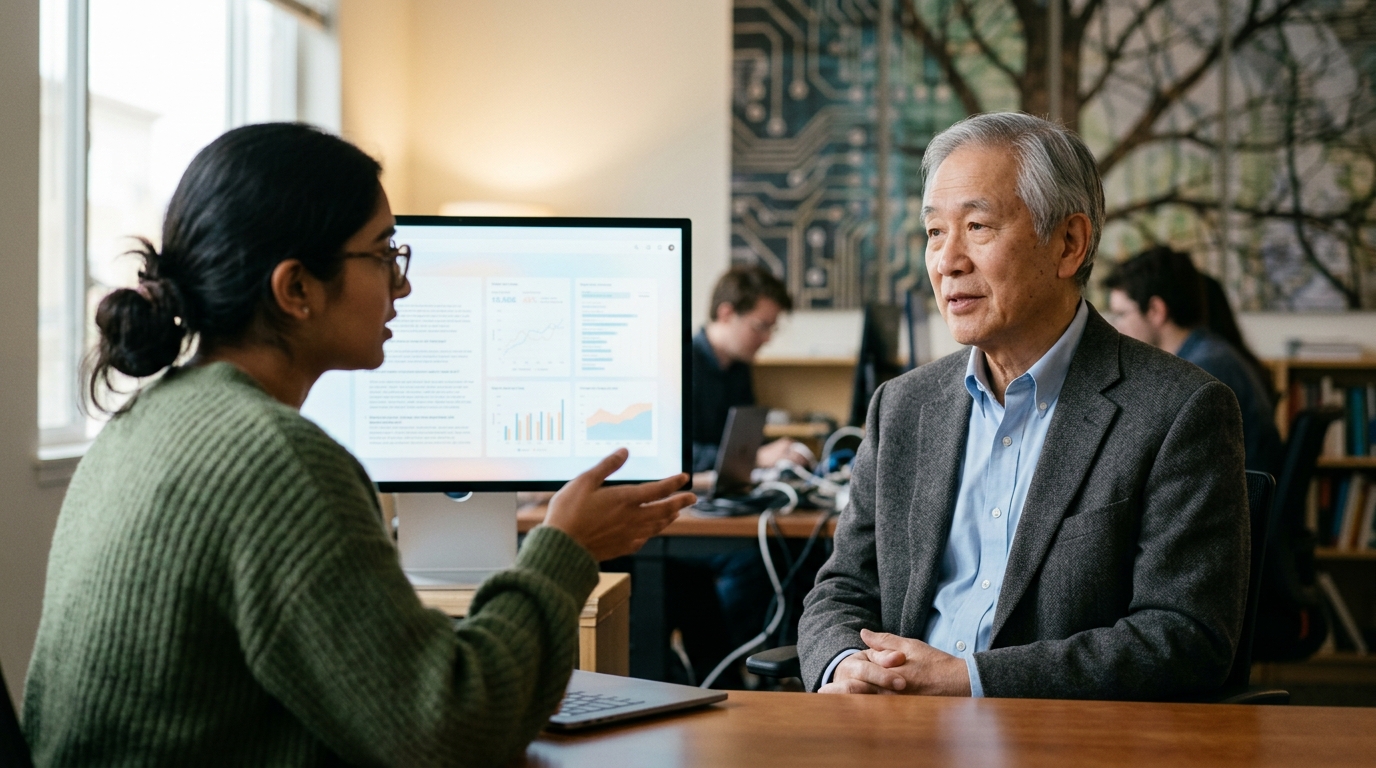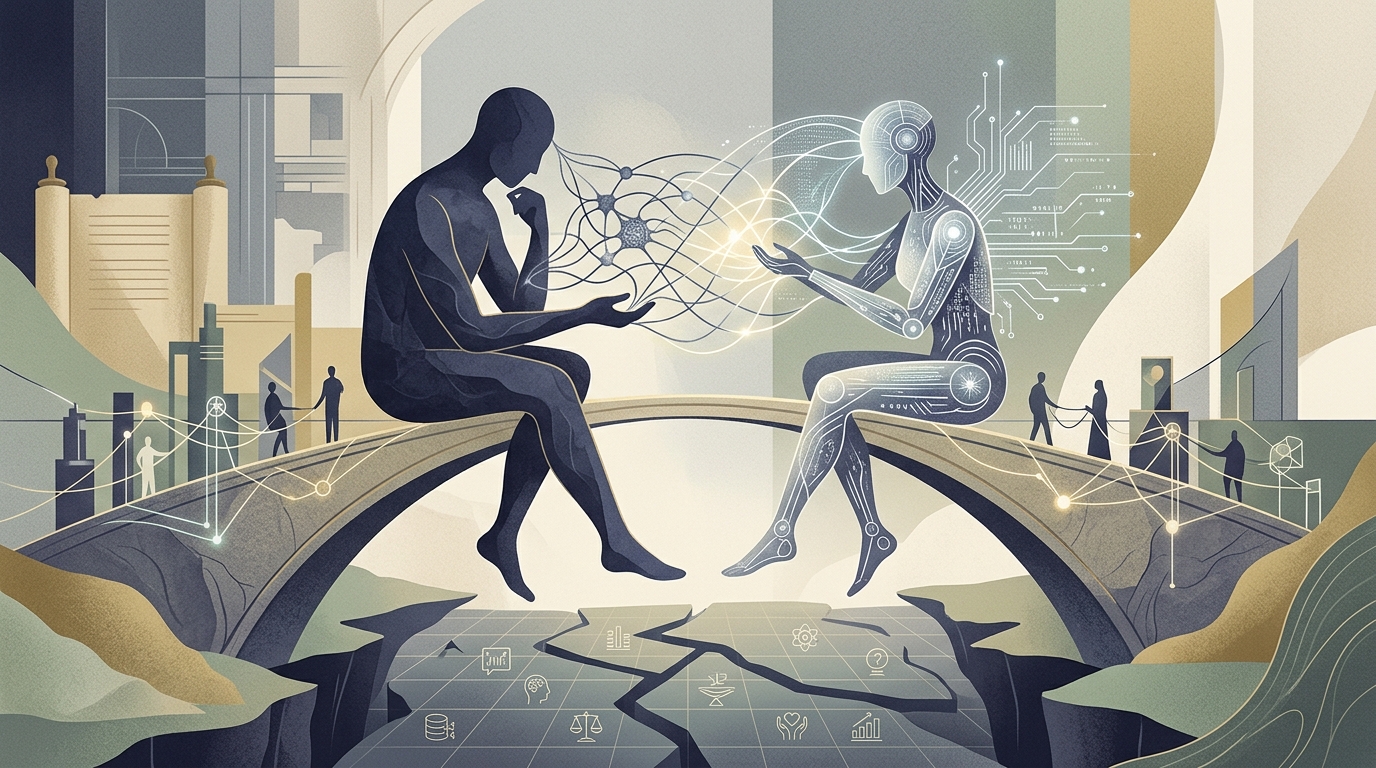
At the dawn of the fifth industrial revolution, the promise was clear: Artificial Intelligence (AI) would liberate us from mundane, repetitive tasks, allowing us to focus on creativity and strategic thinking. However, as we navigate through May 2026, the reality in workplaces from Silicon Valley to London reveals a different, more unsettling picture. What experts are now calling "AI Fatigue" is not merely a weariness of technology, but a profound psychological and cognitive exhaustion stemming from the transition from performing work to the endless supervision of machines.
The Evolution of the Worker: From Creator to Monitor
For decades, job satisfaction has been intrinsically linked to the concept of "flow"—the state of being fully immersed in an activity. When a writer writes, a coder codes, or an analyst processes data, there is a direct connection between thought and output. The introduction of Generative AI has disrupted this link. Today, the worker often no longer "produces"; instead, they feed prompts into a model and are then tasked with verifying the accuracy of the output.
This shift in role carries an immense cognitive load. Supervision is, by its very nature, more taxing than execution. It requires constant vigilance to detect AI "hallucinations," biases, or subtle errors that could jeopardize a company’s reputation. The worker exists in a state of permanent defensive auditing, a process that lacks the joy of creation and the sense of ownership over the final product.
The Productivity Paradox and the Psychological Toll
Corporations report surges in production speed, but they rarely account for the human cost. AI Fatigue is fueled by the paradox that while the machine does the work faster, the human must work at a more intense pace to keep up with the sheer volume of generated data. Labor has become a digital assembly line where the human is the final cog, responsible for mistakes but often detached from the accolades of success.
- Loss of Autonomy: The feeling that the algorithm dictates the pace and structure of work leads to deep-seated alienation.
- Ethical Exhaustion: Constantly questioning the reliability of tools creates a climate of uncertainty and persistent stress.
- Cognitive Overload: Managing multiple AI interfaces simultaneously while cross-referencing their outputs depletes neural resources.
According to recent studies in environments that have aggressively adopted AI, burnout rates have climbed by 30% compared to the pre-AI era. Employees report feeling "empty" at the end of the day, not because they achieved something great, but because they spent eight hours correcting the imperfections of a machine that was supposed to help them.
The Societal Dimension: De-skilling and the Future of Expertise
Another critical facet of AI fatigue is the fear of de-skilling. As junior employees increasingly rely on AI for foundational tasks, they lose the opportunity to develop the core competencies required to become expert supervisors later in their careers. This creates an identity crisis: "What am I if I am no longer the expert who knows how to solve the problem from scratch?"
"Artificial Intelligence isn't replacing the human; it's replacing their creative essence with a bureaucratic supervision of code," notes a leading workplace psychologist.
The challenge for 2026 and beyond is the redesign of the human-AI partnership. It is not enough to introduce tools for speed; we must ensure that work remains human-centric. This means setting clear boundaries on AI usage, creating "algorithm-free zones" where thought can breathe, and fostering a new culture where quality and authenticity are valued over raw output volume. Combating AI fatigue is not a technical issue; it is a matter of preserving humanity in the digital age.