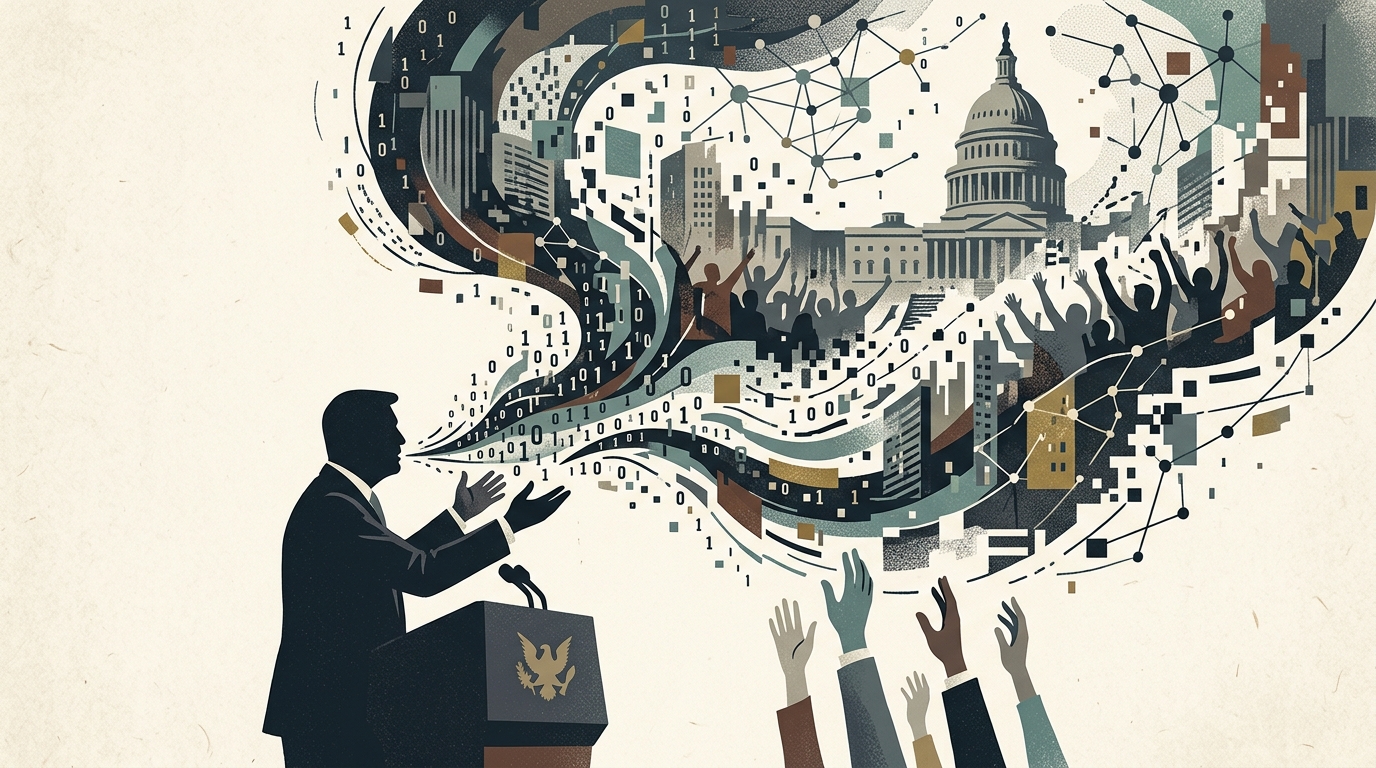
Legal practice, a field traditionally anchored in precision, historical documentation, and unwavering adherence to the rule of law, is facing an unprecedented challenge. In the state of Oregon, judicial authorities are sounding the alarm over a growing trend: the filing of legal documents containing fabricated evidence, citations of non-existent court decisions, and fictional legal arguments—all products of generative artificial intelligence (AI).
The Digital Trap of 'Hallucinations'
According to recent reports from Oregon Public Broadcasting (OPB), the phenomenon is no longer an isolated incident but a systemic threat. Lawyers, in their effort to accelerate the drafting of motions and briefs, are turning to tools like ChatGPT without fully understanding the nature of these models. Large Language Models (LLMs) are not data retrieval engines; they are word prediction engines. When asked to find a legal precedent to support an argument, they often "hallucinate" a convincing but entirely false case, complete with docket numbers and judges' names.
These AI-generated fabrications have led to stern rebukes from Oregon judges. In one notable case, an attorney presented a series of precedents that appeared perfectly relevant to the trial's subject matter, only for the court to discover that none of those cases had ever actually occurred. The problem is exacerbated by the fact that AI-generated text is often highly articulate, making it difficult to detect falsehoods through a casual reading.
Ethical Responsibility and Risks to Litigants
The use of AI in justice raises critical ethical questions. The Oregon State Bar is already considering stricter frameworks for technology oversight. The core principle remains unchanged: the lawyer bears the ultimate responsibility for the accuracy of what they submit to the court. The excuse that "the AI wrote it" is not a valid legal defense.
- Ethics of Competence: Lawyers have a duty to understand the tools they employ.
- Duty of Candor: Submitting false information, even through negligence, undermines the integrity of the judicial system.
- Client Protection: Citizens risk losing cases or facing financial sanctions due to the technological incompetence of their legal representatives.
Of particular concern is the use of these tools by pro se litigants—individuals representing themselves. Lacking the legal training to verify information, many turn to AI as a free alternative to legal counsel, often with catastrophic results for their cases.
The Judicial Response and the Path Forward
Many judges in Oregon have begun issuing standing orders requiring attorneys to certify that no part of their filings was generated by AI without human verification. This "human-in-the-loop" verification is now considered essential for ensuring the quality of justice.
"Artificial intelligence can be an excellent assistant, but it is a dangerous master. Justice cannot be based on word probabilities, but on actual facts and laws," says a legal analyst cited by OPB.
In the future, the integration of specialized legal AI tools—trained exclusively on closed sets of verified legal data rather than the open internet—may mitigate this problem. However, the current crisis in Oregon serves as a stark reminder that technology, no matter how impressive, cannot replace human judgment and professional integrity.