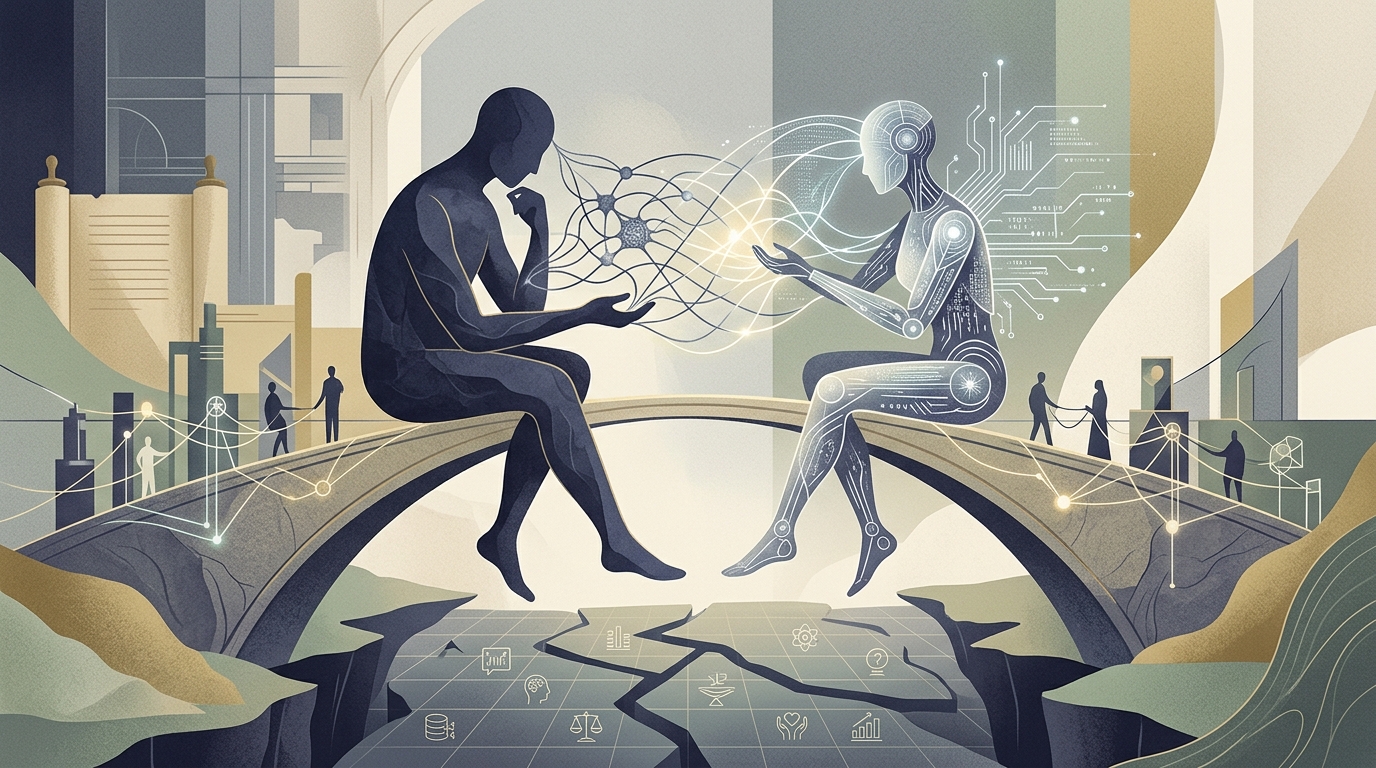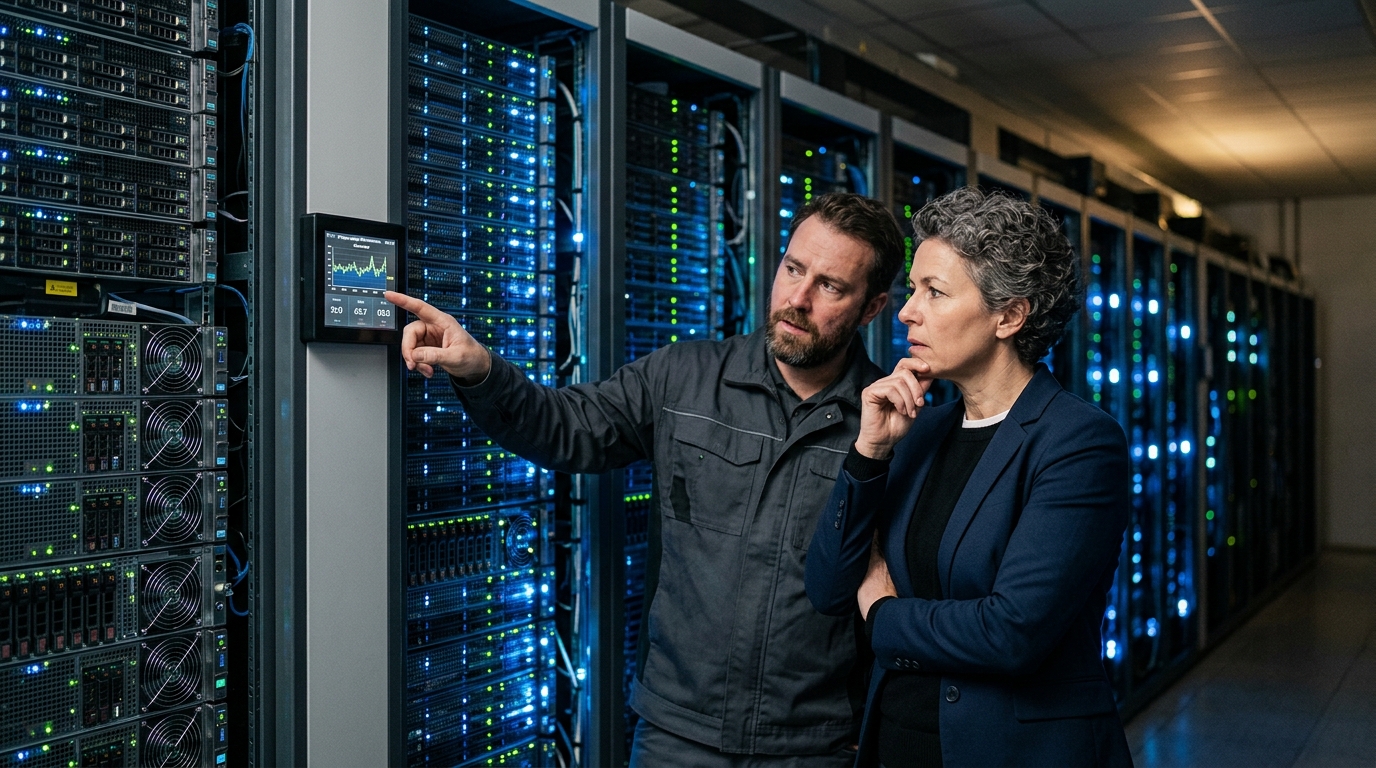
In the dawn of 2026, the conversation surrounding Artificial Intelligence (AI) has shifted from sci-fi scenarios of "robot uprisings" to the much more mundane, yet dangerous reality of daily labor. While news headlines often focus on the threat of mass unemployment due to automation, a more insidious threat is emerging: the use of AI as a tool for absolute surveillance and algorithmic management. Work, instead of being liberated from toil, is being transformed into a digital panopticon where every movement, every keystroke, and every emotion is recorded, analyzed, and evaluated by invisible code.
The Rise of Algorithmic Management
"Algorithmic management" is no longer confined to the platforms of the gig economy, like Uber or DoorDash. It has invaded offices, warehouses, and retail stores. AI systems now take on the role of the supervisor, assigning tasks, monitoring performance in real-time, and making decisions about promotions or terminations. The problem lies in the opacity of these systems. Workers often find themselves facing decisions that affect their lives without knowing the criteria or having the possibility to contest them.
According to recent reports, the use of "bossware" has skyrocketed. These tools don't just track active screen time; they use biometric data and sentiment analysis via cameras or microphones to gauge an employee's "engagement." The pressure to constantly optimize Key Performance Indicators (KPIs) leads to a state of perpetual anxiety, as the worker feels that the slightest deviation from the "standard" set by the algorithm could lead to sanctions.
From Surveillance to Predictive Discipline
The true breakthrough of AI in worker control is the transition from simple logging to prediction. Employers now use models that predict which employees are likely to quit, who might unionize, or who is showing signs of fatigue that could decrease productivity. This "predictive discipline" allows management to intervene preemptively, often in ways that violate privacy and personal freedom.
- Keylogging and mouse movement tracking.
- Voice tone analysis in customer service calls.
- Physical location tracking via GPS or wearables.
- Evaluation of task completion speed compared to an AI-generated average.
This constant evaluation creates a culture of "digital Fordism," where human creativity and authenticity are sacrificed at the altar of statistical precision. Work ceases to be a social activity and turns into a series of data points to be optimized.
Psychosocial Impacts and the Erosion of Trust
The impact on mental health is profound. Studies show that workers under constant algorithmic surveillance exhibit higher levels of cortisol, depression, and burnout. The feeling of being watched every second destroys the trust between employer and employee, which is the cornerstone of any healthy work environment. When management becomes an impersonal equation, human connection is lost.
"We don't fear that robots will become human, but that humans are being forced to work like robots to satisfy algorithms," a representative of European trade unions noted.
Furthermore, there is the risk of embedded biases. If an algorithm is trained on data reflecting historical discrimination, it will continue to punish or marginalize specific groups of workers, such as women or minorities, under the guise of data-driven "objectivity."
Regulatory Frameworks and the Need for "Human Control"
The European Union, through the AI Act, has taken steps to classify AI systems in the workplace as "high risk." However, practical implementation remains a challenge. It is essential to institutionalize the right to "human intervention" (human-in-the-loop), ensuring that no critical decision regarding a worker's career or livelihood is made solely by a machine.
The solution is not to ban technology, but to govern it democratically. Labor unions and collective bargaining agreements must include clauses on AI use, demanding transparency in algorithms and protection of personal data. Technology should be used to make work safer and easier, not to turn the worker into a disposable component of a digital machine. The stake in 2026 is not just the economy, but the very dignity of human labor.