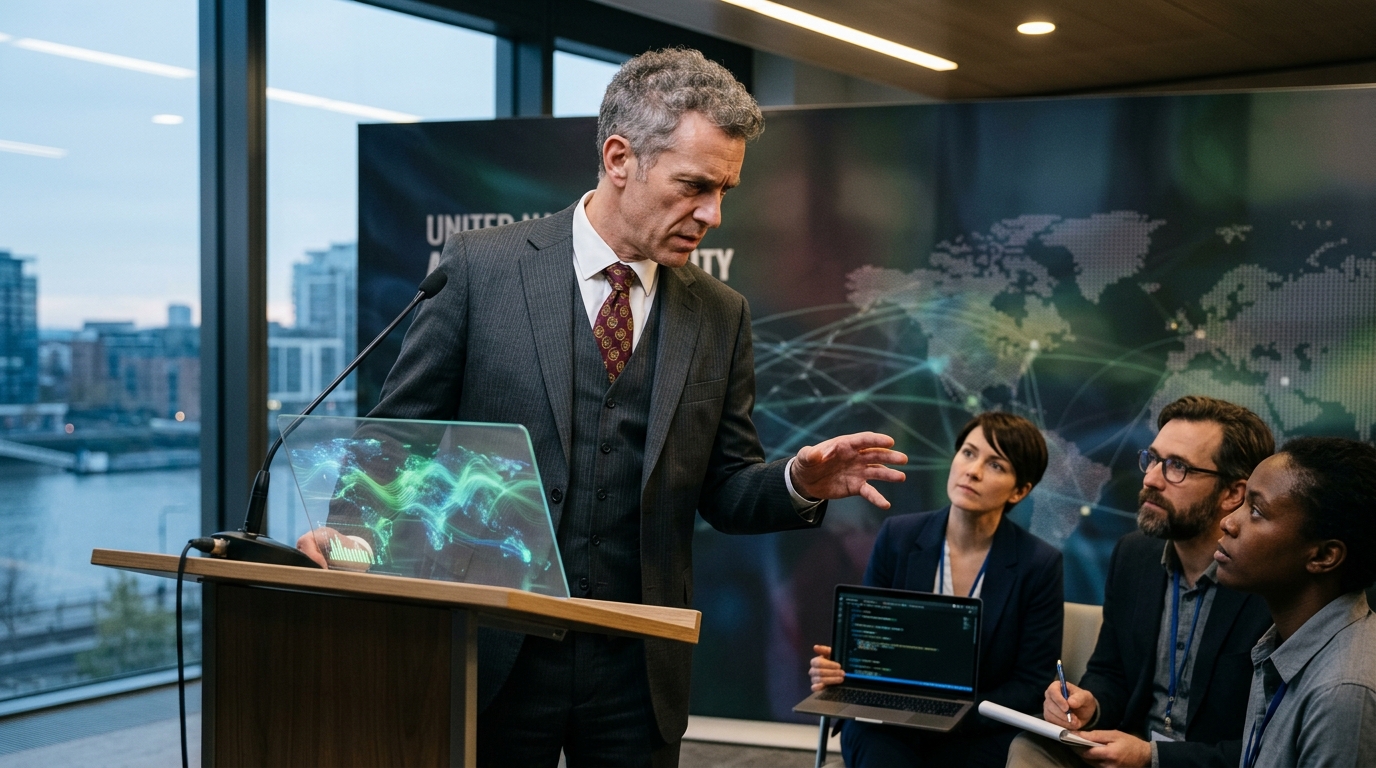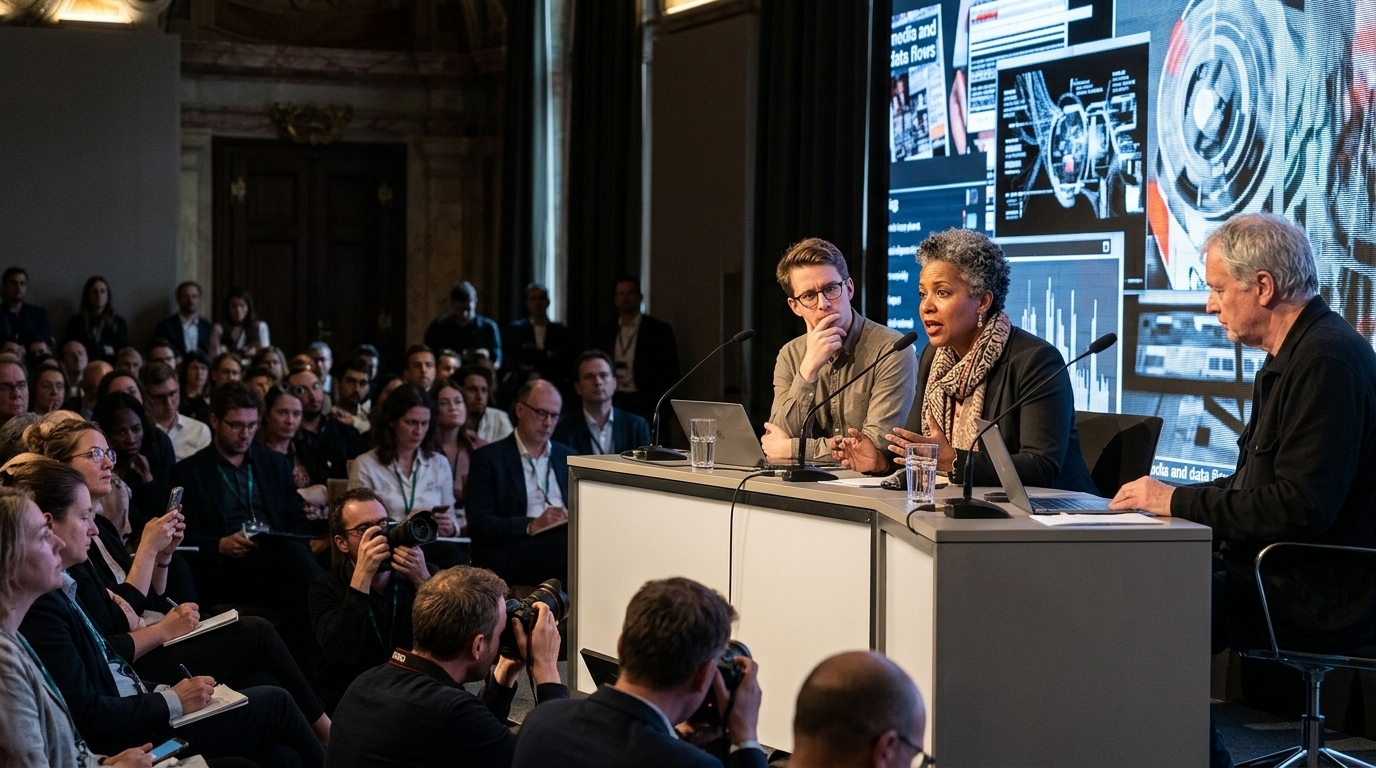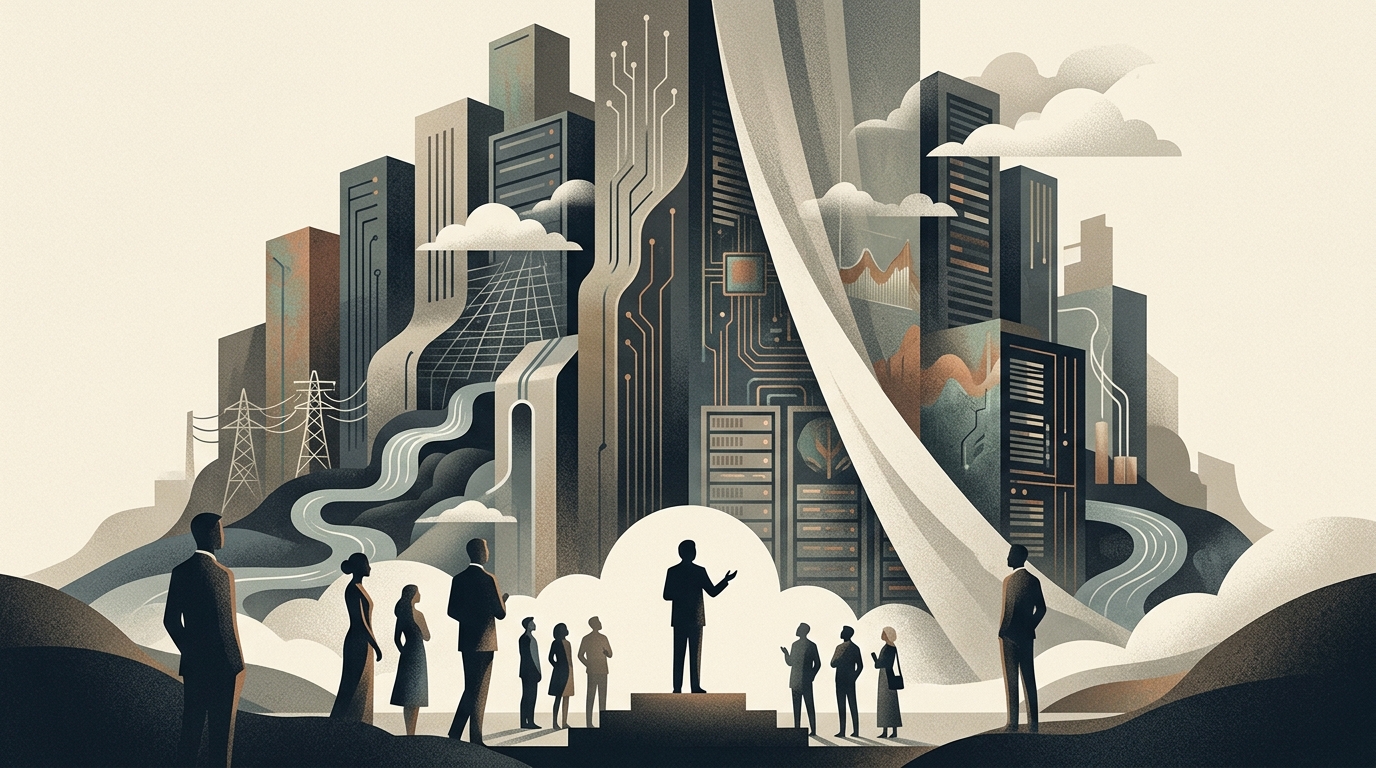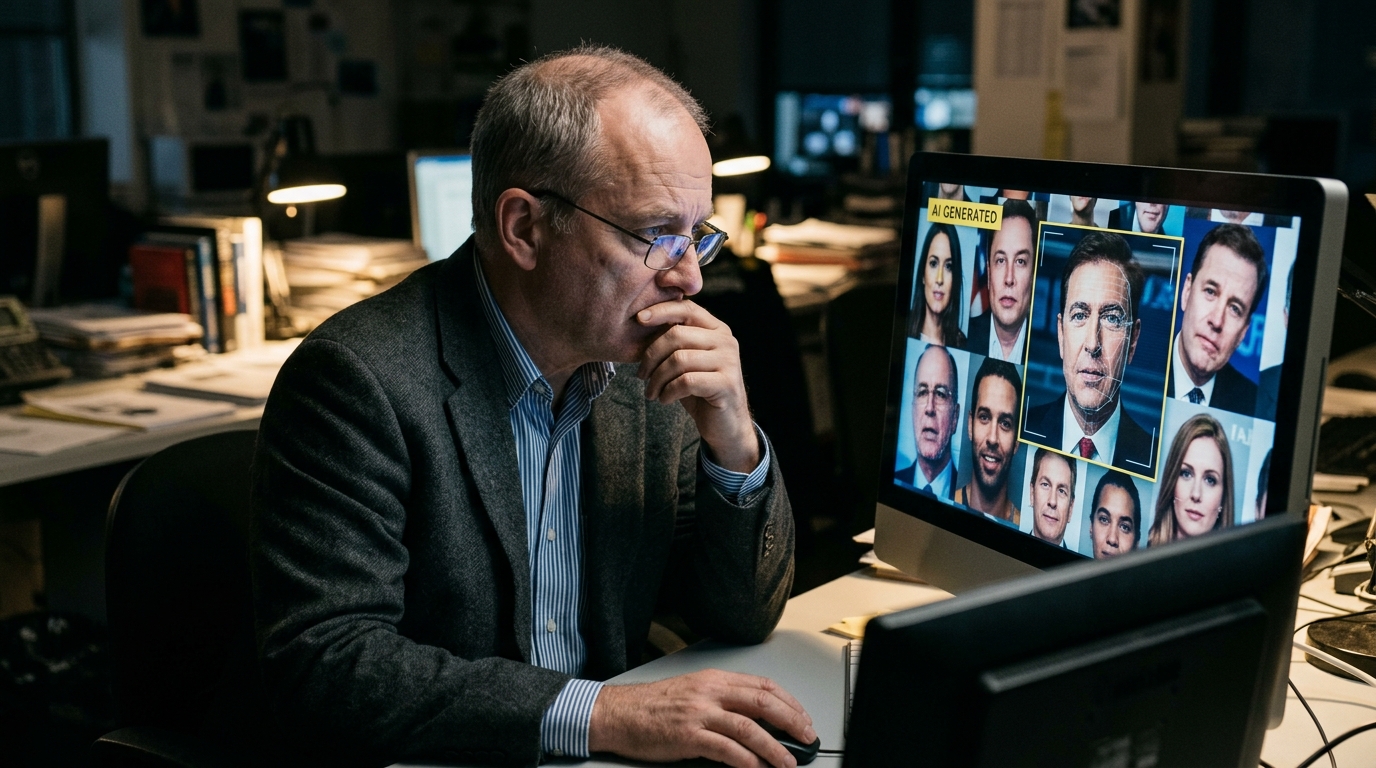
Democracy in the United States is facing an unprecedented challenge as artificial intelligence (AI) evolves from a theoretical tool into a potent weapon of political influence. As the 2026 midterm elections approach, the proliferation of "deepfakes"—AI-generated images, videos, and audio clips—has ignited a fierce debate over the integrity of the electoral process. The ease with which convincingly false content can now be produced has fundamentally altered the landscape, making truth a rare and fragile commodity.
The Democratization of Disinformation
In the past, producing high-quality propaganda required significant resources, specialized personnel, and time. Today, thanks to models like Stable Diffusion, Midjourney, and sophisticated voice cloning tools from ElevenLabs, anyone with a basic internet connection can create content that appears entirely authentic. This "democratization" of generative AI tools means that disinformation is no longer the exclusive province of state actors or large political organizations, but also of individual actors with malicious intent.
The most alarming aspect is the speed and scale of this phenomenon. Campaigns can now generate hundreds of variations of a message, targeting specific demographics with surgical precision. For instance, audio deepfakes mimicking the voices of political leaders can be used in automated robocalls to discourage voters from going to the polls by providing false information about voting dates or locations. Such incidents have already been recorded, triggering alarms among federal and state authorities.
The "Liar's Dividend" and the Erosion of Truth
One of the most insidious consequences of the rise of AI is what academics Danielle Citron and Robert Chesney call "the liar's dividend." In a world where everyone knows deepfakes exist, politicians can now deny reality itself. When confronted with incriminating videos or audio recordings that are perfectly genuine, they can simply claim they are AI-generated fabrications.
This situation creates a vicious cycle of distrust. Citizens, bombarded by conflicting information and warnings about deepfakes, may eventually stop believing anything at all. The loss of a shared objective reality is perhaps the greatest danger to democracy, as public discourse shifts from debating policy disagreements to questioning the facts themselves. As analysts point out, when everything can be fake, then nothing feels true anymore.
The Regulatory Vacuum and the Tech Giants' Response
Despite the growing threat, federal legislation in the U.S. remains desperately behind technological advancements. While some states have passed laws requiring the labeling of AI-generated content or banning deepfakes shortly before elections, there is no unified national framework. Congress is struggling to find the balance between protecting electoral integrity and safeguarding free speech, which is protected by the First Amendment.
For their part, major tech companies like Google, Meta, and OpenAI have announced measures to combat the misuse of their tools. These include the introduction of digital watermarking and the use of metadata (such as the C2PA standard) to certify the origin of an image. However, experts warn that these measures are easily bypassed by sophisticated users or through the use of open-source tools that lack such restrictions. The battle between detection systems and generative systems is a continuous and escalating arms race.
The Urgent Need for Digital Literacy
In this landscape, the final line of defense remains the citizen. The need for enhanced digital literacy is more pressing than ever. Voters must learn to approach social media content with a critical eye, cross-reference information from multiple reliable sources, and be skeptical of content that triggers intense emotions like anger or fear.
In conclusion, artificial intelligence is not the enemy in itself, but the way it is utilized could prove fatal for democratic institutions. Safeguarding the 2026 elections and beyond will require a coordinated effort from the government, the tech industry, and civil society. The challenge is not merely technical, but deeply political and ethical: how do we protect the truth in an era where the lie has become indistinguishable from reality?