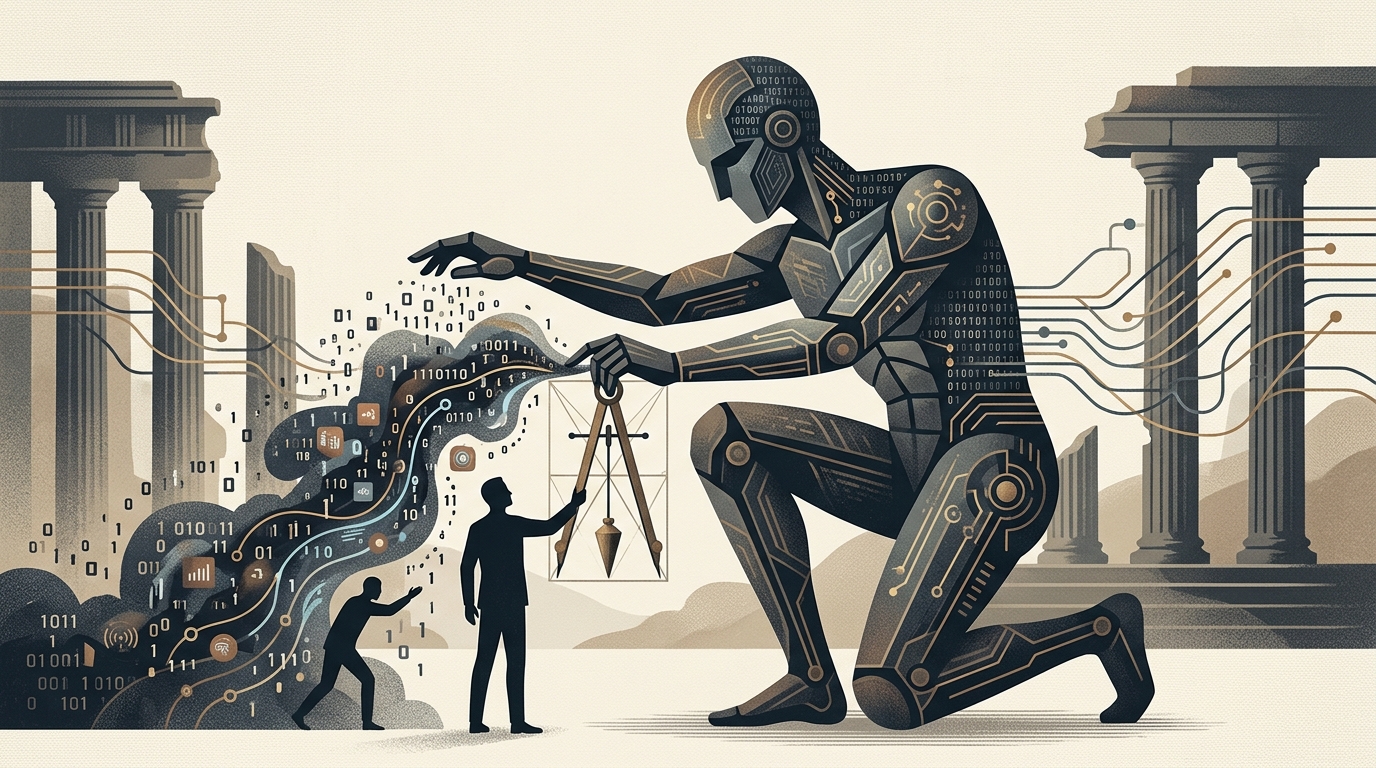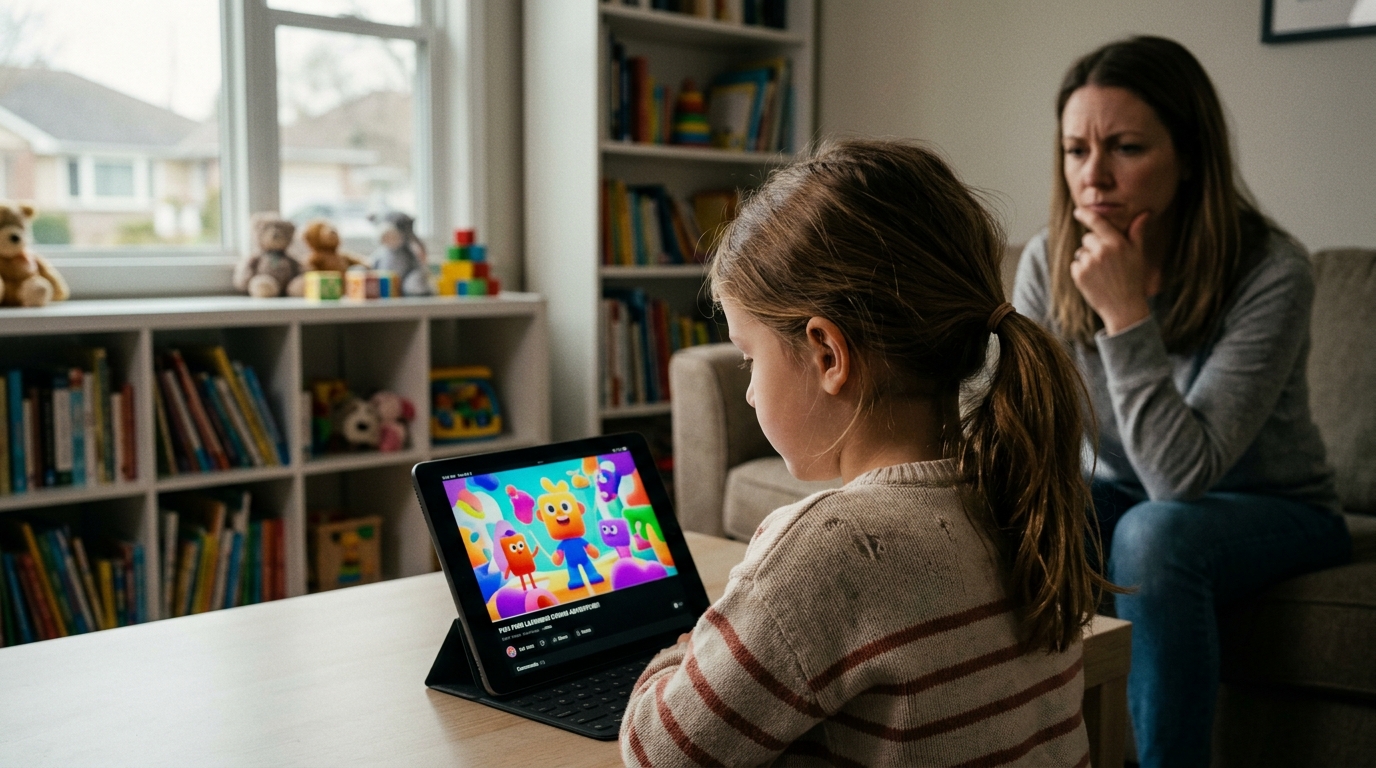
In an era where screens are an integral part of childhood, a new, silent revolution is taking place on video-sharing platforms. Artificial Intelligence (AI) is no longer just a tool for productivity or scientific research; it has become the primary "storyteller" of the digital age, flooding YouTube and other platforms with thousands of hours of automatically generated content. However, this oversupply raises profound ethical and developmental questions that society is only beginning to grasp.
The Industrialization of Childhood Imagination
The process is simple yet terrifyingly efficient. Using generative AI tools, anonymous creators can produce hundreds of videos a day. From simple educational songs about colors and numbers to complex, albeit often surreal, stories featuring well-known cartoon characters, AI handles everything: the script, the illustration, the animation, and the voiceover. The result is a flood of content aimed solely at capturing children's attention and, by extension, advertising revenue.
The problem lies not in the technology itself, but in how it is used. Many of these videos lack a coherent structure or pedagogical value. According to experts, watching content created by algorithms can lead to a form of "digital lethargy." As Dr. Helen Papadakis, a child psychologist, notes:
"Children don't just watch a video; they absorb patterns of communication and logic. When content is the product of an algorithm that only optimizes for watch time, human connection and meaning are lost, leaving behind only an empty, hyper-stimulating experience."
Psychological Implications and Risks
One of the greatest risks of the AI-generated video industry is the so-called "uncanny valley" and the distortion of reality. AI models often produce images that are almost human but not quite, or characters that move in unnatural ways. For a preschooler, whose perception of the world is still forming, these visual inconsistencies can cause confusion or even anxiety.
- Hyper-stimulation: AI videos often use bright colors and rapid scene changes to maintain attention, which is linked to a decrease in concentration spans.
- Lack of Moral Compass: Algorithms do not understand moral concepts. They can create scenarios where violence is presented as a joke or where dangerous behaviors are normalized.
- Cultural Flattening: As content is mass-produced for a global market, local traditions and linguistic nuances are sacrificed on the altar of universal algorithmic acceptance.
The Regulatory Gap and Platform Responsibility
Despite efforts by tech giants to filter content, the speed at which AI generates new videos exceeds any capacity for human oversight. Platforms like YouTube Kids rely on automated systems to monitor other automated systems—a vicious cycle that often fails. The European AI Act provides for stricter rules for content aimed at minors, but their practical implementation remains a massive challenge.
The solution cannot be purely technical. It requires a radical reassessment of the role of parents and educators in digital education. The "digital nanny" is no longer a harmless solution; it is an algorithm with unknown intentions. The need for high-quality, human-centric content that promotes critical thinking and empathy is more urgent than ever. In a world flooded with artificial stimuli, the authenticity of the human story remains the most precious gift we can offer our children.