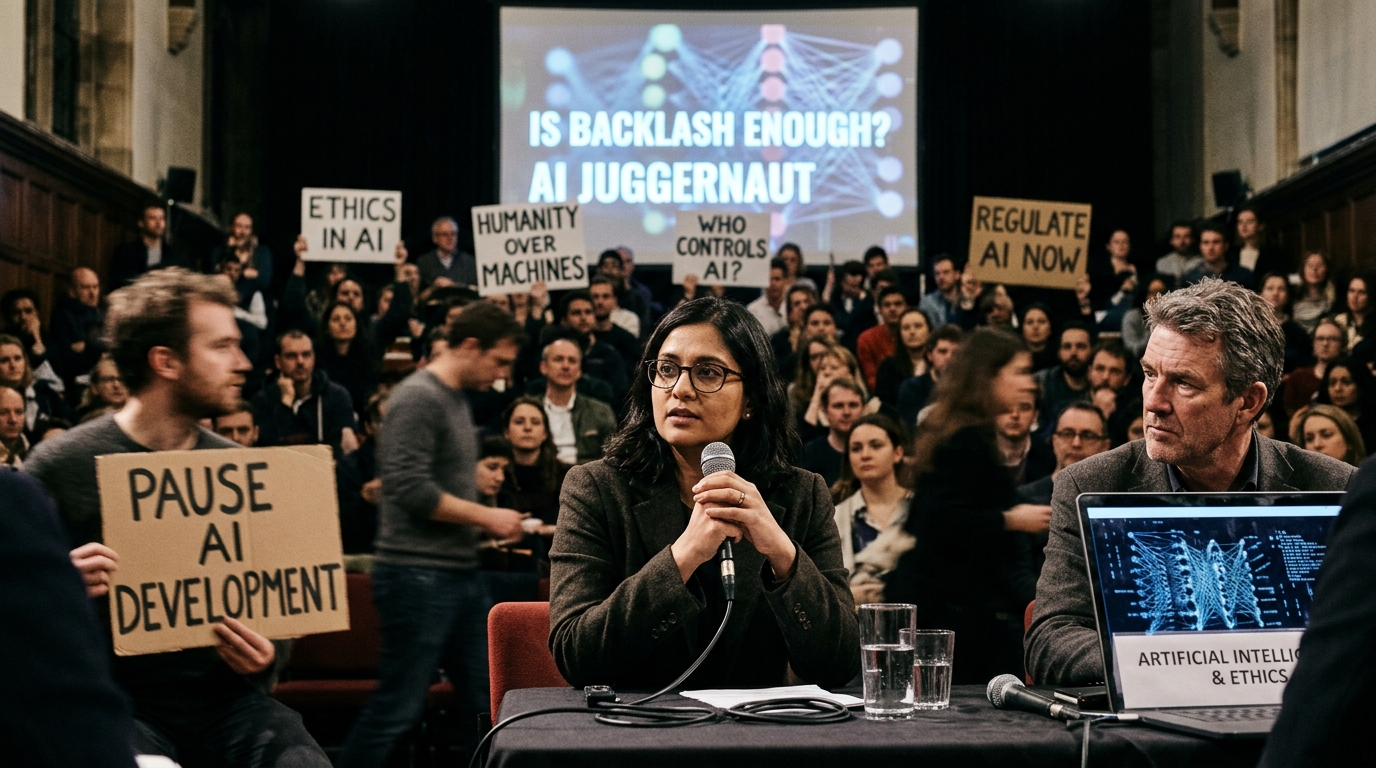
The rapid proliferation of Artificial Intelligence (AI) has presented humanity with a profound paradox: while the potential for education and creativity is boundless, the risks to the most vulnerable users—children—have multiplied exponentially. The recent meeting of the Commission on Artificial Intelligence and Child Safety, as reported by WSFA, serves as both a clarion call and an attempt to draw a new ethical line on the digital horizon. This is no longer a theoretical debate about ethics; it is an urgent battle against new forms of exploitation and psychological manipulation.
The New Frontier of Digital Risks
The first and perhaps most chilling challenge facing regulators is the generation of AI content targeting minors. Deepfake technology has made it possible to create non-consensual imagery with shocking ease. According to evidence discussed during the commission, the use of generative AI tools to create realistic but fake abuse material has surged, making the work of law enforcement agencies exceptionally difficult. The anonymity and speed with which this material is produced require not just legal interventions, but technical filters that can identify the "digital signature" of AI before the material spreads.
Furthermore, the commission highlighted the danger of "algorithmic grooming." Recommendation engines, designed to maximize time spent on a platform, often lead children down "rabbit holes" of harmful content, ranging from eating disorders to extreme political ideologies. The lack of transparency in how these systems operate means that parents and guardians are often at a disadvantage, unable to understand why their child is being exposed to specific stimuli.
Legislative Landscapes and the Path Forward
Legislative responses in the United States and Europe are moving at different speeds but toward a common goal. In the U.S., bills like the Kids Online Safety Act (KOSA) seek to impose a "duty of care" on tech companies. The commission emphasized that companies can no longer claim platform neutrality. When an algorithm chooses to promote a video to a minor, the company bears responsibility for the consequences of that choice.
However, many challenges remain. The first concerns freedom of speech. Critics argue that strict AI restrictions could lead to censorship or limit teenagers' access to vital information regarding health and identity. The second challenge is technical: how can you verify a user's age without violating their privacy? The use of biometric data for age verification is a double-edged sword that the commission is examining with great caution.
"The safety of our children cannot be the cost of innovation. If Artificial Intelligence cannot guarantee the protection of minors, then it is not progress; it is a hazard."
The Responsibility of Tech Giants
The concept of "Safety by Design" is at the heart of the discussions. The commission called on tech giants to integrate safeguards into their models from the training stage. This includes excluding data related to minors from training datasets and implementing strict limitations on the responses chatbots provide to queries originating from children.
At the same time, there is a dire need for digital literacy. The commission recognized that legislation alone is not enough. We must educate a new generation of "digital citizens" who can recognize AI manipulation. This requires collaboration between governments, schools, and families. AI is not just another app; it is a new living environment, and as such, it must be governed by rules that prioritize human dignity and child protection.
Conclusion: An Ethical Imperative
The commission's meeting is only the beginning of a long journey. As technology evolves, protection methods must become even more agile. The stakes are nothing less than the mental and physical integrity of the next generation. The international community must reach common standards so that companies cannot exploit "legislative loopholes" in different jurisdictions. Protecting children in the age of AI is the ultimate test of our ethical maturity as a society.