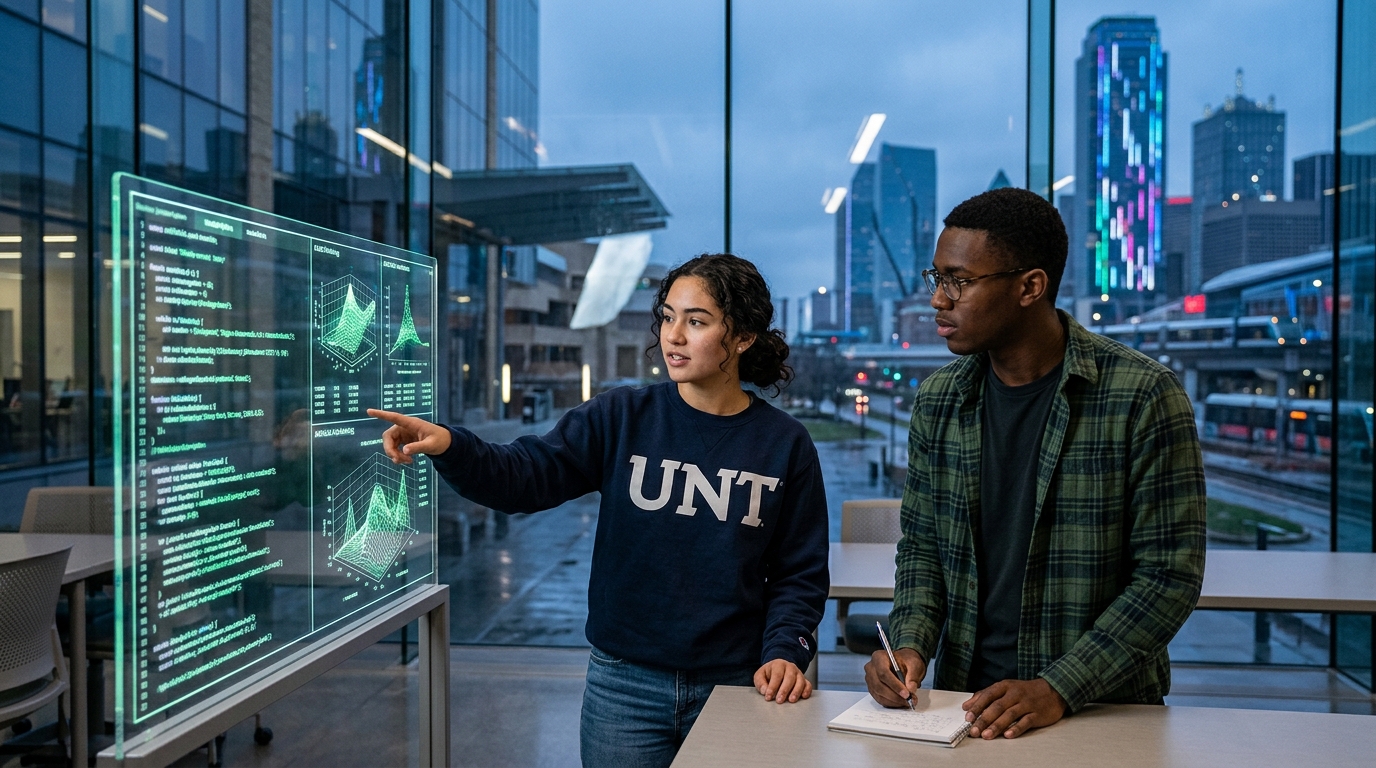
In the high-stakes world of technology, where most analysts are consumed by debates over algorithms and large language models, Joe Lonsdale, co-founder of Palantir, is redirecting our focus toward something far more tangible: steel, silicon, and gigawatts. His recent insights highlight a fundamental truth that Silicon Valley often overlooks—that Artificial Intelligence (AI) is not an ethereal entity residing in the "cloud," but a heavy industry that demands the reconstruction of our physical world.
The Great Infrastructure Pivot
For decades, the tech economy thrived on an "asset-light" model, where success was measured by code and intellectual property. Today, we stand on the brink of a radical shift. According to Lonsdale, the next phase of the AI revolution will be determined by the ability of nations and corporations to build and operate data centers of unprecedented scale. These "intelligence factories" are not mere server warehouses; they are the new production units of economic and military power.
The challenge is twofold: compute and energy. As AI models become increasingly complex, the demand for GPUs and specialized semiconductors is skyrocketing. However, the real "wall" that progress is hitting is the power grid. Palantir, with its deep understanding of government and defense needs, recognizes that energy sufficiency is now a matter of national security.
Energy as the New Currency
Lonsdale argues that the traditional approach to energy is insufficient to power the ambitions of AI. This is where the need for innovation in power sources comes in, with a particular emphasis on Small Modular Reactors (SMRs) and next-generation nuclear energy. The link between AI data centers and nuclear power is becoming tighter, as tech giants seek stable, baseload power that renewables, in their current form, struggle to provide at such scale.
"We cannot have an AI-driven economy if we cannot power it. Energy is the limiting factor of human progress in the 21st century."
This approach highlights a new form of "industrial policy" in the US and the West. Palantir, through its AIP platform, attempts to bridge the gap between data and physical action, but for this to happen, the underlying infrastructure must be resilient and sovereign.
Geopolitics and Data Sovereignty
Another critical aspect touched upon by the Palantir co-founder is the concept of "Sovereign AI." In a world of rising geopolitical tensions, dependence on foreign infrastructure or supply chains is a strategic vulnerability. Data centers are no longer neutral facilities; they are the ground upon which modern sovereignty is exercised.
- Defense Fortification: Integrating AI into military operations requires localized, secure infrastructure that cannot be throttled by external actors.
- Economic Competitiveness: Countries with the cheapest and most powerful data centers will attract top talent and the most innovative firms.
- Supply Chain Independence: The need for vertical integration, from semiconductors to final data processing.
Palantir positions itself as the connective tissue in this new ecosystem. Rather than being just a software provider, it aspires to be the operating system of modern industry and defense, where data flows seamlessly from the battlefield or the factory floor to the decision-making center.
Conclusions for the Future
Lonsdale’s analysis serves as a reminder that technology does not operate in a vacuum. The success of AI will depend on our ability to solve 19th and 20th-century problems—like energy production and construction—at 21st-century speeds. Silicon Valley must get its hands dirty with "heavy" projects if it wants to fulfill its promises for artificial intelligence. The future will not only be written in code; it will be built with concrete and high-voltage cables.