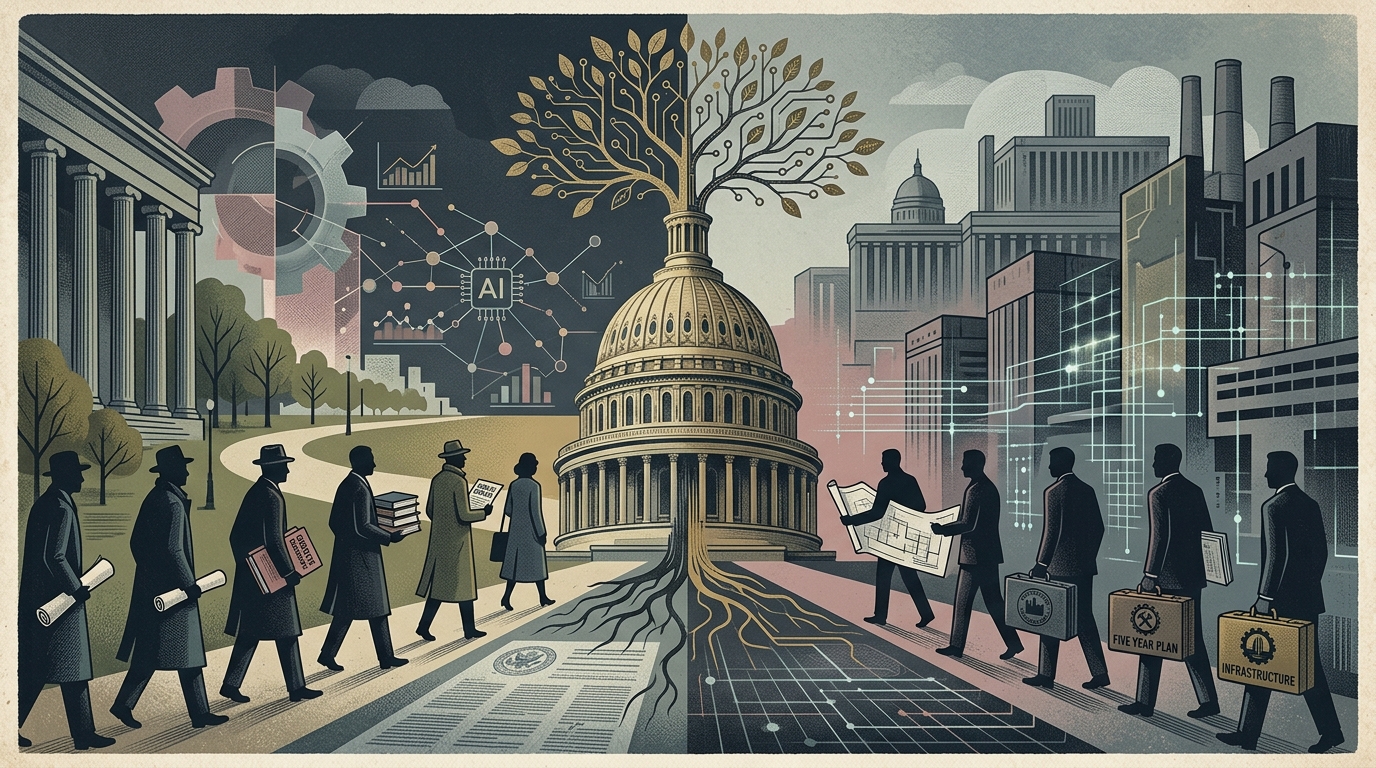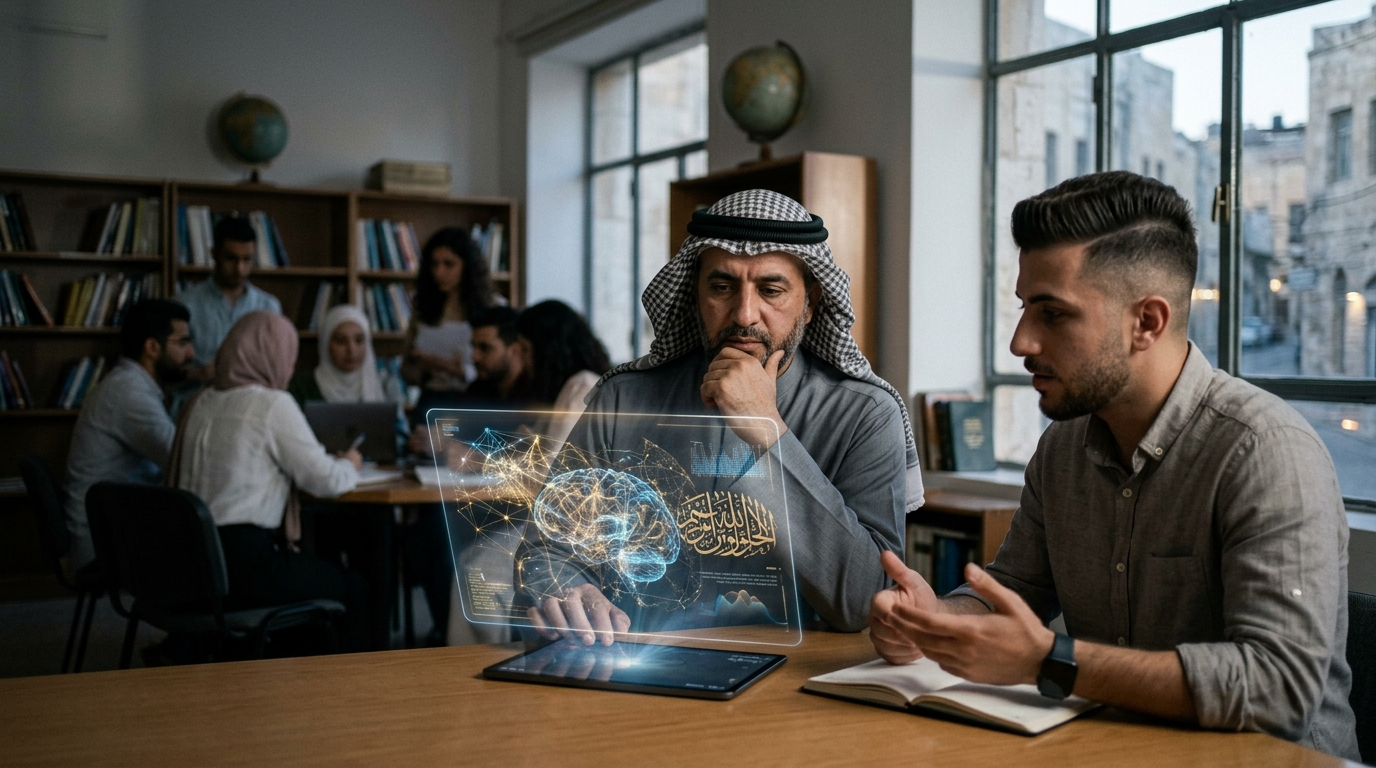
At the heart of the digital revolution, where algorithms begin to simulate human consciousness and create worlds from scratch, an ancient debate is being rekindled with unexpected intensity. In mosques, madrasas, and digital forums across the Muslim world, the question is no longer merely technical or economic, but deeply existential and eschatological: Is Artificial Intelligence the embodiment of the Dajjal—the figure known in Christian tradition as the Antichrist?
The Dajjal and Digital Deception
In Islamic eschatology, Al-Masih ad-Dajjal is a false messianic figure who will appear before the Day of Judgment to lead humanity astray. Hadith descriptions (the traditions of the Prophet Muhammad) depict him as a master deceiver who will perform "miracles" to win people's faith. Today, many Muslim scholars and believers see the characteristics of this description reflected in AI.
The ability of AI to create deepfakes—videos and voices that are indistinguishable from reality—is seen by some as the ultimate form of "fitna" (trial or temptation). If the Dajjal is defined by his ability to distort truth, then an algorithm that can construct an alternative reality appears to be the perfect candidate. The Dajjal's "one-eyed" nature, a classic trait in tradition, is interpreted metaphorically by some as the camera lens or the smartphone screen—a window that sees only the material dimension of the world while ignoring the spiritual.
The Deification of the Machine in Silicon Valley
The concern is not limited to technical capabilities but extends to the rhetoric of AI creators. When tech leaders speak of the "Singularity" or the development of Artificial General Intelligence (AGI) with god-like attributes—omniscience, omnipresence via the internet, and the ability to solve the problem of death—religious communities perceive a dangerous hubris.
"The attempt to create an artificial consciousness that demands our absolute submission and trust to solve human problems borders on idolatry," analysts told The New Arab.
For many, relying on AI for moral decisions or life guidance constitutes a form of enslavement to a "false deity." In Islam, "Shirk" (assigning divine attributes to anything other than God) is the gravest sin. The idea that an algorithm can know our secret thoughts (through data) and predict our future creates a terrifying parallel with divine omniscience.
Counter-narrative: AI as a Tool and Islamic Law
However, Muslim thought is not monolithic. Many progressive scholars and scientists in the Islamic world reject these eschatological interpretations as alarmism. They argue that AI, like a knife or the internet, is a tool (adat). Its moral value depends entirely on the "niyyah" (intention) of the user and the creator.
Already, we are seeing the development of "Islamic AI," where algorithms are used to analyze complex Fiqh (Islamic jurisprudence) texts, facilitate Quranic learning, and organize charitable activities (Zakat). For these believers, technology is not the Antichrist but an opportunity for the empowerment of the community (Ummah). The challenge, they say, is not to fear the machine, but to ensure its development is governed by values of justice and human dignity.
Conclusion: A Global Anxiety
The fact that these discussions are taking place with such intensity highlights something deeper: Artificial Intelligence is not just changing our economy; it is shaking the foundations of our beliefs. Whether it is the Dajjal of Islam, the Antichrist of Christianity, or the existential risks described by secular philosophers, humanity feels it is facing a power beyond its control. The need for an ethical code to bind Silicon Valley is no longer just a political demand, but a cry for the preservation of the human essence in the face of the digital unknown.