The global travel and tourism industry stands at a critical juncture. As we navigate through 2026, traditional growth strategies based solely on visitor volume are collapsing under the weight of the climate crisis and new social demands. According to the latest guidelines from the World Travel & Tourism Council (WTTC), the future of the sector is no longer a matter of simple survival but of radical transformation through three pillars: climate, quality, and technology.
The Climate Imperative: From Sustainability to Regeneration
For decades, "sustainability" was a term often used as a communication tool. Today, the reality of extreme weather events—from prolonged heatwaves in the Mediterranean to flooding in Central Europe—makes adaptation a matter of economic stability. The WTTC emphasizes the need for a transition to "regenerative tourism." Unlike sustainability, which aims to maintain the status quo, regenerative tourism seeks to leave the destination in a better state than the visitor found it.
This translates into investments in infrastructure that protects local ecosystems, reducing the carbon footprint of aviation, and managing water resources. For countries like Greece, this means a strategic shift: the reliance on the "sun and sea" model during summer months must be enriched with activities that boost local production and spread revenue throughout the year, reducing pressure on infrastructure during peak season.
Artificial Intelligence as a Catalyst for Personalization
The digital revolution in tourism is no longer just about online bookings. Artificial Intelligence (AI) and Big Data analysis are now the core tools for understanding the behavior of the modern traveler. Tourists in 2026 seek experiences tailored precisely to their needs, and AI allows businesses to anticipate those needs before they are even expressed.
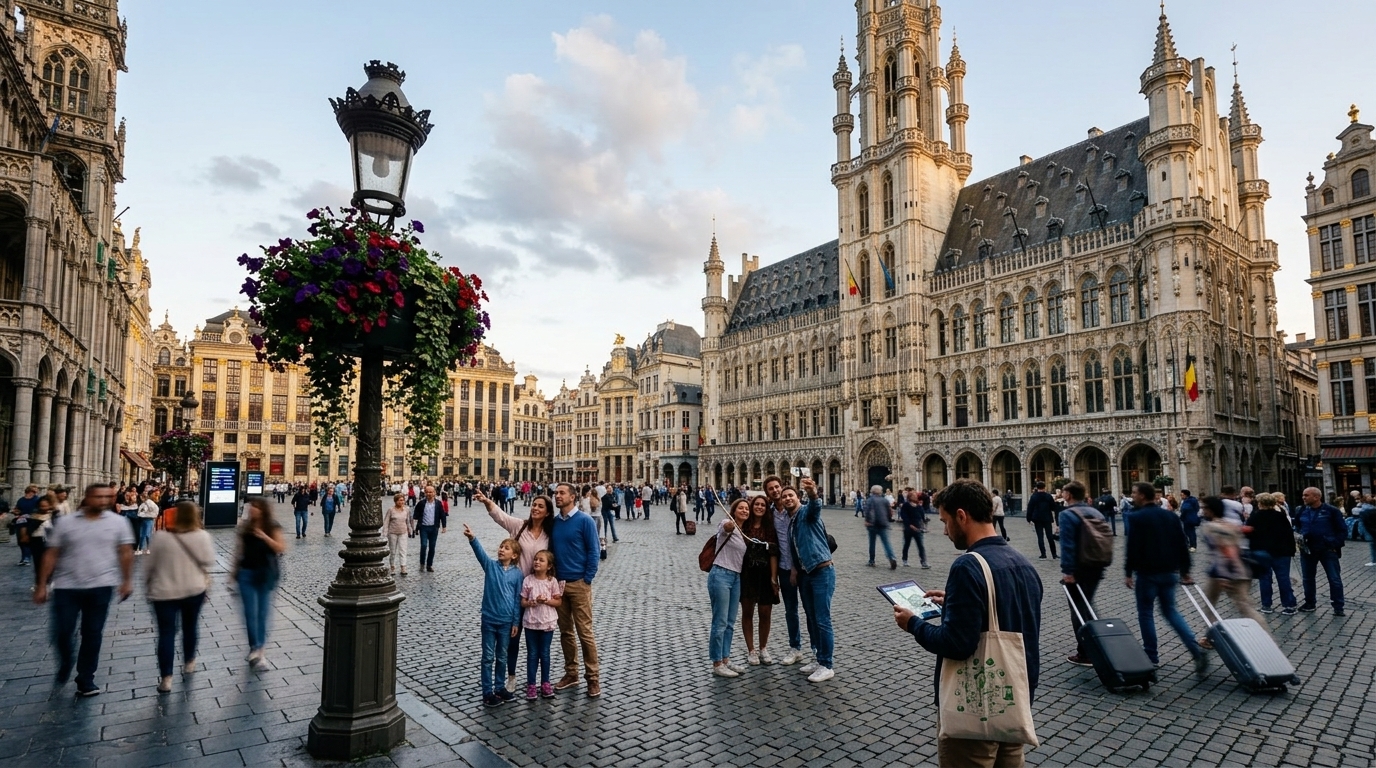
- Predictive Analytics: Destinations can manage visitor flows in real-time, avoiding overtourism at sensitive monuments.
- Hyper-personalization: From hotels that adjust lighting and temperature based on guest preferences to digital assistants recommending routes away from tourist traps.
- Operational Efficiency: The use of AI in supply chain management reduces food waste and energy consumption, contributing simultaneously to profitability and environmental protection.
However, the digital transition also requires corresponding training for the workforce. The WTTC points out that the skills gap is one of the greatest risks to the sector's competitiveness, especially in nations where tourism forms the backbone of the economy.
Economic Resilience and Quality
The shift toward quality over quantity is not merely an aesthetic choice but an economic necessity. A "quality tourist" is not necessarily a wealthy one, but one who respects the destination, stays longer, and spends in the local market rather than only with large international brands. The WTTC strategy urges governments to rethink their success metrics: instead of measuring only airport arrivals, they should measure the net value remaining in the local community and the environmental cost per visitor.
"Tourism can no longer operate in isolation from the needs of local communities. The social license to operate is earned only when residents see tangible benefits in their lives, rather than just rising rents and congestion," industry executives note.
In conclusion, the future of tourism is shaped by a delicate balance. Technology provides the tools, climate change sets the limits, and quality determines the value. For the global market, and specifically for tourism-dependent nations, the challenge is to translate these directives into action, investing in a model that will be resilient to the crises of tomorrow.