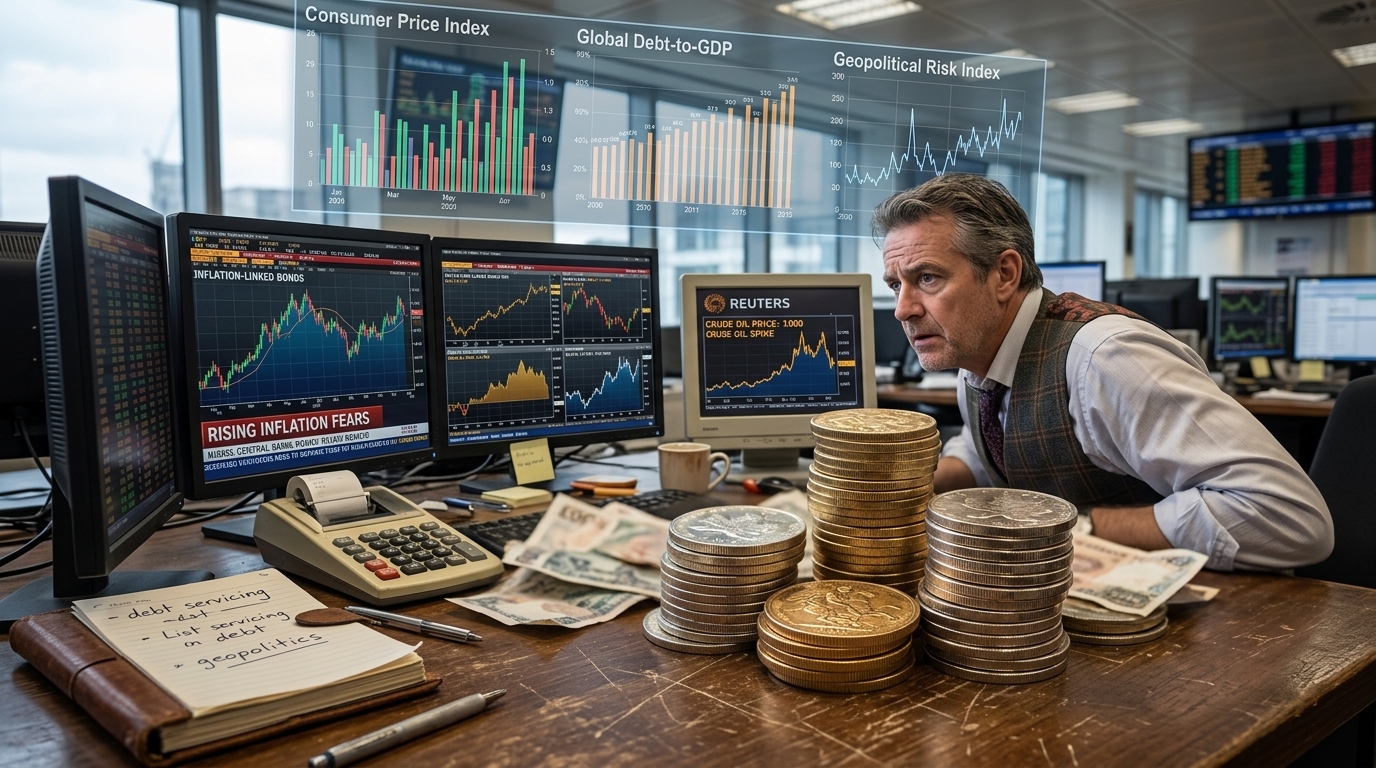
In the high-stakes world of global finance, admitting a mistake is rare; admitting to underestimating an entire technological epoch is almost unprecedented. Dan Loeb, the legendary founder of the hedge fund Third Point, recently issued a public confession that resonated through the corridors of Wall Street: "We were wrong." His admission was not about a poor stock pick, but about the very velocity with which Artificial Intelligence (AI) is reshaping the global economy.
For decades, investors were accustomed to technological cycles that unfolded over years, if not decades. The adoption of the internet, the shift to the cloud, and the smartphone revolution followed a predictable S-curve. However, Generative AI shattered every previous template. What Loeb and many of his peers viewed as a "future prospect" for 2028 or 2030 became a tangible reality within months, disrupting fundamental business models and forcing fund managers to completely overhaul their strategies.
Velocity as a Disruptive Catalyst
Loeb’s core realization, as expressed in his letters to investors, is that AI is not merely a new productivity "tool," but an accelerator that compresses time. In the past, a company needed years to integrate new technology and see results in its bottom line. Today, the integration of Large Language Models (LLMs) into customer service, software engineering, and data management is happening in real-time.
Loeb admitted that Third Point initially approached AI with a dose of skepticism, believing that the hype significantly outweighed the substance. However, the data coming from his portfolio companies suggested otherwise. The ability of AI to slash operating costs and increase the speed of innovation is so dramatic that even the most conservative analysts are forced to concede that we are witnessing a "cognitive industrial revolution."
The Strategic Shift: From Cloud to Compute
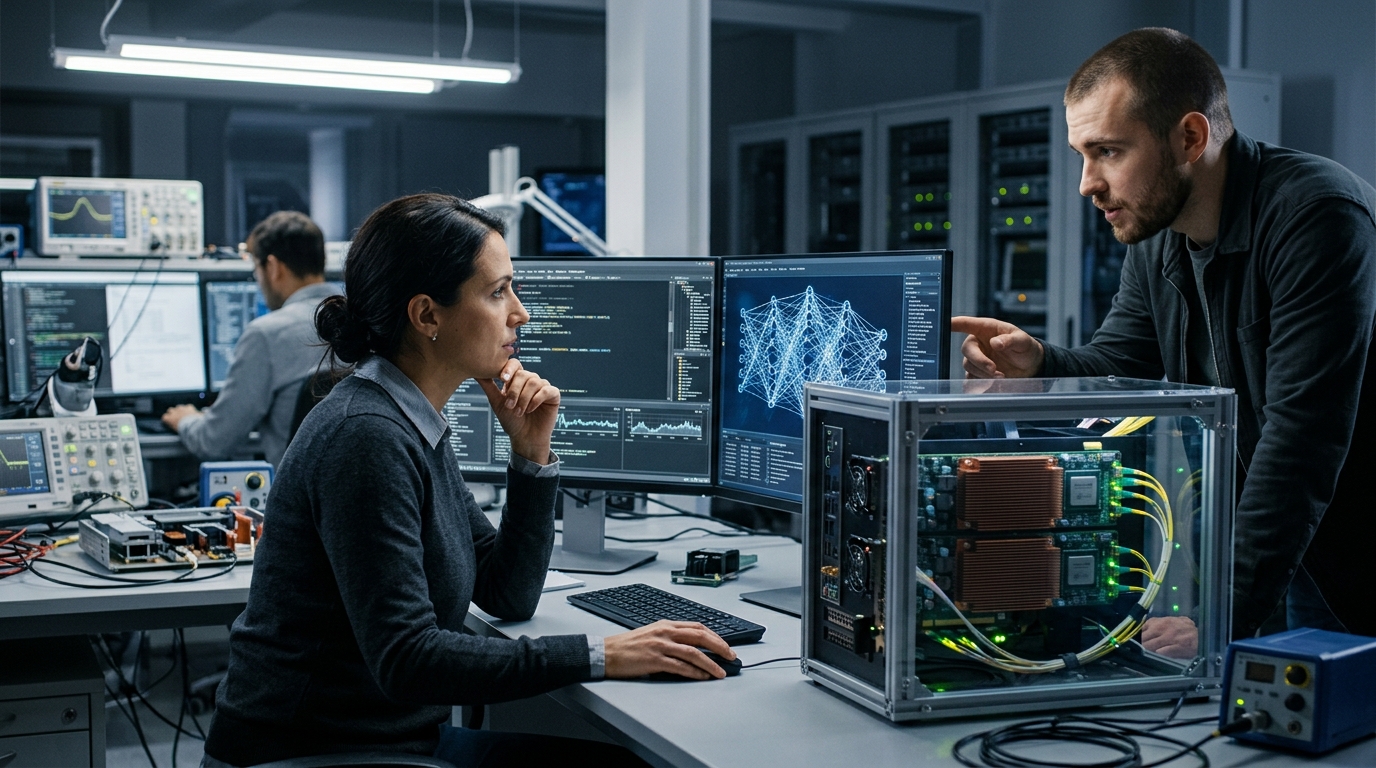
Loeb’s admission was accompanied by a drastic reallocation of capital. Third Point has now significantly increased its exposure to companies that form the "backbone" of AI, such as NVIDIA, Microsoft, and Amazon. Loeb’s analysis highlights that value is shifting from software to computing power (compute) and proprietary data.
- Infrastructure: The demand for AI chips is not a transient bubble but the foundation of a new digital economy.
- Corporate Models: Companies that relied on "human intensity" for routine tasks face obsolescence if they fail to adapt.
- Investment Psychology: Wall Street is moving from the stage of "Fear Of Missing Out" (FOMO) to the stage of "Survival Necessity."
Loeb points out that the biggest surprise was not the existence of the technology itself, but the readiness of enterprises to adopt it. Unlike previous technologies that required specialized personnel, AI is accessible through simple interfaces, making it immediately exploitable by every department within a business.
The Risk of Underestimation and the Path Ahead
Loeb’s warning is clear: those who continue to underestimate AI as a passing fad risk finding themselves on the losing side of history. AI is not just changing "how" we work, but also "who" captures value in the market. The concentration of power among a few tech giants controlling the models and infrastructure is a reality that Wall Street is only now beginning to price correctly.
"The speed at which artificial intelligence is transforming entire industries is the biggest investment surprise of my career," Loeb stated, emphasizing that adaptability is now an investor's most valuable asset.
In conclusion, the case of Dan Loeb serves as a lesson in humility for the global financial elite. In a world moving at the speed of algorithms, admitting a mistake is not a sign of weakness, but a prerequisite for survival in the emerging economic paradigm. The AI era is not coming; it is already here, and it is moving faster than the smartest money in the room ever anticipated.