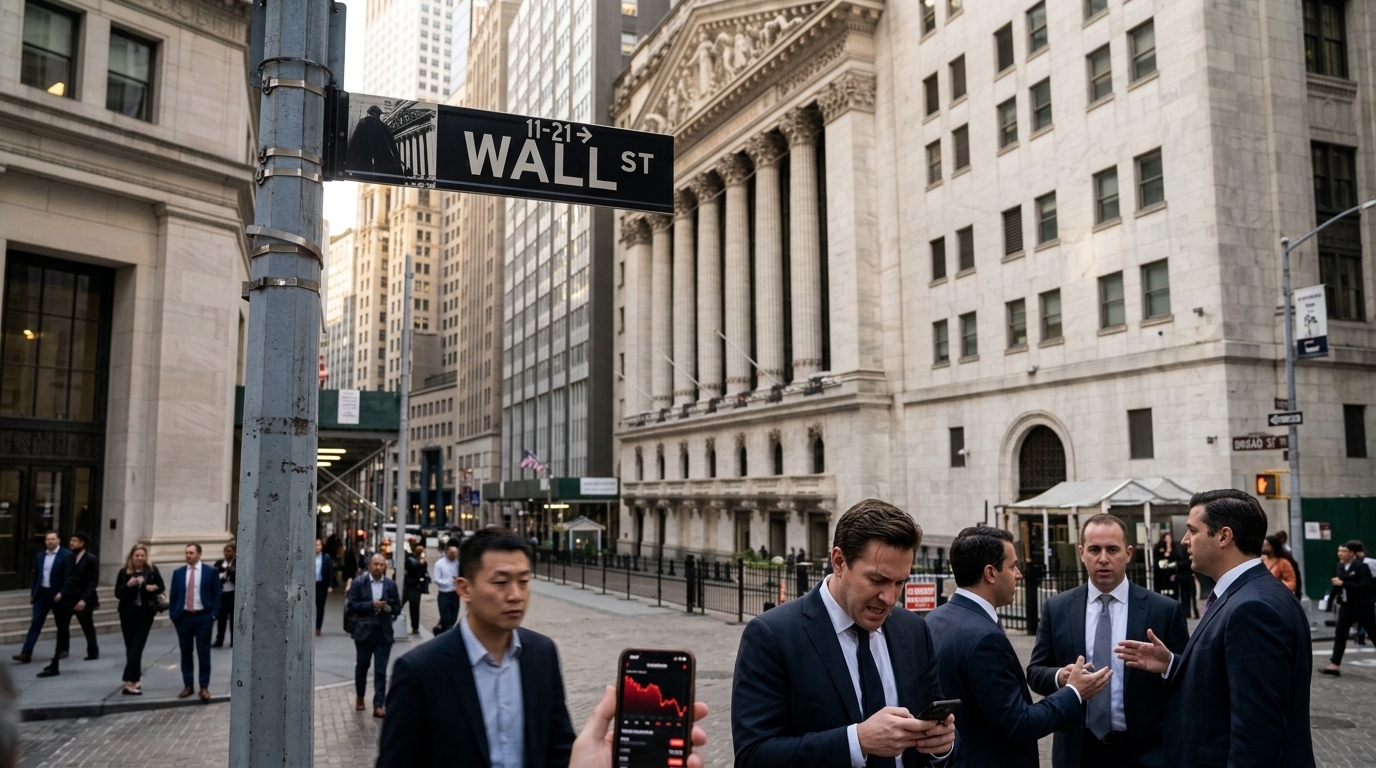
The global economic stage is once again confronted by the specter of geopolitical instability. In recent hours, reports of new U.S. military operations in the Middle East, targeting assets linked to Iran, have triggered an immediate and jittery reaction in international markets. From Tokyo to New York, investors are scrambling to adjust their portfolios as the risk of a broader conflict threatens the fragile balance of global growth in 2026.
'Black Gold' on the Brink
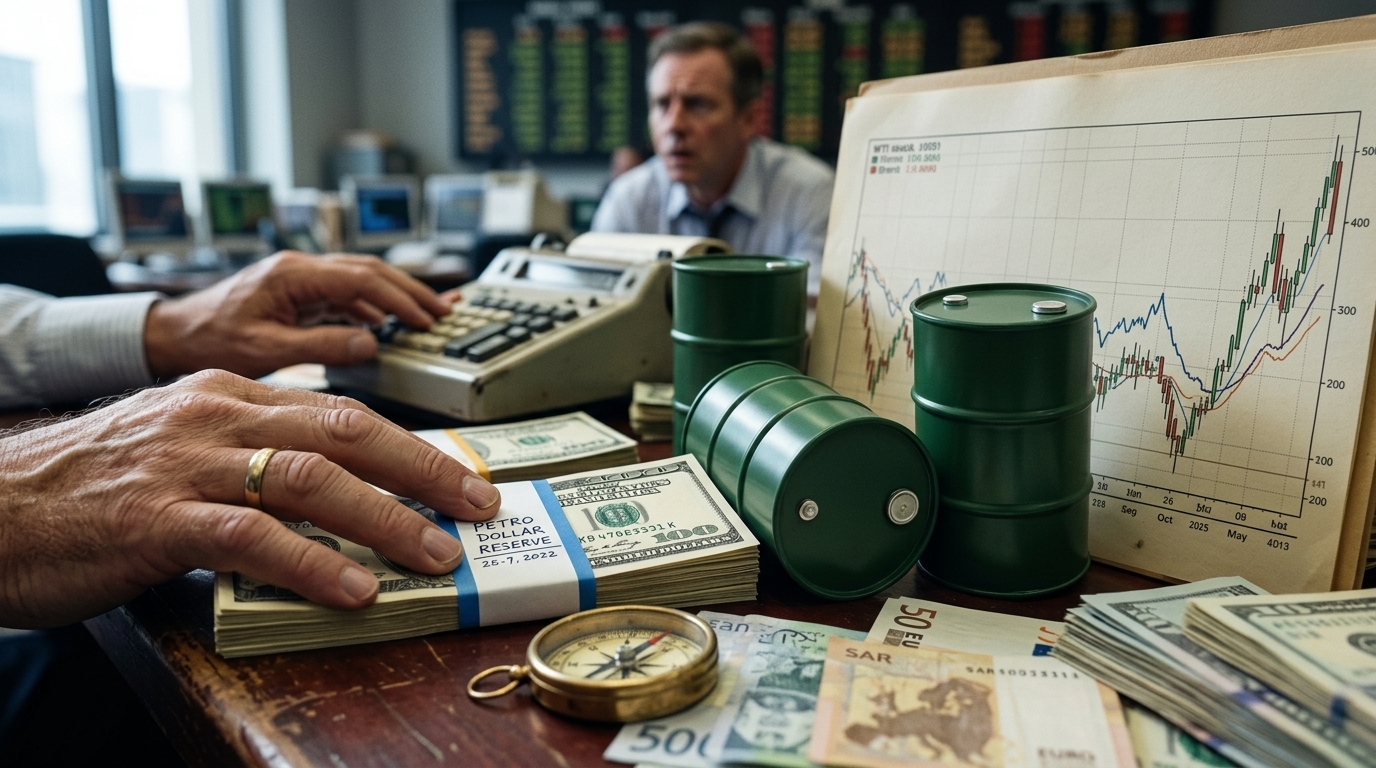
Oil remains, as expected, the most sensitive barometer for such crises. Prices for Brent crude and West Texas Intermediate (WTI) surged immediately following the announcement of the operations, reflecting fears of potential supply disruptions. The Middle East remains the energy heart of the planet, and any threat to the Strait of Hormuz—through which 20% of the world’s oil consumption passes—automatically translates into higher costs for industries and consumers alike.
Market analysts point out that while U.S. production has increased in recent years, the global market remains tight. A prolonged conflict could push prices above the psychological threshold of $100 per barrel, reigniting the inflationary pressures that central banks have been struggling to tame for months. The concern is not limited to oil; natural gas is also at risk, as shipping routes in the Red Sea remain under high-threat status.
Wall Street’s Reaction and the Flight to Safety
On Wall Street, the mood is equally tense. The S&P 500 and Nasdaq indices faced selling pressure, primarily due to uncertainty impacting tech and growth stocks. Conversely, shares of defense contractors and energy giants saw their prices climb, as they are viewed as safe havens during times of armed conflict. Investors are also flocking to traditional safe-haven assets, such as gold and U.S. Treasury bonds, driving the yields of the latter lower.
"The market hates uncertainty more than it hates bad news. What we are seeing now is a classic risk-off reaction, where capital seeks protection until the military landscape becomes clearer," noted a leading strategist in New York.
The nervousness in Asian markets, which opened first after the developments, set the tone. Japan’s Nikkei and Hong Kong’s Hang Seng indices recorded losses, as Asia is heavily dependent on energy imports from the Persian Gulf. The possibility of retaliation from Tehran remains the great unknown, which could escalate the crisis to a regional level.
Impact on Global Supply Chains
Beyond energy prices, the Middle East crisis threatens to destabilize global supply chains once again. Shipping companies are already considering rerouting their vessels to avoid high-risk zones, which increases transportation costs and delivery times. At a time when global trade was attempting to find its rhythm after the disruptions of previous years, a new crisis in maritime routes is the last thing the global economy needs.
- Increased insurance costs for vessels in the region.
- Delays in the delivery of raw materials and consumer goods.
- Pressure on the profit margins of retail companies.
In conclusion, the situation remains fluid. The next 48 hours will be critical in determining whether we will see a de-escalation or enter a new phase of prolonged tension. For investors, the keyword is "caution." Wall Street may have shown resilience in the past, but geopolitics remains the unpredictable factor that can overturn any economic forecast.