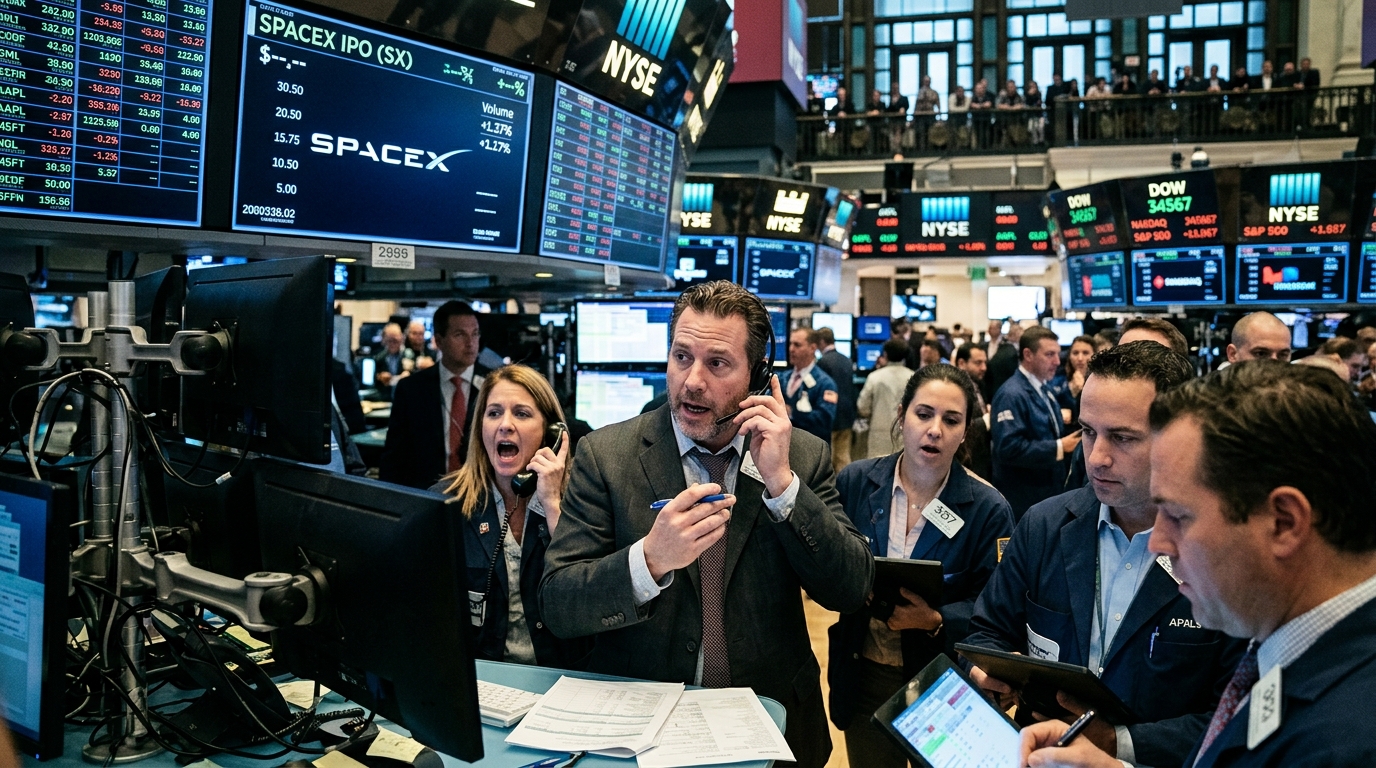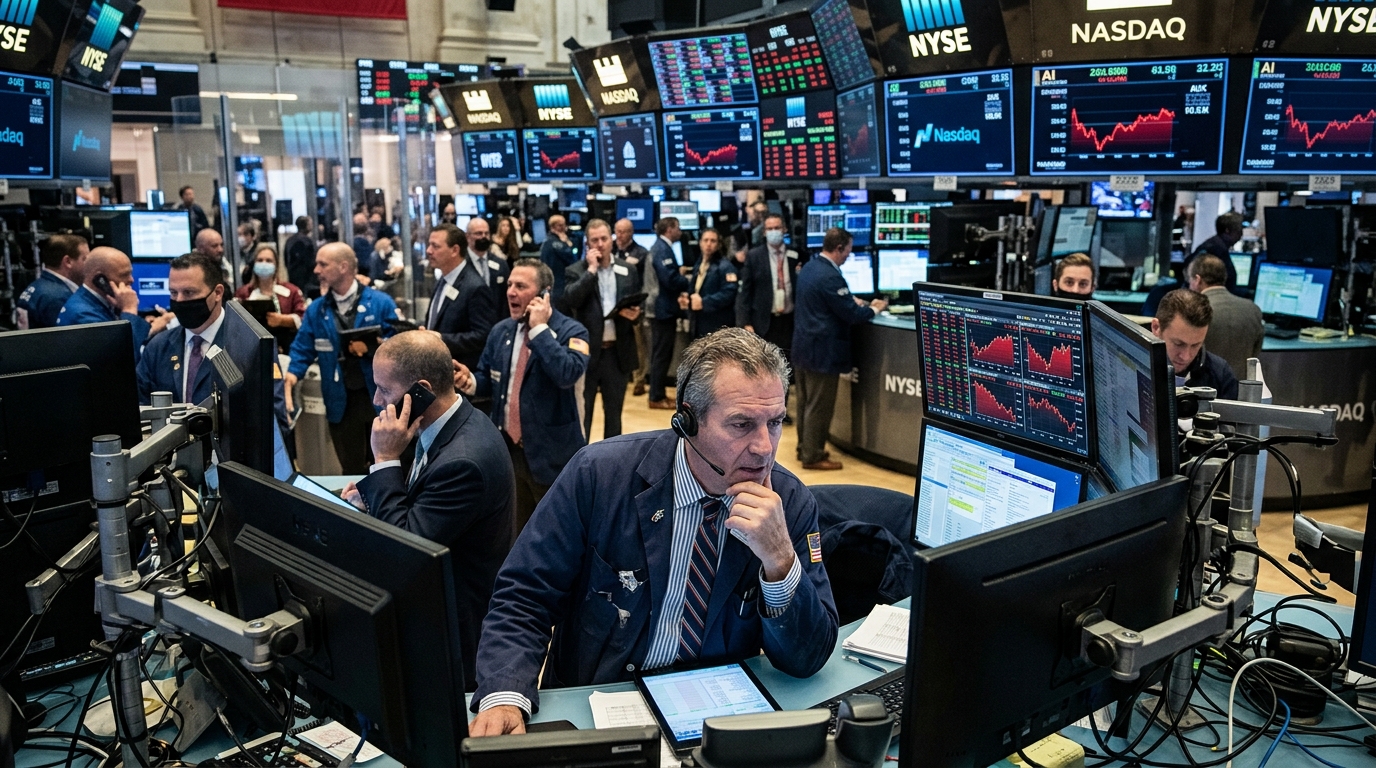
Wall Street is currently traversing one of the most impressive periods in its recent history, recording its longest winning streak since 2023. The driving force behind this explosive rally is none other than Artificial Intelligence (AI), which has transformed from a promising technology into a potent economic engine reshaping the S&P 500 and Nasdaq indices. However, the current euphoria is not based solely on algorithms. Geopolitical de-escalation, centered on encouraging signs of a prolonged ceasefire between the US and Iran, has lifted a significant burden off investors' shoulders, allowing capital to flow unimpeded into tech giants.
The Dominance of AI and the Shift in Investment
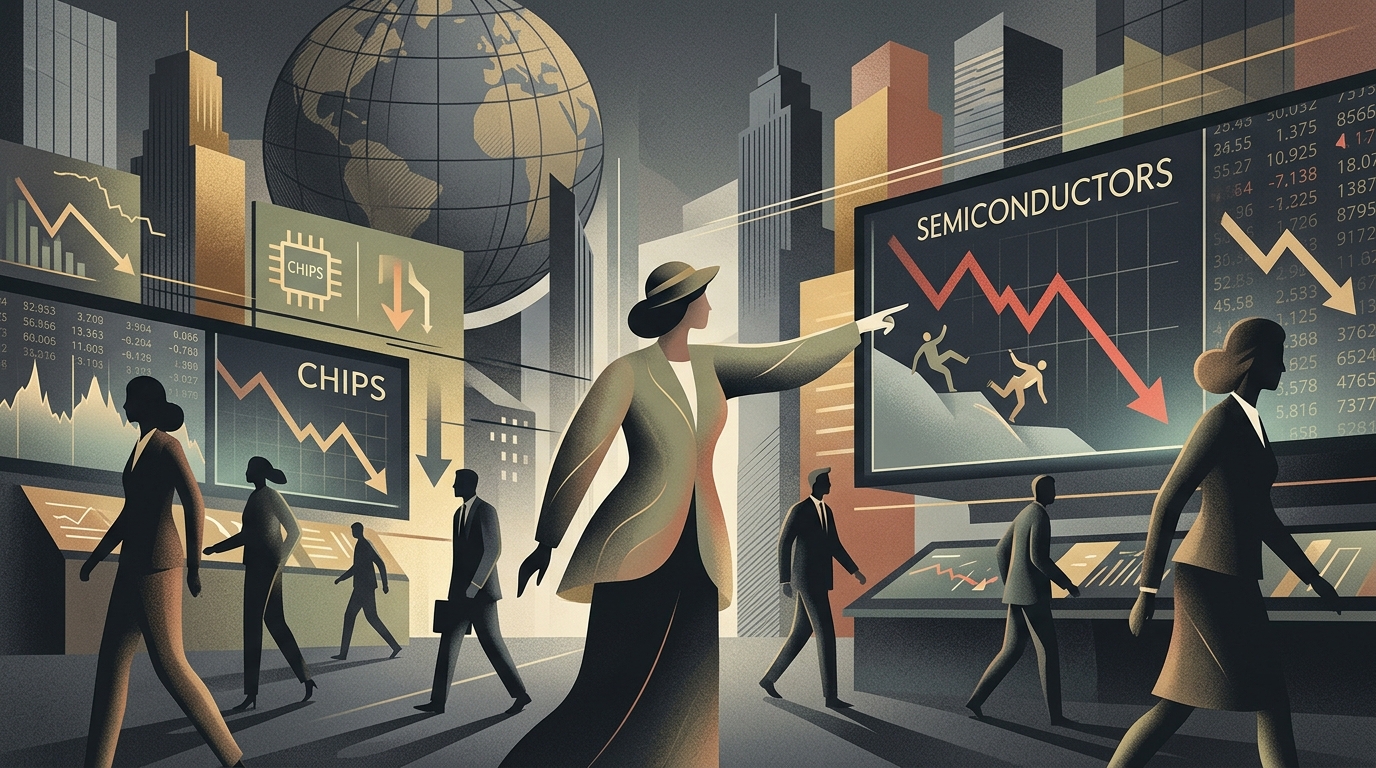
At the heart of this rally lies the undisputed dominance of companies leading the AI revolution. While 2023 was the year of promises, 2026 is proving to be the year of results. Tech titans such as NVIDIA, Microsoft, and Alphabet have successfully integrated generative AI into their core services, now generating tangible profits rather than mere expectations. Demand for semiconductor infrastructure and data centers remains at record levels, driving valuations to heights that many analysts considered unreachable just a few years ago.
However, the difference from the past lies in the breadth of the rally. It is no longer just the "Magnificent Seven" pulling the weight. A new generation of software, cybersecurity, and energy infrastructure companies—supporting the energy-intensive AI ecosystem—is seeing its stock prices soar. Investors seem to be adopting the view that AI is not just a sector of the economy, but the new foundation upon which all global productivity will be built over the next decade.
Geopolitical Breathing Room: The US-Iran Ceasefire
Beyond the technological frenzy, an equally critical factor for market stability is geopolitical normalization. Recent reports of progress in talks between Washington and Tehran have reassured energy markets. The prospect of a prolonged ceasefire reduces the "risk premium" in oil prices, acting as an indirect stimulus for the US economy by limiting inflationary pressures.
For Wall Street, reduced uncertainty in the Middle East means the Federal Reserve has more room to maneuver. With inflation showing signs of stabilization and energy costs under control, expectations for maintaining interest rates at manageable levels—or even further cuts—bolster investor confidence. The market is "buying" peace just as much as it is buying innovation.
Economic Resilience and the Fear of a Bubble
Despite the excitement, voices of skepticism remain. The question looming over the New York Stock Exchange is whether current valuations are sustainable. Price-to-earnings (P/E) ratios in certain tech sectors have reached historical highs, reminding some of the dot-com era. However, proponents of the current rally point out that, unlike in 2000, today's companies possess massive cash reserves and dominant market positions.
Furthermore, the US economy is demonstrating remarkable resilience. The labor market remains strong, and consumer spending shows no signs of waning despite the high interest rates of previous years. The integration of AI into production processes is expected to increase corporate profit margins, offsetting higher borrowing costs. If the current streak continues, Wall Street may confirm that we are at the beginning of a new growth "supercycle," fueled by digital intelligence and geopolitical stability.