May 17, 2026, finds the global economy at a critical juncture. With inflation showing signs of persistent stability and AI-driven productivity reshaping the labor market, Wall Street’s gaze is fixed on one individual: Kevin Warsh. His potential ascent to the leadership of the Federal Reserve (Fed) is not merely an administrative shift; it is a signal for the future of the dollar and global markets.
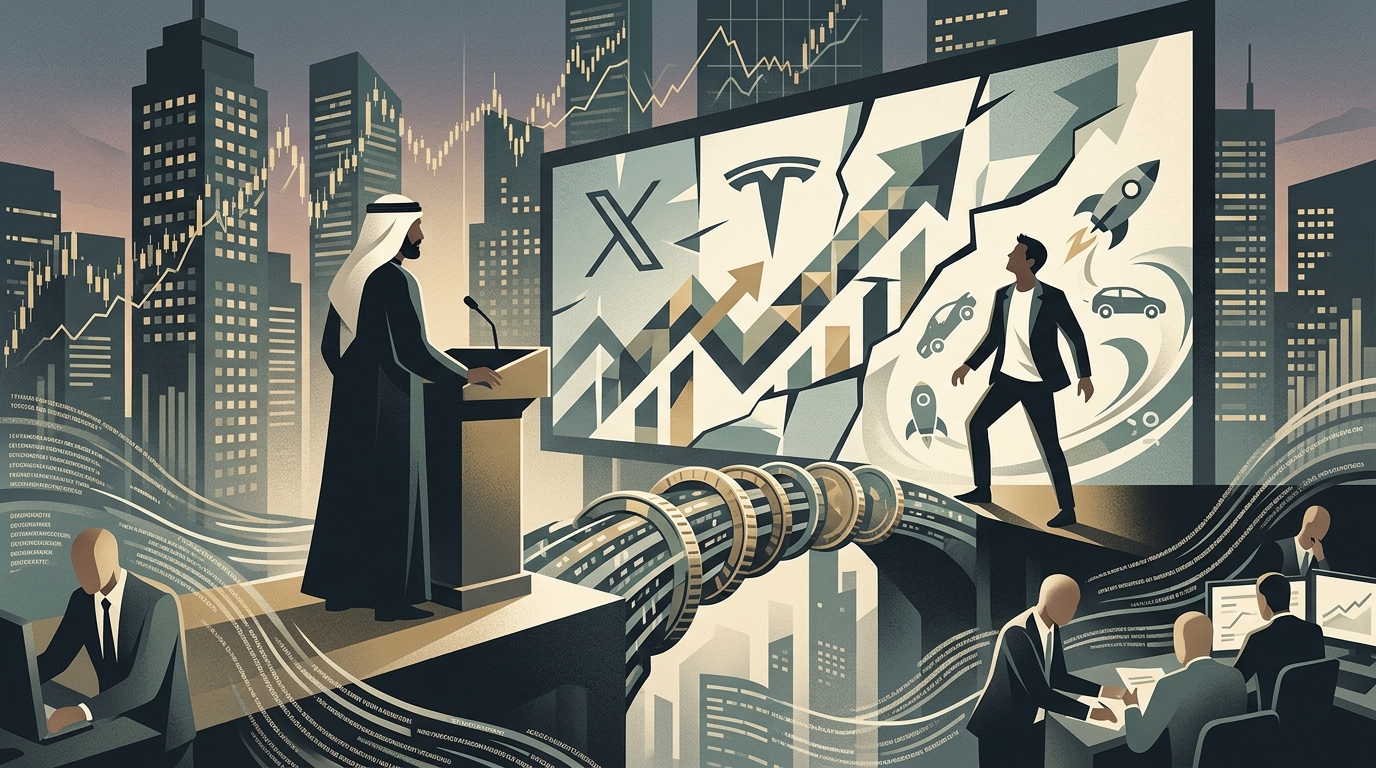
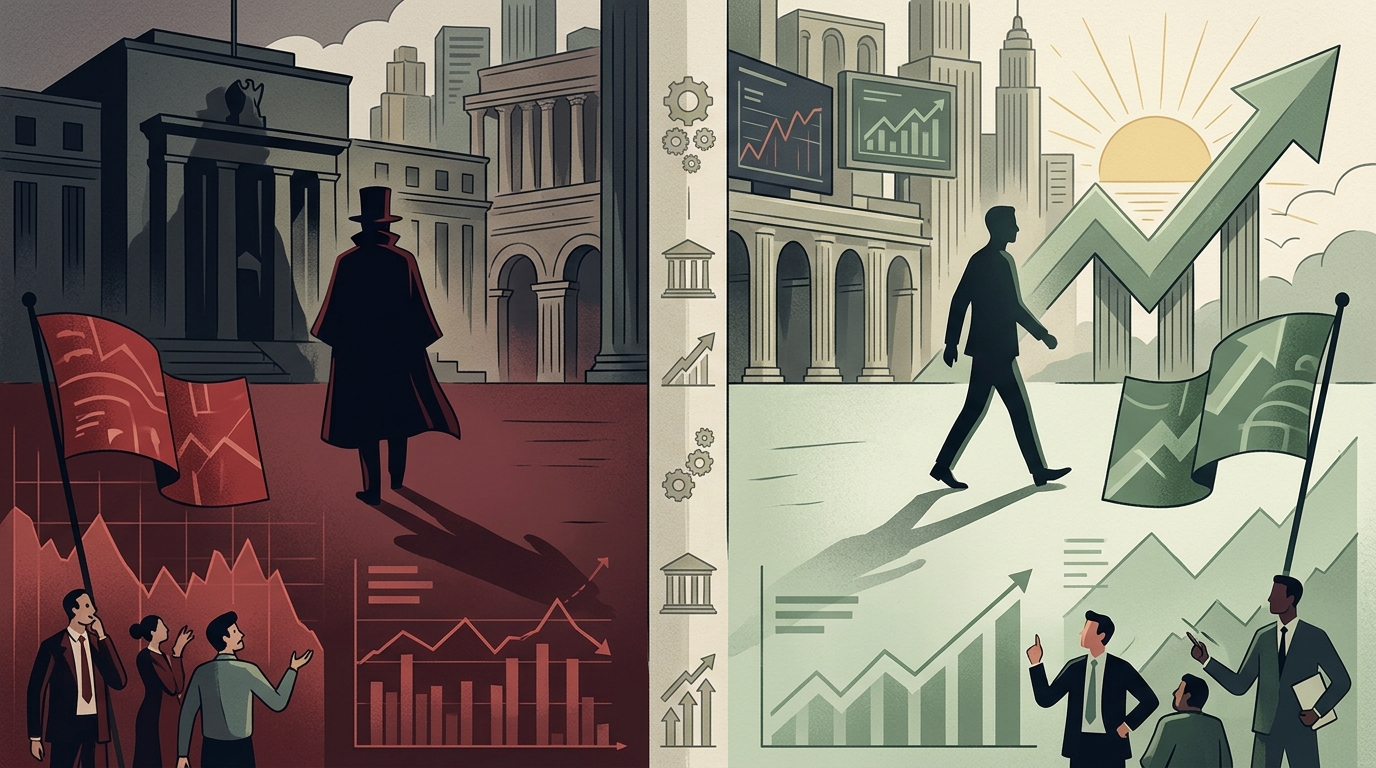
Recent congressional hearings have been dismissed by many as "political theater." Warsh, a Morgan Stanley veteran and former member of the Fed’s Board of Governors, skillfully navigated the traps set by lawmakers, maintaining a stance that analysts describe as "strategically ambiguous." However, for seasoned Fed watchers, the red and green flags are already visible beneath the surface.
The Hawk’s Profile and the Morgan Stanley Legacy
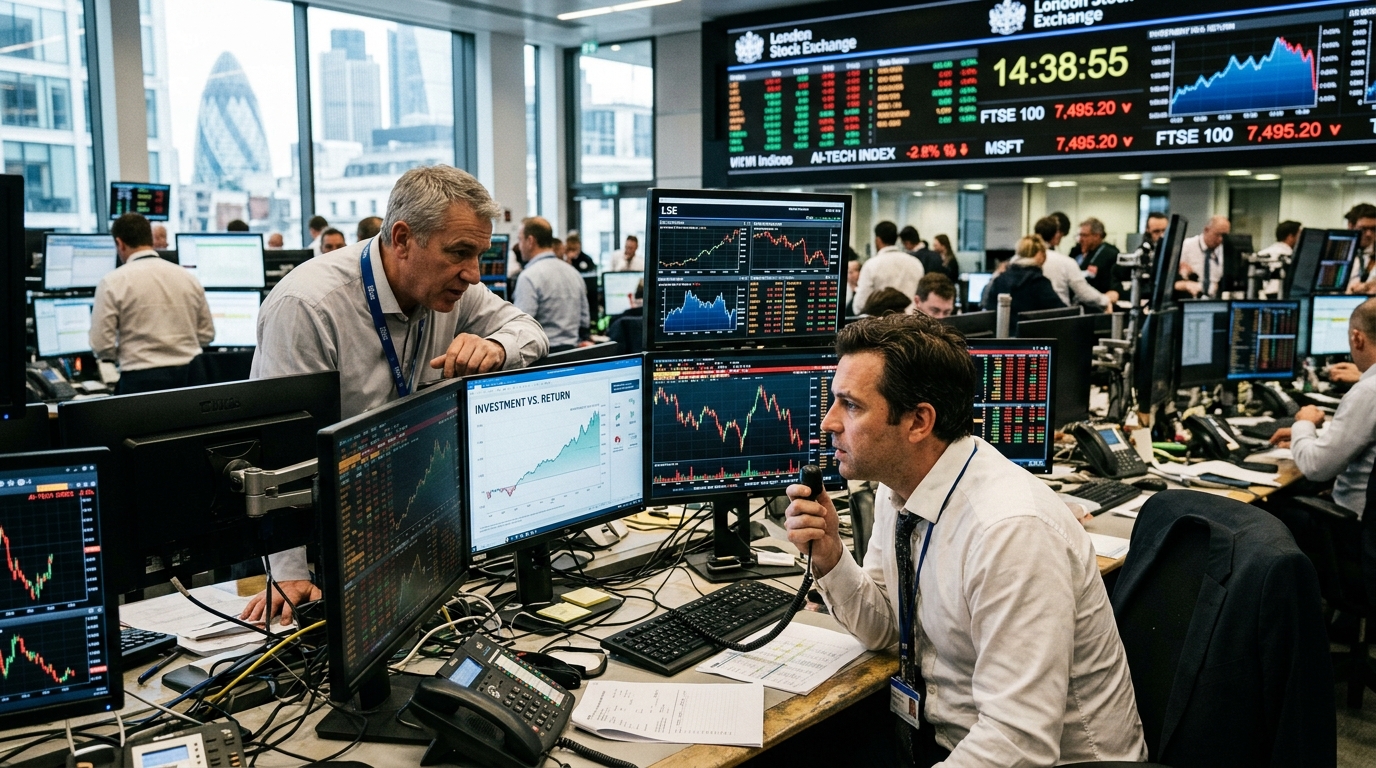
Wall Street sees in Warsh a man who "speaks their language." His tenure in the private sector provides him with a deep understanding of market mechanics that academic economists often lack. This is the first "green flag": the belief that Warsh understands liquidity and the importance of smooth financial market operations during times of stress.
However, this very proximity to the financial establishment is a "red flag" for others. There is a fear that a Fed Chair with such close ties to Wall Street might prioritize asset price stability over full employment. Historically, Warsh has been identified with the "hawkish" school of thought, often voicing inflation concerns long before they became a threat. In an environment where growth remains fragile, his insistence on a tight monetary policy could trigger a "hard landing" for the economy.
Fed Independence in a Politicized Era
Perhaps the most critical issue concerning investors in 2026 is the preservation of Federal Reserve independence. In an era of intense political polarization, Warsh must prove that the Fed will not become a tool for any administration. Critics point out that his political connections could make him vulnerable to pressure for lower interest rates ahead of elections, despite his stated advocacy for fiscal discipline.
The "green light" here is his rhetoric regarding the need to shrink the Fed’s balance sheet. Warsh has long argued that the central bank has overextended its presence in markets through Quantitative Easing (QE). His intention to withdraw the Fed from its role as the "buyer of last resort" is seen by many as a return to orthodox central banking, which could bolster confidence in the US currency in the long run.
The Challenge of AI and the New Economy
Warsh is tasked not only with managing interest rates but also with navigating a productivity transformation. The AI boom of 2025 and 2026 has created a paradox: high growth with low inflation in some sectors, but rising inequality and wage pressures in others. Warsh’s ability to integrate these new data points into decision-making will determine his success.
- Predictability: Markets crave clarity. If Warsh can present a roadmap that does not catch investors off guard, volatility will decrease.
- Inflationary Expectations: His reputation as a hawk may act as a deterrent to price hikes, as markets will believe in his resolve.
- International Cooperation: In a fragmented world, his stance toward the ECB and the Bank of Japan will be decisive for exchange rates.
In conclusion, Kevin Warsh represents a return to a more traditional, perhaps stricter, approach to monetary policy. For Wall Street, this is a double-edged sword: on one hand, it offers the reassurance of an experienced market insider; on the other, it carries the risk of a period of "expensive money" that could dampen the momentum of technological investments. The bet is whether Warsh can transform from a clever player of political theater into a wise architect of economic stability.