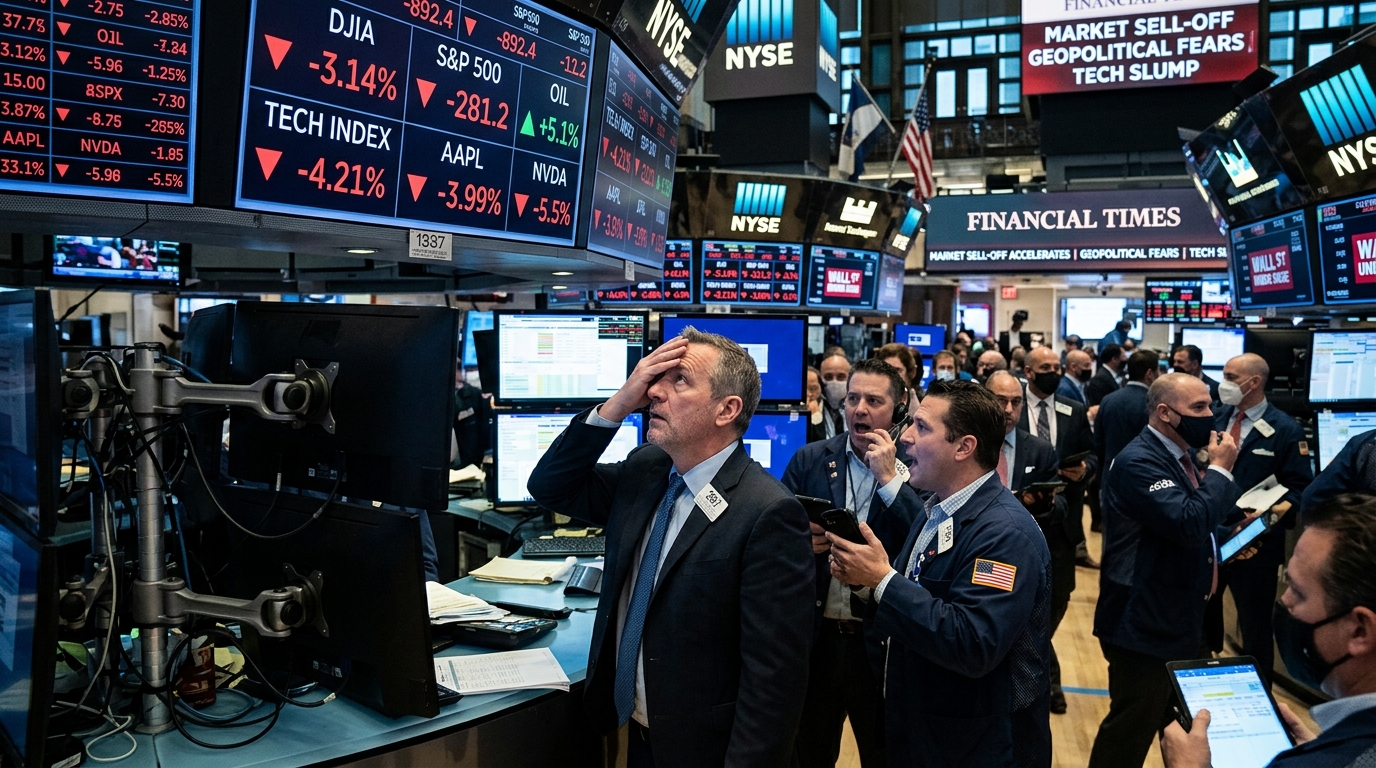
June 11, 2026, will likely be remembered as the day geopolitical reality shattered the complacent optimism of international markets. Wall Street's main indexes saw a significant retreat, falling by more than 1% in a session marked by high volatility and heavy liquidation. The catalyst? A volatile cocktail of fears regarding an imminent military conflict with Iran combined with a sharp correction in the technology sector, which had been the primary engine of global economic growth.
The Shadow of Conflict Over Manhattan
Rumors of escalating hostilities in the Middle East are not a new phenomenon, but today's tension carries a different weight. Reports of troop movements and increasingly bellicose rhetoric between Washington and Tehran have fostered an environment of uncertainty—a state markets notoriously despise. Fears over a potential blockade of the Strait of Hormuz, the world's most vital artery for oil transit, sent crude prices surging, reigniting concerns over a new wave of inflation.
Investors reacted instinctively, shifting capital away from 'risk-on' assets like equities and seeking sanctuary in gold and government bonds. The yield on the 10-year U.S. Treasury fell as demand spiked, reflecting a desperate search for safety at a time when diplomatic avenues appear to be narrowing. The geopolitical chessboard of the Middle East now has a direct and immediate impact on the retirement portfolios and retail investments of people from Ohio to London.
The Tech Correction: A Reality Check
Parallel to geopolitical anxieties, the technology sector—the undisputed champion of the past few years fueled by the Artificial Intelligence boom—took a severe beating. Shares of the so-called 'Magnificent Seven' saw their valuations shrink significantly within hours. Analysts suggest that the sky-high prices of these stocks had priced in a level of perfection that current global realities simply cannot sustain.
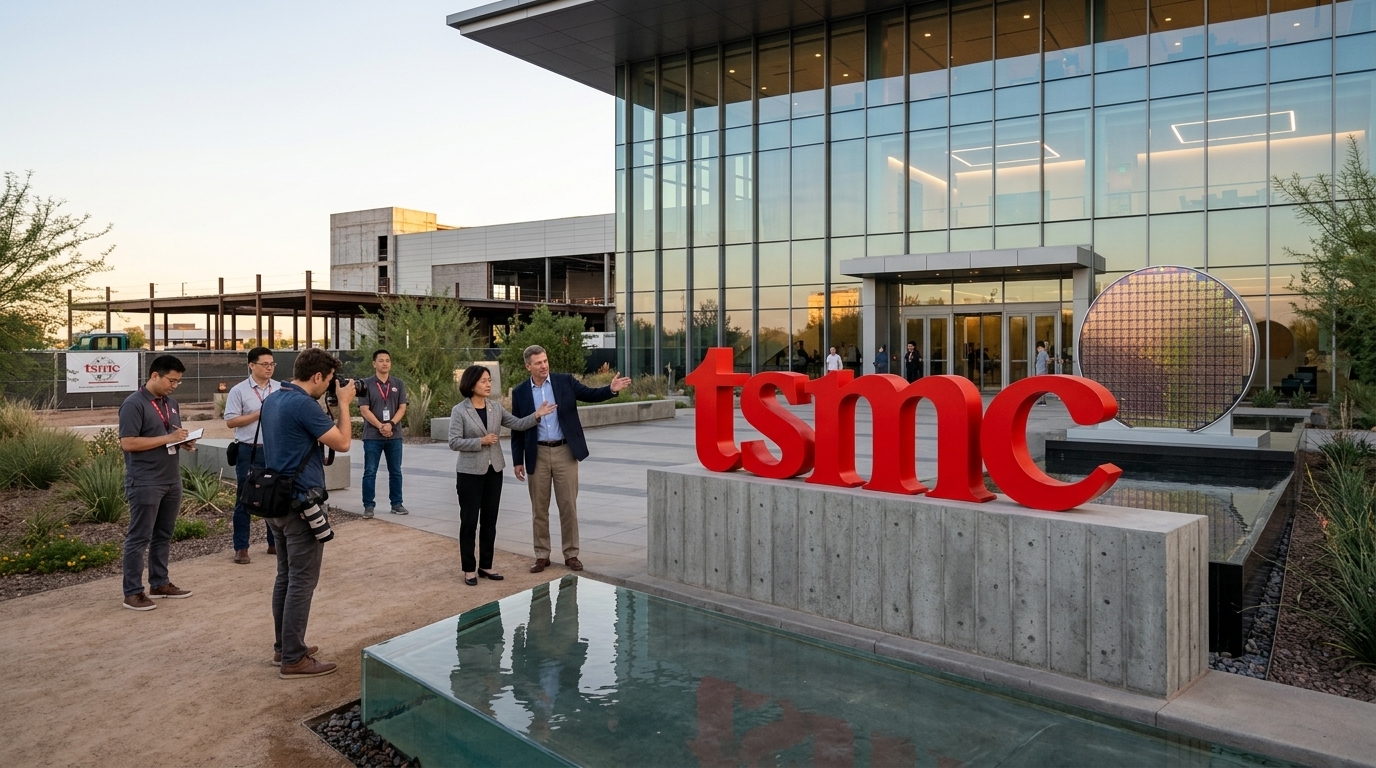
- Concerns regarding the semiconductor supply chain in the event of a regional war.
- The likelihood of interest rates remaining higher for longer due to energy-driven inflation.
- Institutional investors seizing the opportunity to lock in profits after a prolonged rally.
The Nasdaq’s 1.4% drop indicates that technology is no longer the invulnerable fortress many believed it to be. The dependency of tech giants on global peace and the free flow of commerce is absolute. When the drums of war begin to beat, trading algorithms react faster than humans, triggering a cascade of sell orders that is difficult to halt once set in motion.
Macroeconomic Fallout and the Fed's Dilemma
The Federal Reserve now finds itself in an incredibly precarious position. On one hand, the economic slowdown signaled by the market's retreat could justify a rate cut to stimulate growth. On the other hand, rising oil prices threaten to reignite inflation, which would force the central bank to keep rates restrictive. This dilemma, often referred to as stagflation, is the ultimate nightmare for any central banker.
"We are not just seeing a market correction; we are witnessing a re-evaluation of global risk," stated a senior Wall Street analyst. "If the situation with Iran spirals out of control, today's 1% drop will look like a footnote compared to what could follow."
In conclusion, today's decline in the indexes is more than just a statistical blip. It serves as a stark reminder that the economy does not operate in a vacuum. Technology, despite its transformative power, remains susceptible to geopolitical tremors. The coming days will be pivotal as investors closely monitor every diplomatic maneuver, hoping that reason prevails over rhetoric, allowing markets to regain their footing in an increasingly fractured world.