The global economy is once again facing the specter of stagflation as the armed conflict in Iran becomes a catalyst for profound economic destabilization. According to the latest data released, the Consumer Price Index (CPI) in the United States has surged to its highest point in three years, upending the Federal Reserve's strategic planning and causing significant distress to households and businesses alike.
The Energy Trap and the Strait of Hormuz
The primary driver of this inflationary explosion is none other than the cost of energy. With Iran being a pivotal player in global oil production and, crucially, controlling the transit through the Strait of Hormuz, the military conflict has driven crude oil prices to levels exceeding $120 per barrel. The market is reacting with panic to the possibility of a prolonged blockade, which would deprive global consumption of millions of barrels per day.
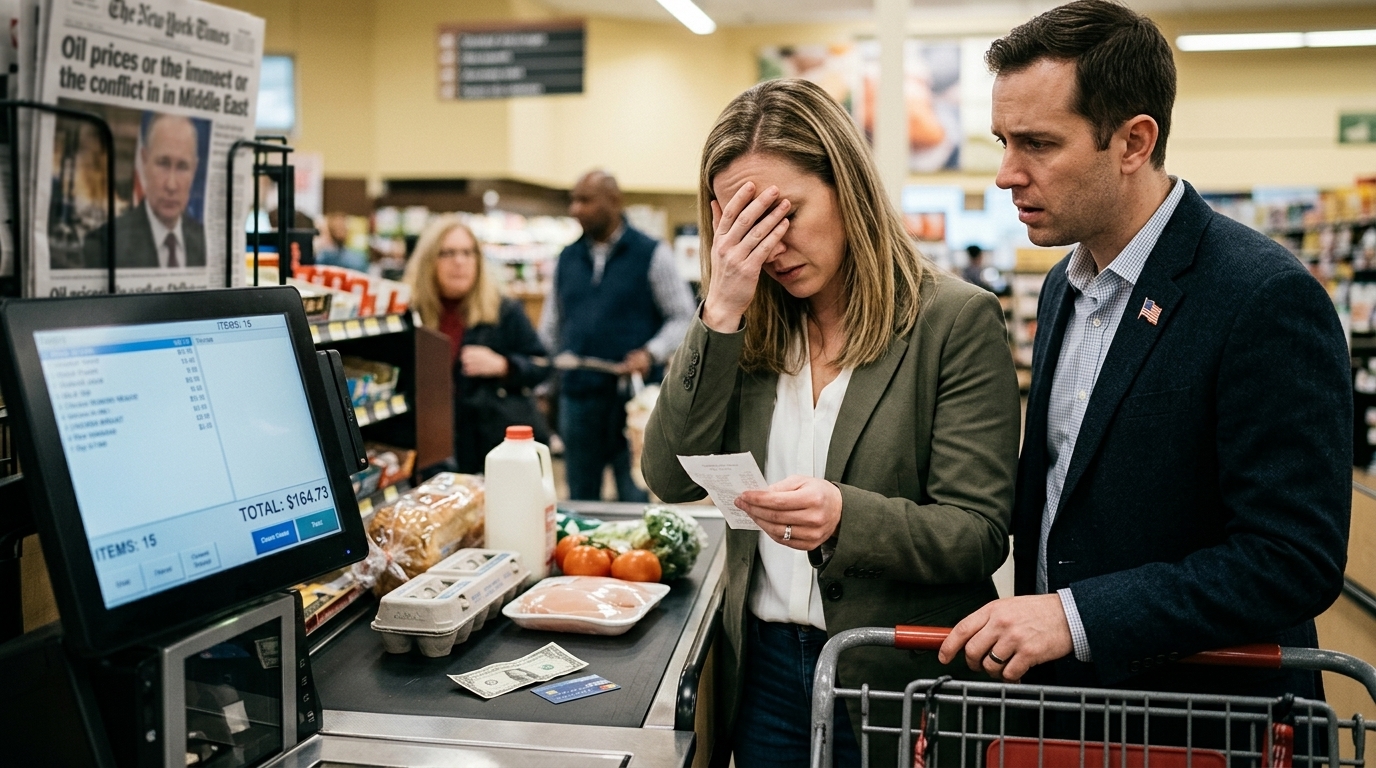
The spike in gasoline prices in the US has triggered a domino effect. From the cost of transporting goods to airfares and home heating, every facet of the supply chain is being burdened. Analysts point out that this "imported" inflation is the most difficult to combat, as it does not depend on domestic demand but on exogenous geopolitical factors beyond the control of central bankers.
The Fed Between a Rock and a Hard Place
Jerome Powell and the Fed board now face a painful dilemma. Until a few months ago, the narrative was focused on a "soft landing" for the economy. Today, with inflation galloping, the need for further interest rate hikes is back on the table. However, such a move during a period when global growth is slowing due to the war risks pushing the American economy into a deep and prolonged recession.
Bond markets are already reflecting this uncertainty. Ten-year Treasury yields have soared as investors price in the likelihood that borrowing costs will remain elevated for much longer than previously anticipated. This uncertainty particularly hits the real estate sector and small-to-medium enterprises, which see their debt service costs becoming unsustainable.
The Role of AI in Crisis Prediction
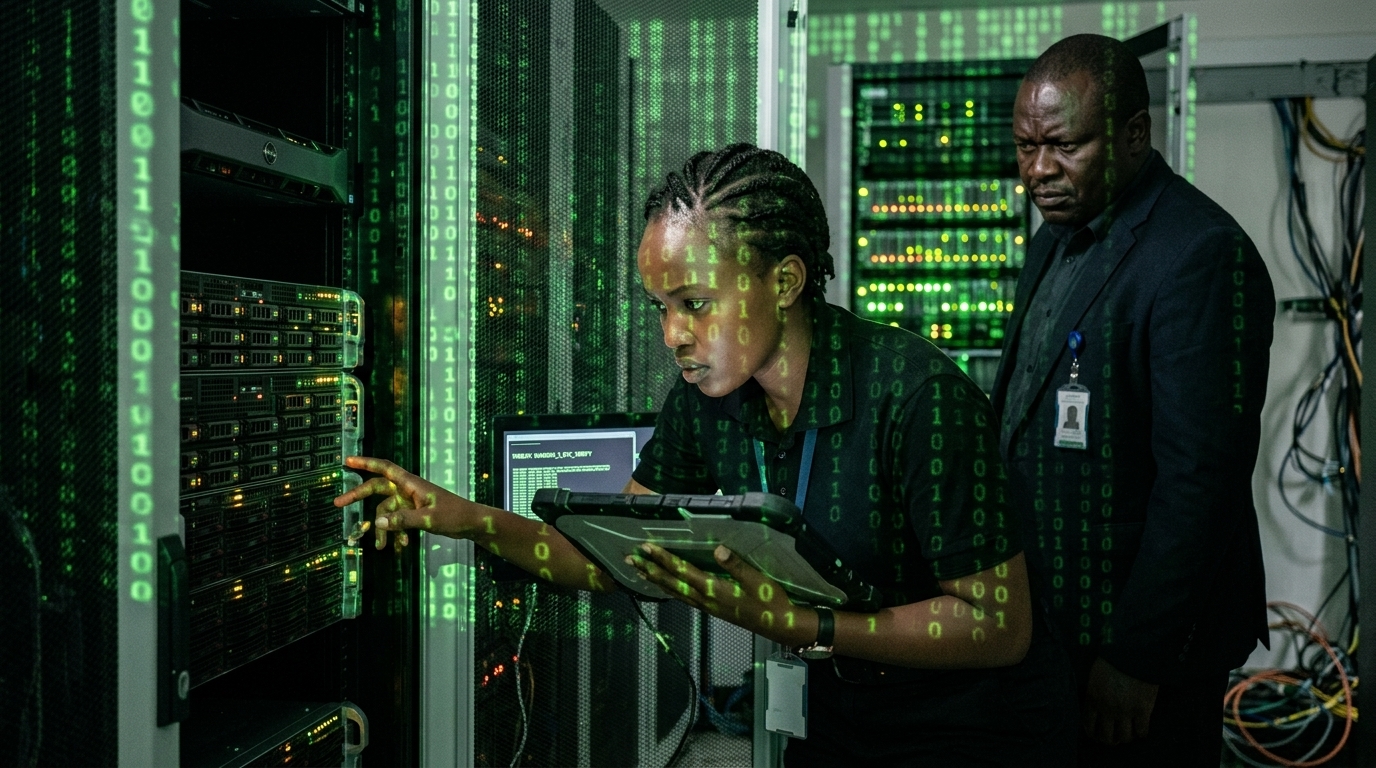
At The AI Chronicle, we are closely monitoring how advanced artificial intelligence models reacted to this crisis. While traditional economic analysts were blindsided by the speed of the escalation, algorithmic risk prediction systems had begun signaling red alerts from the very first troop movements. Using Big Data to analyze tanker movements and satellite imagery at borders allowed certain hedge funds to hedge their positions, though this simultaneously exacerbated price volatility through automated sell-offs.
- Food prices are expected to rise by 15% over the next quarter.
- The semiconductor supply chain is facing new pressures due to freight costs.
- Europe remains the most vulnerable region due to its heavy reliance on energy imports.
In conclusion, the war in Iran is not merely a regional conflict. It is an economic time bomb threatening to erase the gains of the post-pandemic recovery. The international community is called upon to find diplomatic solutions, not only to avoid humanitarian catastrophe but also to rescue a global economic stability that is currently hanging by a thread.