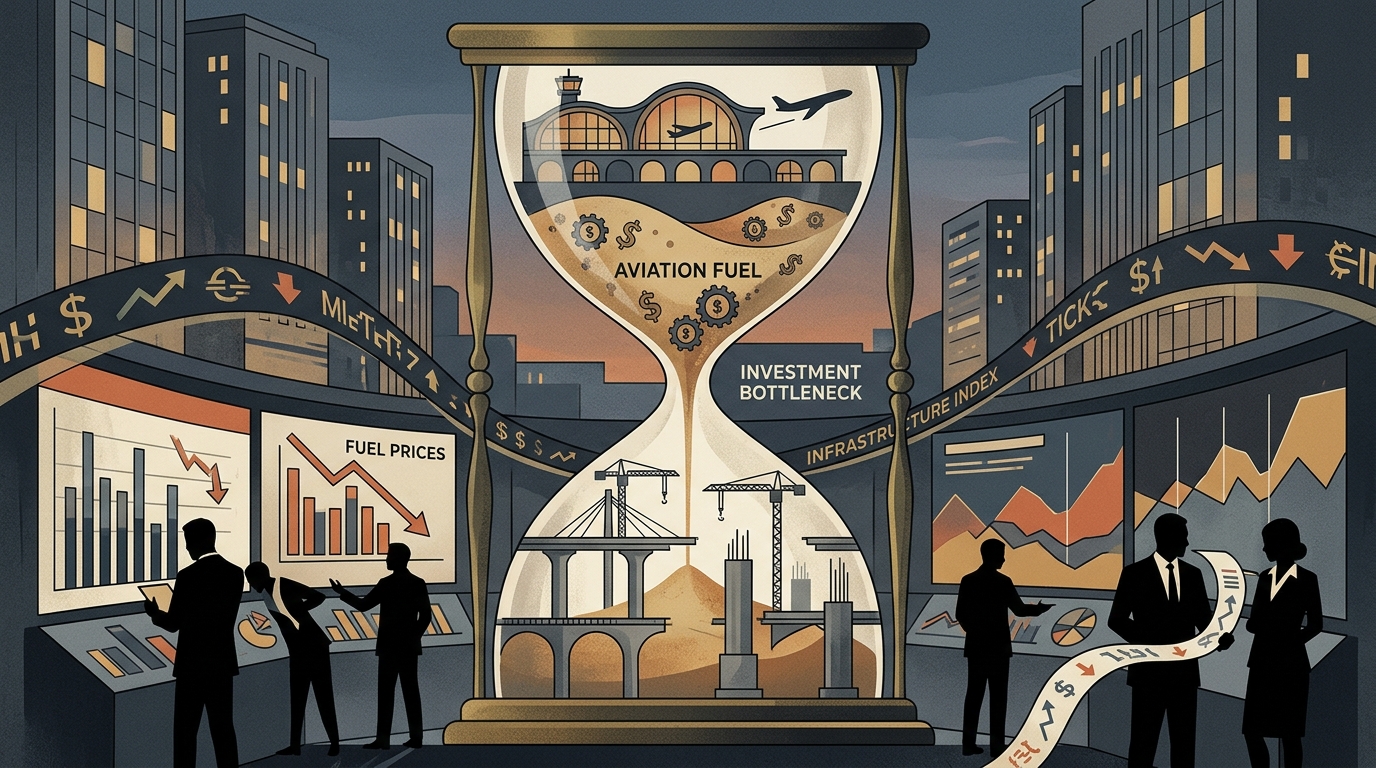
The atmosphere at this year's Delphi Economic Forum was charged with a sense of urgency, as geopolitical upheavals in the broader Middle East region began to cast a heavy shadow over the Greek economy. Apostolos Tzitzikostas, speaking from the forum's podium, made a statement that caused a stir: the country's aviation fuel reserves are sufficient only until June. This admission is not merely a technical detail but a clear warning about the vulnerability of supply chains at a time when Greece is preparing for another dynamic tourist season.
The Shadow of the Strait of Hormuz
The root cause of this pressure is located thousands of miles away, in the Strait of Hormuz. Increasing tension in the region has caused disruptions in the flow of oil and its derivatives, directly affecting the prices and availability of aviation fuel (Jet A1). Mr. Tzitzikostas emphasized that Europe's, and specifically Greece's, dependence on these passages remains the Achilles' heel of our energy security. The concern is intensified by the fact that June is the key month for the start of mass tourist arrivals, and any shortage or excessive cost increase could be passed directly onto ticket prices, harming the competitiveness of the Greek tourism product.
Analysts point out that the situation requires immediate activation of strategic reserves and the search for alternative supply routes. However, the global fuel market is already strained, and the shift toward Sustainable Aviation Fuels (SAF) has not yet progressed to the point where it can fill the gap left by traditional fossil fuels during times of crisis.
The National Strategic Transport Plan
Despite the grim forecasts for fuel, the Delphi Forum also served as the platform for presenting the vision for the next decade. The Deputy Minister of Infrastructure and Transport, Christos Dimas, along with Mr. Tzitzikostas, analyzed the plan for upgrading the country's infrastructure. The focus is on connectivity: the railway must finally meet the ports. The plan includes investments of billions of euros to modernize the rail network, with an emphasis on the Thessaloniki - Toxotes line and connecting the country's major ports (Piraeus, Thessaloniki, Alexandroupoli) with the European transport network.
- Modernization of the North-South railway axis.
- Digitization of air traffic control systems to reduce delays.
- Strengthening logistics centers to establish Greece as Asia's gateway to Europe.
- Promotion of electromobility in urban public transport.
Mr. Dimas stressed that Greece cannot remain a passive observer of developments. Infrastructure development is the only way to shield the economy against future crises. The "Railway Egnatia" and the upgrade of regional airports are the building blocks of a strategy aimed at reducing the carbon footprint while simultaneously increasing the country's operational capacity.
The Challenge of the Green Transition
At the center of the discussions was the need for faster adoption of SAF. The European Union, through the ReFuelEU Aviation initiative, is gradually mandating the blending of sustainable fuels with traditional ones. However, the production cost of SAF remains prohibitive for many airlines. Mr. Tzitzikostas pointed out that the crisis in the Strait of Hormuz might serve as a catalyst for accelerating investments in domestic biofuel production units, thereby reducing dependence on imports from unstable regions.
"We do not have the luxury of waiting for the next crisis to act. June is near, but 2030 is even closer in terms of our climate obligations," stated a senior aviation industry executive on the sidelines of the conference.
In conclusion, Greece stands at a crossroads. On one hand, the immediate threat of fuel shortages requires delicate handling and diplomatic alertness. On the other, the long-term infrastructure plan promises a more resilient and connected country. Success will be judged by the speed of project implementation and the government's ability to ensure energy flow in an environment that increasingly resembles a "minefield."