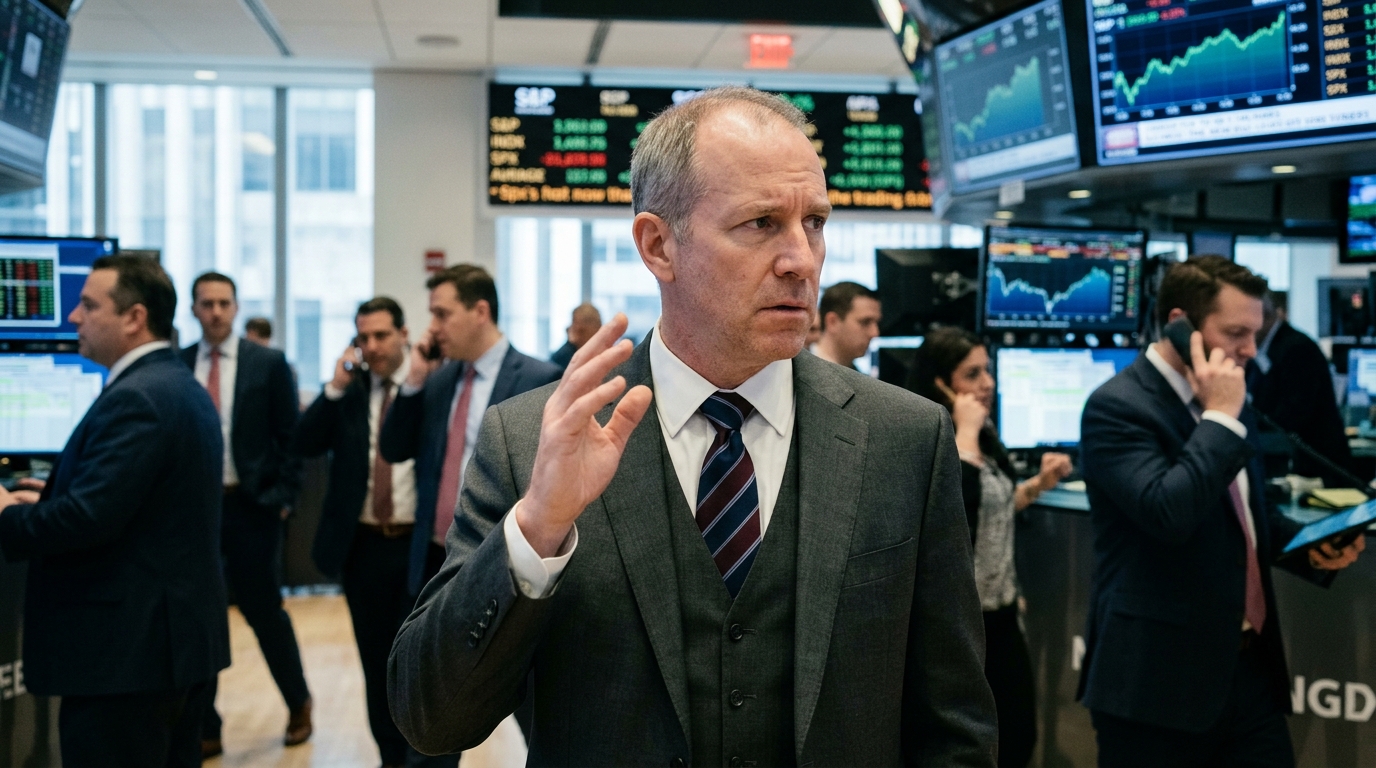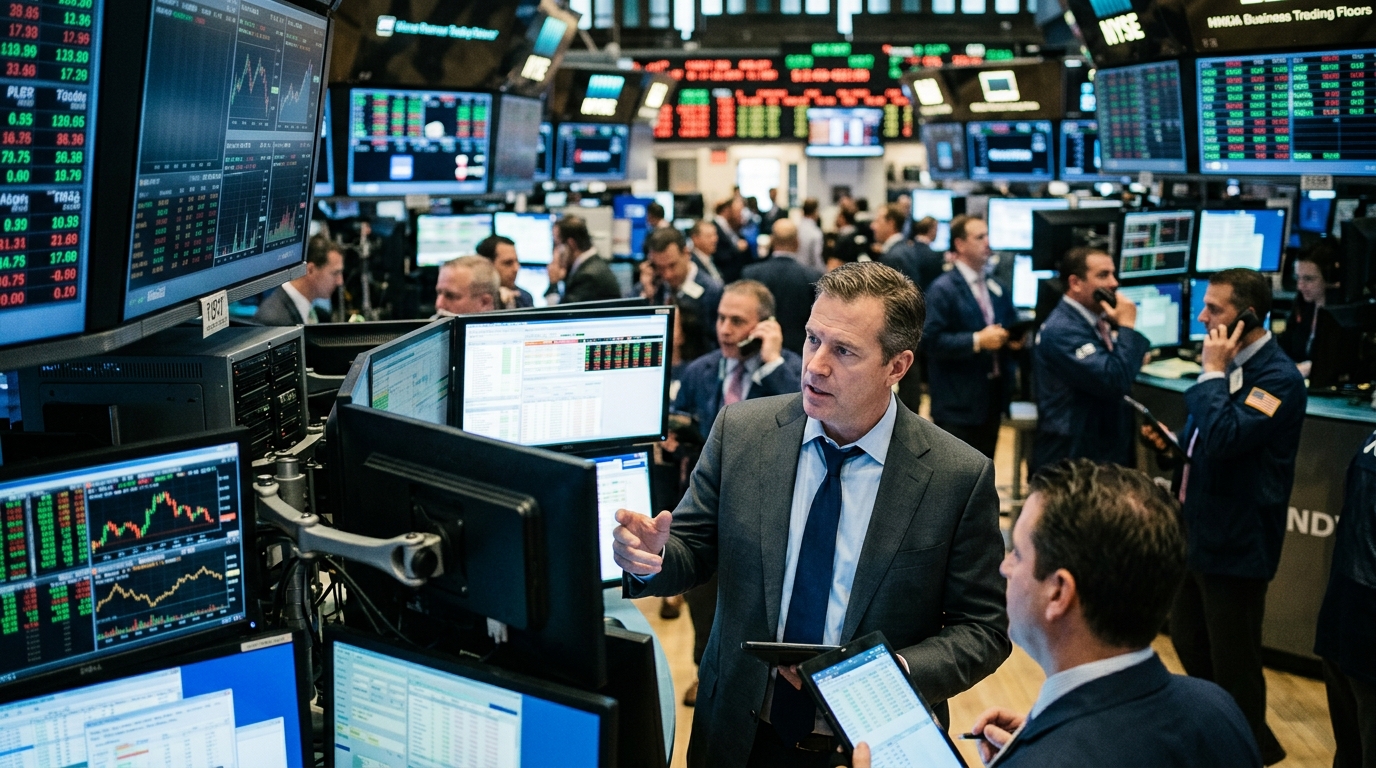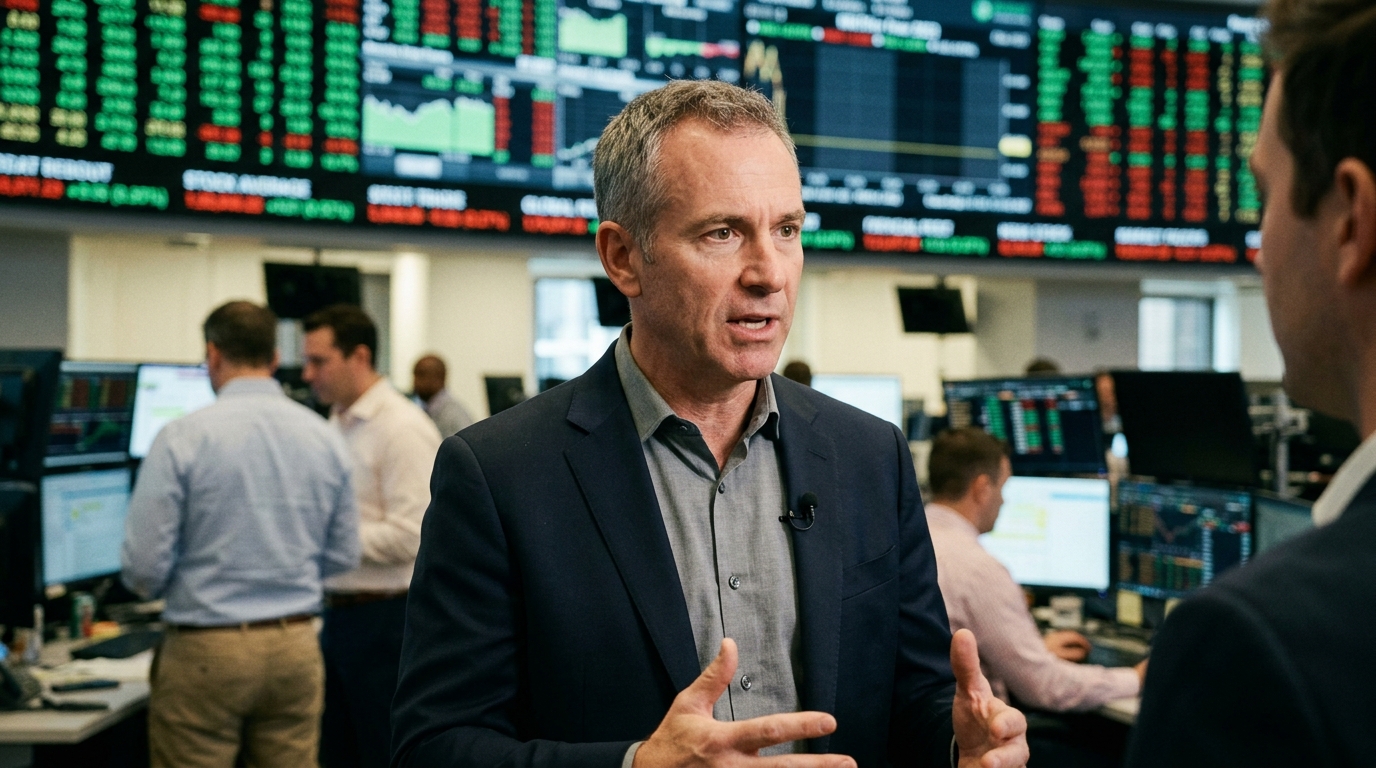
In the high-stakes world of financial technology, few names carry as much weight as Tom Sosnoff. The visionary who disrupted the brokerage industry with Thinkorswim and later Tastytrade is back with a new, provocative venture: LossDog. In a recent appearance on Bloomberg Tech’s “The Close,” Sosnoff detailed his vision for an AI-driven wealth platform designed to bridge the widening gap between institutional giants and the retail underdog.
The Philosophy of LossDog: Beyond Passive Investing
The name “LossDog” might sound counterintuitive in an industry obsessed with gains, but for Sosnoff, it represents a fundamental truth: successful trading is about managing the downside. Speaking with Romaine Bostick and Isabelle Lee, Sosnoff argued that the traditional wealth management model—predicated on passive index tracking and high fees—is increasingly obsolete in the age of artificial intelligence.
LossDog isn’t designed to be another generic robo-advisor. Instead, it aims to provide retail investors with the sophisticated tools typically reserved for hedge fund managers. By leveraging AI, the platform automates complex options strategies and risk management techniques. Sosnoff’s core thesis is that the retail trader doesn’t need a digital version of a 60/40 portfolio; they need a mechanical edge that allows them to participate in the market’s volatility with calculated precision.
AI as a Probability Engine
A key takeaway from Sosnoff’s Bloomberg interview is his pragmatic view of AI. Unlike many Silicon Valley optimists who claim AI can predict market movements, Sosnoff views the technology as a “probability engine.” He emphasizes that LossDog uses AI not to guess where a stock is going, but to process vast amounts of historical data to determine the mathematical likelihood of a trade’s success at any given moment.
“AI is exceptional at handling the ‘mechanics’ of a trade,” Sosnoff noted. By utilizing Large Language Models (LLMs) and proprietary algorithms, LossDog can translate complex quantitative data into actionable insights for users who may not have a background in advanced mathematics. This democratization of “quant” strategies is the platform’s primary value proposition. It shifts the focus from emotional decision-making to data-driven execution, effectively removing the psychological barriers that often lead retail traders to ruin.
The Retail Resurgence and the 2026 Landscape
The timing of LossDog’s launch is significant. As we move through 2026, the retail trading landscape has evolved far beyond the meme-stock frenzy of years past. Today’s individual investors are more informed, more tech-savvy, and increasingly skeptical of traditional financial institutions. Sosnoff is betting that this demographic is ready for a platform that treats them like professionals.
However, this shift brings regulatory scrutiny. The SEC and other global watchdogs are increasingly concerned about the “black box” nature of AI in finance. Critics argue that providing complex derivative tools to the masses could lead to systemic instability. Sosnoff counters this by highlighting the platform’s educational component. LossDog is designed to be transparent, showing users the Greeks, the probabilities, and the potential outcomes before a single dollar is committed. It’s about empowerment through education, not just execution.
Disrupting the Wealth Management Status Quo
The broader implications for the wealth management industry are profound. If platforms like LossDog can prove that AI-assisted active management outperforms traditional passive strategies over the long term, firms like Vanguard and BlackRock may face a significant challenge to their dominant models. The “disintermediation” of the financial advisor is no longer a distant threat; it is a current reality.
Sosnoff’s track record suggests that when he bets on a shift in market structure, the industry follows. With LossDog, he is doubling down on the idea that the individual, armed with the right technology, can compete with the largest institutions in the world. Whether the “LossDog” can truly become the “Top Dog” of retail finance remains to be seen, but the opening salvos of this AI revolution have clearly been fired.
In conclusion, LossDog represents a shift from AI as a novelty to AI as a foundational utility in finance. It challenges the notion that sophisticated investing must be boring or outsourced. As Sosnoff told Bloomberg, the goal is to make the retail trader “the most dangerous person in the room”—dangerous because they are informed, automated, and mathematically grounded.